New Fiction by J. Malcolm Garcia: Pleasantries

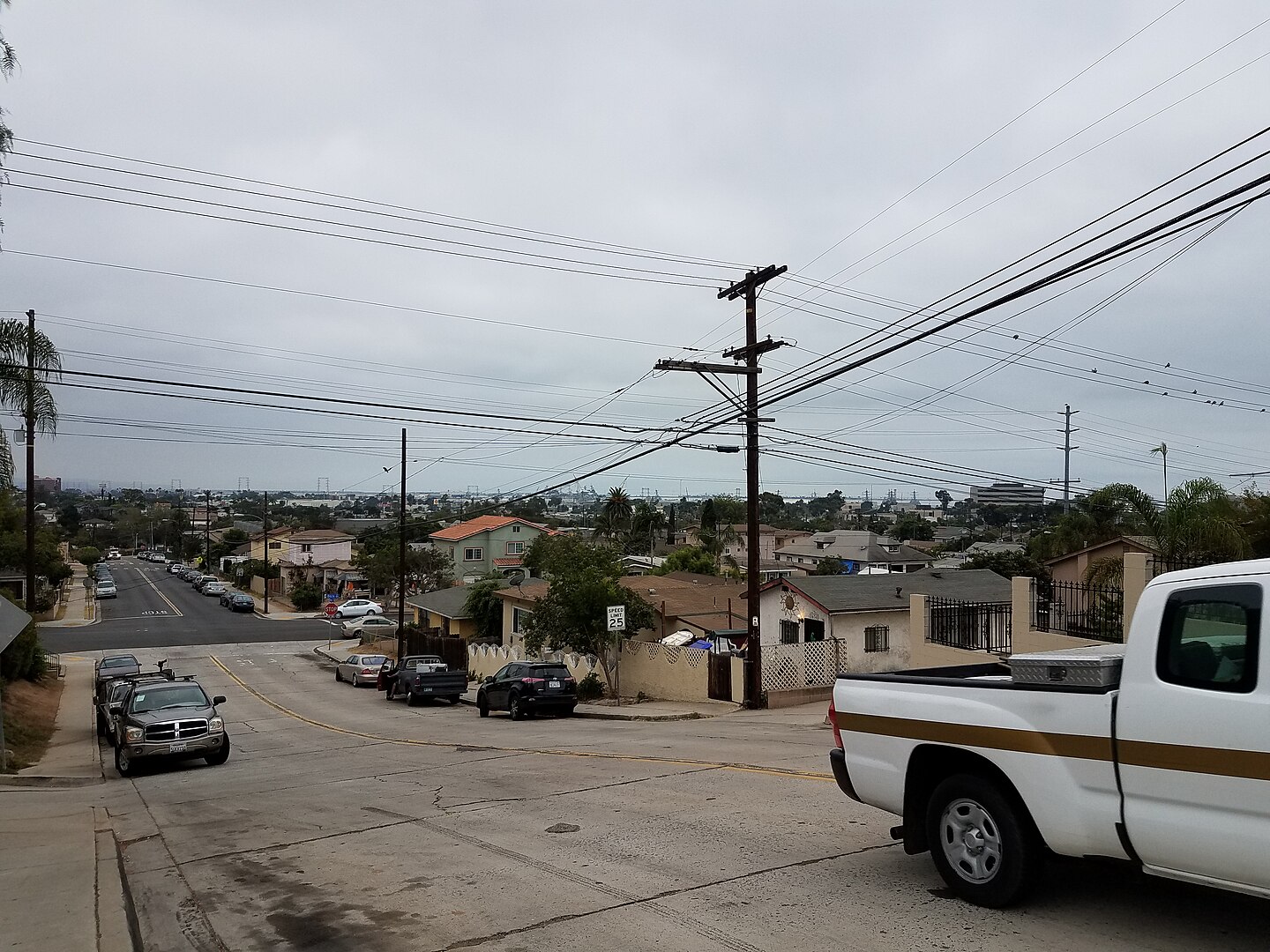
San Diego

Wasi couldnt sleep. He looked at the wall clock: four in the morning. He rubbed his stiff neck, wincing at a dull, persistent headache. He sat up in the dark, kicked off his blankets, stretched, and looked out the window to guess what the coming day would be like, sunny or cloudy, but he saw only stars, which he thought predicted a cloudless day. He listened to the rising chorus of birdsong as he felt the back of his head. The gauze bandage had come off in his sleep, and he touched a bare patch of warm skin and the tight line of ten stitches with the tips of his fingers. He was conscious of the wound, its need for protection. His naked scalp beneath the gauze, its exposure now with the gauze off. Healing will take time, the doctor had told him.

He walked into the bathroom, chips of paint from the water-stained ceiling sticking to his bare feet. He opened a drawer in the fractured vanity, pulled out a square piece of gauze, covered the stitches, and taped it as the nurse had done. Then he took two ibuprofen. Mindful of the doctors warning not to get the stitches wet, he washed his face and body with a washcloth instead of showering. He held a plastic baggie against the gauze with one hand to keep the wound dry while he shampooed and rinsed his hair. Glancing out the bathroom window, he noticed the stars had dimmed. Light frayed the farthest reaches of sky.

Coming into the kitchen, he adjusted the cracked blinds above the sink. He heated water for green tea, and put two slices of bread in the toaster. By the time he finished eating, the sun had risen, revealing a clear blue sky—just as he had thought—and he put on sunglasses and walked out of his apartment, pausing to put a mask over his nose and mouth. Shirts and pants hung over railings above him and he heard the voices of people from Syria and Iraq, who like him were refugees placed in the apartment complex by Interfaith Ministries of San Diego.

He opened a gate to the sidewalk and waited for a garbage truck to pass. It stopped and picked up a black trash bin with a mechanical arm, dumped its contents into the hopper behind the cab, and set it down. The noise bothered him. Wasi pressed a hand against his bandage to make sure it was secure and hurried across the street. A small dog yapped at him from behind a fence and its owner screamed at it, but the dog ignored her and the noise vibrated up Wasis spine until he thought he might burst. He clenched and opened his fists. The humid air weighed on him and fallen palm leaves, gray and dry on the sidewalk, broke underfoot and that noise, too, bothered him. 

He walked a few blocks into a neighborhood of single-story, ranch-style homes and noticed an elderly man sitting in his kitchen by an open window. The man waved. Wasi hesitated, and then waved back. In Kabul, he had done his best to avoid his neighbors. They would often stop and ask him what sort of work he did that took him from his home for weeks, sometimes months, at a time. Construction, he would answer. A company out of Dubai. It has a big project in Ghazni. He presumed some of his neighbors didn’t believe him, perhaps because they would overhear him speaking English when he received calls from the Americans at Bagram Air Base, and mention their suspicions to the Taliban. How else did the insurgents suspect him of being an interpreter? The pipe bomb he found outside his house one morning had malfunctioned, sparing him. He knew he had been lucky, but he also was certain he had been found out.

I see you every morning, the old man shouted.

I walk before I go to work, Wasi said. I drive for Lyft. Its good to walk because Ill be sitting most of the day.

Im stuck in the house because of COVID. 

Are you sick?

No. Just social distancing.

Wasi removed his sunglasses and mask to show his face and not be rude.

I used to have a lot of business at the airport but now it is too slow, he said.

COVID, the old man said.

Yes, Wasi said, COVID.

He knelt to tighten the laces on his left shoe. The old man watched him.

What happened to your head?

Wasi looked up and then returned his attention to his shoe.

Im sorry but I noticed the bandage. 

Accident, Wasi said, standing up.

I see. Something fell on you.

Yes, Wasi said. Something fell on me. 

Where are you from?

Why?

The old man shrugged and smiled.

Yours is not a Southern California accent. 

Does it matter?

Not at all. Im sorry if I upset you.

Afghanistan. I was an interpreter for U.S. forces but I had to leave. The Taliban found out about me and it became too dangerous for me.

I am sorry.

I miss my country. In Afghanistan, the Americans paid me seven hundred dollars a month. I thought that was so much money but here it is nothing. Where are you from?

Touché, the old man said and laughed. Im from here. I’ve lived in San Diego all my life. I’m retired now. My grandparents were Japanese. They emigrated from Japan to Hawaii, where my mother and father were born. When they married, my parents moved here. My grandparents spoke about Japan all the time.

The old man pushed up from his chair and stood.

Do you mind if I walk with you? I cant stay in the house all day, every day. My wife wants me to, but I cant just hate sitting here around.

Wasi shrugged. He preferred to be alone but he did not want to be impolite. He waited and put on his sunglasses and mask again. He recalled Kabul’s winters, when he would cover his nose and mouth with his hands to warm his face. He would stand still, watch his breath spread like gray smoke from between his fingers.

After a moment, the old man walked out the front door.  He paused on the porch and removed a mask from his pocket. Wasi pressed his bandage. He again felt the bump of stitches beneath the gauze and the warmth of the wound. The old man approached him, stopping a few feet away. 

Im Mark Sato, he said. Id shake your hand but we aren’t supposed to with the pandemic.

No problem, thank you. Wasi covered his heart with his right hand and bowed. Good morning. I am Wasi Turtughi.

Good morning, Mark said.

He put on his sunglasses and mask.

No one can see our faces, he said. We could be anybody.

Wasi started walking and Mark fell in behind him. Wasi listened to his steps, the steady pace of his shoes striking the pavement, and when he couldnt take it anymore he stopped and told Mark he would prefer to follow him. 

I think you walk faster than me.

I dont think so.

Please, Wasi said, waving him forward.

From time to time, Wasi and Mark got off the sidewalk to keep their distance from other pedestrians. They said hello, raised their hands, and some of those they met did the same while others hurried past or crossed to the other side of the street. When they reached the end of the street, Mark paused to decide which direction to take. I always go left, Wasi said. They began walking up a hill. A canyon of dry brush stood off to one side. Wasi leaned into the hill and stared into dry, rocky streambeds choked with weeds. Someone had used chalk to write, We Miss Seeing Our Neighbors and Smile This Will Be Over Soon, on the sidewalk. He stopped walking when Mark sat on a guardrail to catch his breath.

Do you always do this hill? Mark asked him. Its steep.

Every day, Wasi said. It reminds me of Kabul. Just a little. The mountains outside the city and the fields beneath them where wed fly kites and play fútbol.

Voices rose from the canyon. Three young men sauntered down one of the streambeds. They fanned out in a clearing and began throwing a Frisbee. They did not wear masks. They cursed without concern about who might hear them, mocking one another when one of them missed a catch. Wasi stiffened and felt his heart race. His breath got short and he couldnt move. Then he stood and told Mark he had to leave. Without waiting for an answer, he began walking back the way they had come. 

What is it? Mark asked, hurrying after him.

Wasi didnt answer. He pulled his mask down to his chin and wiped his face and sucked in air as if he had been holding his breath. He kept walking, finally stopping by a tree. A wrinkled, faded flyer with a picture of a lost cat hung nailed to the rough bark. Black and gray tabby. Whiskers. Call 619-874-2468 if you see her. Reward. Mark wheezed behind him. Leaning forward with his hands on his knees, he sucked in air.

What is it? he gasped.

I recognized those men, Wasi said, their voices. 

What about them?

I was walking last week, this walk, Wasi said. No one was around so I took off my mask. Id gone up and then down the hill. I followed a nice little side street. Then I heard people running behind me. I thought they were joggers. I moved over expecting them to go by and I started putting on my mask. They started shouting, You fucking Arab! and thats all I remember. I woke up in the hospital. A doctor told me I had been hit in the back of my head with something very hard, maybe a pipe or a bottle. I had a concussion.

Mark stared at his feet. He wanted to say, Im sorry, an automatic response he knew would mean nothing. But he was sorry, sorry and grateful that these same men had never assaulted him on those rare days when he left the house. They might have. Many people blamed China for the pandemic. They considered—more like accused—every Asian person of being Chinese. They were someone to hate. Mark knew they wouldn’t care that he was born in San Diego. He would be Chinese to them because they would need him to be.

Im sorry, he said finally, unable to think of anything better to say.

Afghans are not Arabs, Wasi said.

I’m sorry, Mark said again. Do you want to call the police?

No. I spoke to the police in the hospital. They said it would be difficult, too difficult to catch them without a witness because I did not see their faces.

I’m sorry.

I want to go home.

They began walking. It was hard for Mark to believe that such horrible people played Frisbee. Nothing was what it seemed. Poor Wasi. Mark felt bad for him while at the same time he could not escape a sense of relief that so far he had been spared.

When they reached his house, Mark stuck his arm out to shake Wasis hand and then stopped.

Sorry, he said. I always forget.

In Afghanistan, if we want something to happen, we say, Inshallah. It means, If God wills. Inshallah, these strange times will pass.

He covered his heart with his right hand, bowed, and said goodbye.

Mark watched him leave. Tomorrow, he would probably see Wasi again taking his daily walk. He would wave and say, Good morning, but he would keep his distance and not ask to join him. He did not want to catch Wasi’s bad luck. There would be no harm in saying hello, however, no harm in being pleasant.


New Nonfiction by J. Malcolm Garcia: And This Is No Matter What

Which of us is not forever a stranger and alone?
Thomas Wolfe


Grants Pass

Part One

Helen

The temperature on this Tuesday morning in Grants Pass, Oregon, is edging up to ninety degrees as Helen Cruz and Justin Wallace enter the J Street Camp. The cloudless sky is a glazed, pale blue. Not surprising weather for late August, Helen knows. She pulls a black wagon carrying sixty sack lunches and a shopping bag of plums provided by the St. Vincent de Paul Society, where she volunteers once a week to distribute food to the homeless people quartered here. Justin, a tall, corpulent forty-year-old with a shaved head, carries himself with the muscular stride that hints of his high school sports years, before his first psychotic episode. He takes a handful of sacks from the wagon and offers them to whomever he sees, squinting against a dust-laden wind blowing across the camp. Want a sandwich? he says in a nasal tone. Helen watches him. They were both homeless when they met in 2020 outside the BottleDrop, a recycling center frequented by homeless people on Rogue River Highway, across the street from where they live at a Pentecostal church, the Bethel Christian Center. The BottleDrop processes only 350 aluminum cans or bottles from any one person per day. That afternoon, Justin had many more than that. He recycled what he was allowed and then asked Helen to redeem the rest. When she came out, she handed him his money and they began to hang out.

She feels proud of him today. Normally, he doesn’t like to leave their room. Helen can’t imagine being in his head and dealing with whatever crazy thoughts are there. When they were homeless together, Justin would just walk and never stop until the soles of his shoes wore off, his feet bloody. He heard voices and strange sounds, saw faces he thought were ghosts. The meds he takes now have reduced the hallucinations but they knock him out and increase his appetite. He weighs more than 200 pounds. His lethargy drives her to distraction. She works cleaning houses and barely makes enough to support herself. She can’t continue providing for him and his cousin, thirty-four-year-old Jessica, who lives with them and their two dogs. Jessica doesn’t work, but she helps around the church and sometimes goes out with Helen to clean houses.

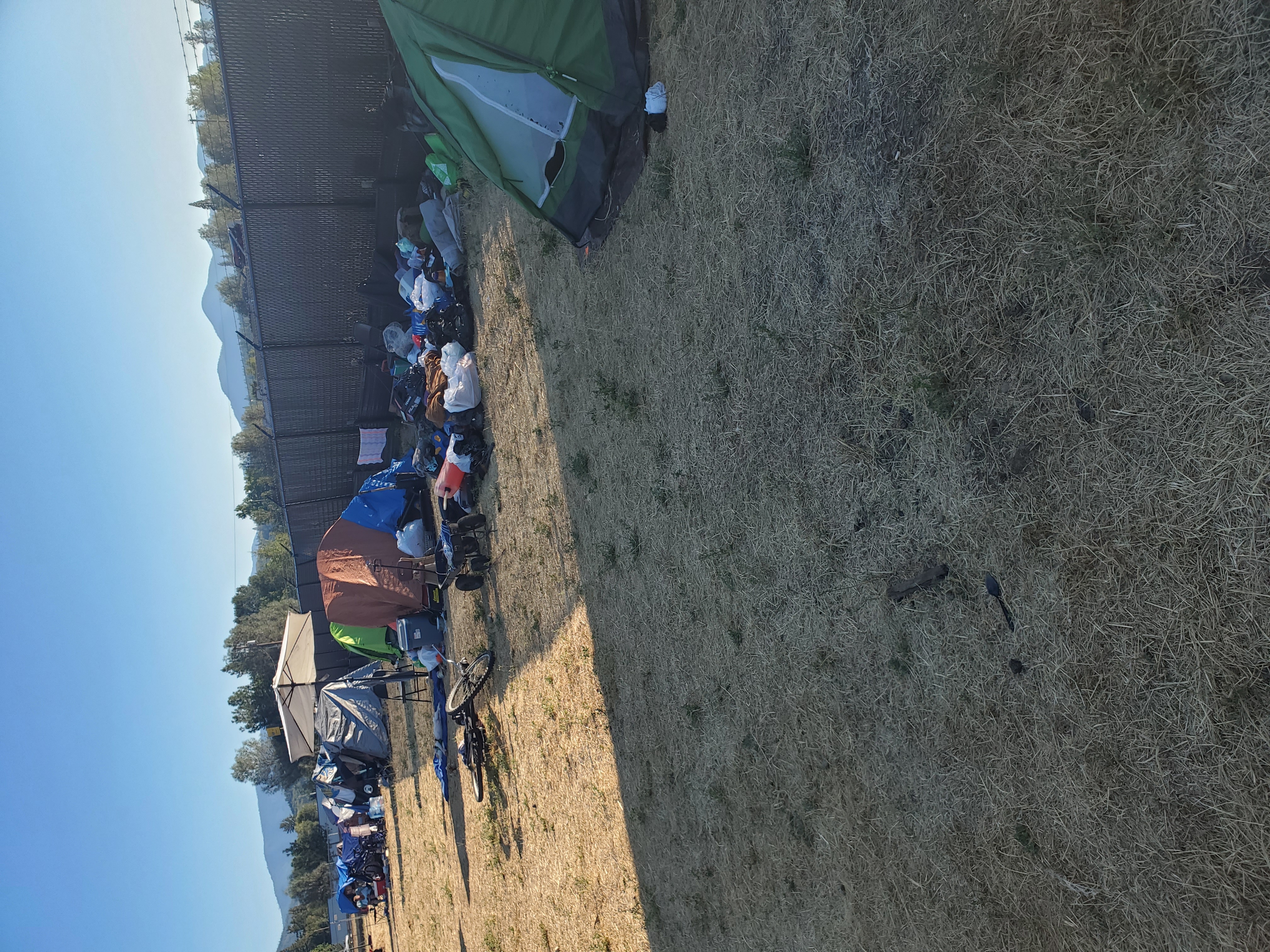
A woman shouts Helen’s name. Hi, hon, Helen yells back in a scratchy, sandpaper voice. She has a determined stride despite her bad knees. The wind tosses her thick brown hair. Her eyes sweep the camp. She notices the wire fence surrounding it. Only one way in. Isn’t that a fire hazard? she wonders. A lone police camera atop a pole surveys everything beneath it. Sun-bleached tents pitched on dead grass and stony ground rise above a turmoil of blankets, empty plastic water bottles, buckets, crates, bicycles, plastic bags, and whining puppies—the chaos of untethered lives holding onto scraps. Bits of burnt aluminum from fentanyl users. A dog nicknamed Fenty licks a scrap. A tall, lean man carefully rakes the ground outside his tent, a task he once might have taken for granted in the yard of a house he owned.

Helen notices that most of the tents stand against the fence. She gets that. A lot of these people have been in prison. They don’t want to be exposed and have someone walk up behind them. The fence covers their back. When she lived on the street she knew whom to be with, whom to trust, absolutely. Word of mouth. She knew. She approaches a man wearing a dusty pair of blue jeans slung low on his hips. No shirt, a patchwork of beard along his jaw and chin. Lean, deeply tanned, ribs showing. His fingers a roadmap of tobacco stains.

Are you guys hungry? I got sack lunches, Helen tells him. Ham and cheese.

Of course, thank you.

You’re very welcome. Got some plums here.

Heat hasn’t changed.

Supposed to cool off tomorrow, Helen says.

You know what we’re calling this place?

What?

The JCC. The J Street Concentration Camp.

Helen smirks. One of the wagon tires sinks into a hole and she jerks it forward. She wonders where she would pitch a tent here. By the fence like everyone else. She never wants to find out, but after this morning who knows? A blank slate of a man—a big dude with short hair and glasses—blew a hole in her day. He spoke to her in a steady, reedy voicethat revealed nothing more than the words coming out of his mouth, none of them good. Told her that she, Justin, and Jessica had to leave the church where they have worked as live-in caretakers for almost three years, and find other accommodations. The man, an overseer with the Pentecostal Church of God headquarters in Drain, Oregon, more than an hour north of Grants Pass, said church bylaws do not allow anyone other than the pastor to live on the property. The pastor, Thomas Moore, had made an error allowing them to stay, the man said. A hint of annoyance crept into his voice. Before he left, he told Helen to clear out an old stove and assorted plastic containers outside her room that Pastor Moore himself had asked her to put out for garbage pickup.

Helen watched the man drive off. She always understood that she, Justin, and Jessica couldn’t live in the church forever. Sooner or later she knew they’d have to leave, especially after Pastor Moore left to live with his new wife in her house fifty miles outside of town. They had met at the church earlier that summer. She sings in the choir. Neither one youngsters. Pastor Moore is seventy-three years old and his new wife is close to that. A widow, and then she met him. Married quick aware that at their age they had nothing to gain by waiting. Grinning and laughing all the time now like kids. A little too preoccupied, Helen imagines, to worry about her, Justin, and Jessica.

She doesn’t know what to do. Jessica has no one but a bunch of ex-boyfriends worth no more than the air they breathe. Justin has three daughters; one of them lives in an apartment near the church. One thousand dollars a month for a one-bedroom apartment. Her husband works, and she has a part time job. Car payments. Electricity and gas. It’s hard. They earn too much to receive food stamps but not enough to get by. They rely on the food bank. Maybe they’d take Justin in. Grants Pass has been home since Helen was a child but she can sense a change, and it sure feels like the city and now even the churches want the homeless out.

Situated in Josephine County in southern Oregon, Grants Pass is an eclectic mix of flag-waving conservatives and Black Lives Matter lawn-sign liberals. The lumber industry collapsed in the 1980s, and Grants Pass turned itself into a tourist destination for backpackers, anglers, and boating enthusiasts drawn to the Rogue River, a 215-mile waterway that cuts through town and is known for its salmon runs, whitewater rafting, and rugged scenery. Antique stores, coffee shops, fashionable clothing outlets, and trendy restaurants occupy refurbished brick buildings in the eighteen square blocks of the historic downtown.

Prosperity has come at a cost. According to Oregon Housing & Community Services, nearly twenty-nine percent of renters in Grants Pass spend over half of their income on housing, a situation classified as “severely rent-burdened.” A lack of affordable housing has contributed to the town’s homeless population, estimated to be about six hundred souls.

The relationship between Grants Pass and homeless people has seldom been better than strained. For years, residents complained of people sleeping on the street and, more recently, in the town’s seven parks. The drug addicted, in particular, intimidated families and made them feel unsafe in the parks. Compounding the problem, the city had no homeless shelter other than one faith-based program that prohibited nicotine, alcohol, and other drugs. In response to residents’ concerns, the City Council passed ordinances prohibiting people from sleeping outside in public using a blanket, pillow, or even a sheet of cardboard. The fine for a first offense was $295, which increased to $537.60 if not paid on time. Repeat violations could result in penalties of up to $1,200 and thirty days in jail.  Other sanctions included temporarily banning repeat offenders from the parks and a maximum of thirty days in jail for further violations.

In 2018, a lawyer representing a group of homeless people sued the city, asserting that the ordinances criminalized homelessness.  A federal judge found in favor of the plaintiffs, in part because the city had no shelter. The U.S. Court of Appeals for the Ninth Circuit, relying on its ruling in an Idaho case from 2018 that held that “the Eighth Amendment prohibits the imposition of criminal penalties for sitting, sleeping, or lying outside on public property for homeless individuals who cannot obtain shelter.” It affirmed part of the trial judge’s ruling and remanded the case. The city then appealed to the U.S. Supreme Court. In June 2024, the justices reversed the lower courts. In a 6-3 decision divided along ideological lines, Justice Neil Gorsuch wrote that the Eighth Amendment “serves many important functions, but it does not authorize federal judges” to “dictate this nation’s homelessness policy.”

Two months after that ruling, the Grants Pass City Council established two fenced sites for homeless people: a half-acre lot downtown near the police station and a one-acre parcel on J Street in an industrial section of the city slated for a water treatment plant. At first, the homeless were only allowed to stay at either camp for three days at a time but eventually that was extended to one week. Now the homeless rotate between the two camps every seven days for no stated reason other than to remind them, as if they needed reminding, that nothing permanent exists in their lives.

Neither site provides social services or any kind of supervision or support staff for the homeless residents, most of whom suffer from drug addiction, mental and physical disabilities, and other problems. If a homeless person doesn’t have a tent, they do without shelter.

Water? a man asks Helen.

She shakes her head.

I wish I had water. Grab some plums. They have water in them.

Thank you.

Helen hears the sound of unzipping tent flaps and sees tousled heads of hair emerge above worn, lined faces. Foam trays and cups being brushed aside. Eyes squinting in the bright light. Hands hauling out shoes from beneath heaps of dirty clothes. Dogs raising their heads, barking. Men and women stumbling past. Throats dry, fingers caressing crushed cigarettes to eke out one more puff. The sound of a porta potty door slamming shut. More dogs barking. Coughing, clearing of throats. Beyond the camp, a freeway emerges from a thinning haze, the swell of traffic, the moan of engines at rush hour. Angry words filled with condemnations issue forth through open car windows, get swept up in the backdraft, and descend faintly but fiercely: Find a fucking job!

Helen cocks her head, shrugs off their damning, pulls her wagon. A woman fusses among the tumult of discarded plastic bottles behind her tent, for what she can’t say. Something, she mutters. Helen offers her a sack lunch. The woman looks at her, the paper bag suspended between them like an offering, and starts to cry. Helen sets the bag down and holds her.

I know honey, she says. We’ll figure it out.

The woman sniffs, holds the sack against her chest. Helen walks on. The wagon wobbles on the uneven ground past tents and listing wheelchairs. She offers an elderly man a sandwich. He swipes at strands of thinning hair plastered against his forehead

If we tie our tents to the fence we’re in violation, he says.

Violation of what?

The rules, I guess. We’ll get cited. Can’t have anything attached to or on the fence.

Take some plums, sweetheart.

Helen moves on to the next tent and the next and the next, emptying the wagon. Justin walks up to her and takes the few remaining plums and offers them to anyone who catches his eye.

What do you have left? a man asks Helen.

Nothing. Justin is taking plums around.

I don’t know him.

Helen points in Justin’s direction.

There’s me, my girlfriend, and two kids, and I only got two sack lunches.

I’m sorry.

We stayed in the parks. My question is: Who would want kids here in this place?

There is no shade, no water, no nothing.

Yeah, Helen says. No tables to sit down at. Not enough bathrooms for all these people.

The man shakes his head. Justin walks over and offers him two plums. After the man takes them, Justin turns his palms up.

I have nothing more, he tells Helen.


Brock

Brock Spurgeon parks his green Jeep near the entrance to the J Street Camp, shuts off the ignition, and steps out.  Lean, muscular. Tile contractor. Owns his own business. His gray hair tied back in a short ponytail. Trim goatee. Straight posture. He considers the homeless people hanging out in cars outside the entrance. Men and women in the front and back seats amid a jumble of clothes. Smoking, watching Brock. He walks through the gate glancing down at the rock-strewn ground. He passes two porta potties. Clothes dry on the fence in violation of camp rules.  The woman who wept in Helen’s arms sorts through pants outside her tent. She talks as people walk around her, still conversing with herself but open for anyone to join in. A black-and-white dog with curly hair lies beside her panting. With every breath its ribs are visible. Tongue lolling, it observes Brock.

The trash, the needles, the pipes, the woman says. I’m a fenty but I clean up after myself. If my dog swallows one of those needles I’m going to kill somebody. I’ll go to prison over my dog dying.

She gives Brock a harried look, fingers her pants like she is searching for something.

This one kid—he’s gone now—he would just drop his needles.

One of the reasons I’m here. I’m looking for my son, Brock says.

Name?

Jack. Jack Spurgeon.

She shakes her head.

No, I have not seen Jack. I have not. Does he look like you?

Ah, maybe a little bit.

She faces Brock and studies his face.

I think I may have seen him. I didn’t know his name but I may have seen him once or twice.

They call him Drifter, Brock says. He’s thirty-nine.

Drifter, OK, I gotcha.

He’s got a girlfriend, so he has a place. If they’re not fighting, he’s with her.

Gotcha.

Brock has always seen homeless people in Grants Pass but he remembers seeing many more of them starting in 2021. He used to walk through the parks and find tinfoil and needles all over the ground. The same shit he’d find in Jack’s room. In or out of the house, Brock’s life was surrounded by this crap. He started collecting what he found in large, black trash bags because no one believed him. Needles just lying in the grass. City workers cleaned the parks but when Brock followed trails down to the Rogue River or walked under bridges—places a little kid might want to explore—he’d find drug paraphernalia everywhere. He spoke at City Council meetings but didn’t think anyone listened even when he showed them his bag of discarded drug gear. He got on Facebook and expressed his concerns. Brock bought a small body camera, positioned it above his left ear and walked through the parks among homeless people. Hey, how’s it going? he’d say, and take footage of drug use. He posted the videos on social media. Got a lot of traction. Brock developed a following that evolved into Park Watch, a volunteer group that began cleaning and patrolling the parks every Sunday. Park Watch also held rallies. Its members waved signs, Take Back Our Parks. Drivers honked, signaling their support. Now that the parks have been cleared, Brock thinks the city needs to distinguish the drug addicts from the homeless people who have problems unrelated to addiction. Got to help both groups but in two different ways. Addicts need treatment. The other homeless need a place to live and a job. He hopes this woman with the dog gets the assistance she needs.

Even though we’re in such close quarters and we can watch our stuff, people aren’t leaving their tents because people are so used to having to stay with their stuff so it doesn’t get stolen, she says. And that’s the problem now. People are in that rut of sitting with their things and not leaving to take care of business.

My son won’t put a Coke down in our house when he comes by even if he’s falling asleep.

Afraid someone will take it?

Yeah, Brock says. That’s why he sometimes sleeps standing up.

I don’t sleep a lot. I’m afraid someone will take my dog.

He looks at her kneeling on the ground surrounded by the ruin of her life.

Take care, he tells her.

He walks deeper into the camp. The sun bears down. He shakes his head at the lack of shade and no water. That’s crazy. The town has been so pissed off for so long about the homeless that they don’t want to give them anything. Why have anything for these people? Camps with shade and water? Hell, why don’t we just get them out of town?

You got to realize, Brock tells them, that many of the people who were in the parks are not bad people. They have mental health problems; some of them are veterans. How do you say they don’t deserve shade, water, and a place to stay? Brock once wanted people out of the parks just like most everyone else, but he doesn’t hate them. He feels he has flipped to the other side and become an advocate for the homeless. He’s like, Cool your jets, man. We got to treat people the way we want to be treated. Brock has a motto: Beat the drug, love the user.

He doubts Jack would stay at J Street. Maybe come by to see if anyone’s dealing but not stay. Jack has been doing drugs for almost twenty years. Brock hasn’t spoken to him in at least five months. They go through cycles. Brock and his wife try to help him. Then they feel they’re enabling him and pull back, and Jack gets mad and they stop talking to one another. But Brock knows Jack is out here. Somewhere.

A woman walks past Brock, gives him a hard look.

Oh, it’s you. Bully time, she says.

He doesn’t recognize her but assumes she has seen him in one of the parks. Perhaps he caught her on his camera or she saw him picking up trash and jotting down observations in his notebook. He chuckles, dismissing the comment. He has been called worse, a lot worse. He knows Park Watch makes addicts feel bad, embarrassed. He has no problem with that. They were in a public park doing drugs. Some people have accused Park Watch of being a vigilante group. Brock wrote a mission statement and gave it to the police chief to review. He had no problem with it. The chief introduced him to nonprofit groups that assisted the homeless. Brock installed a tile floor for one organization. He’s not against anyone. He and his wife have taken in many homeless people over the years; the average stay is about five months. Help them find a job and a place and move on. At one time they had a family of five. They were old friends and had moved to Grants Pass without a place to stay.

Brock wants to help people, but he also wants drugs off the street. He believes the two are not mutually exclusive. He believes unemployment and drugs drive people into homelessness and not necessarily in that order. He tells people, My son is homeless. He lives on the streets. But in a strict sense, he’s not homeless. He can return home anytime if he enters a drug program. He’d have a room and a full-time job with me tomorrow if he wanted it. Brock has given him work before. On paydays, Brock would give Jack fifty bucks and hold the rest so he wouldn’t blow it. But he always needed money. He could never wait two weeks for his check. Brock worried that if he paid him in full he’d never see him again. A contractor caught Jack nodding out one day. I can’t have him here, he told Brock.

Brock has allowed Jack back home a few times since he moved out at nineteen, but he always screws up. Police have removed him on several occasions because he got crazy. Did too many drugs, stayed up too many nights, lost his mind. Turned his room into a drug den. He had fifty bags full of garbage. Brock asked him, Why don’t you throw this crap away? There might be something good in them, Dad. Or, I lost something and it might be in one of the bags. But he was too messed up to sort through them. After he kicked Jack out, Brock cleaned his room in half an hour and found nothing worth keeping.

He sees guys walking around like zombies and wonders how many other fathers and mothers suffer like him and his wife. How many people on the street would have a home if they stopped using? Parents contact him through Facebook and ask him to look for their kids. They think they might be in Grants Pass. They send him photos of smiling, good-looking kids—images from another time. Please, let us know. He found one young woman. Her parents were thrilled she was alive. He knows that feeling.

Jack doesn’t want to quit using drugs or can’t. Get some rehab, Brock tells him. Ain’t going to happen, Dad. Fentanyl, meth, alcohol, Jack uses all of it.  Benzodiazepine, an antidepressant, affected him worse than anything else he tried. Just wiped him out. Brock can’t deal with him when uses that.

Brocks wipes his forehead. The din of heavy machinery from Copeland Sand & Gravel, a paving company next door, interrupts the noise of freeway traffic, and a man from R&M Lumber Sales across the street shouts at someone driving into the business’s lot, their possessions piled on the car’s roof, You can’t park here! A Home Depot stands on a hill above the camp and customers amble in and out oblivious of the men and women below. Mountains covered with fir trees rise behind it like a painting on a postcard. Brock watches a man kneeling outside an orange tent sorting through a shoulder pack. He recognizes him as someone who has attended City Council meetings. During public comments, this man urged the council members to visit the camps and meet the people staying there to understand their problems. Brock approaches him.

Good morning, Brock says. I’ve seen you at City Hall.

The man glances at him.

Get a job! someone yells from the freeway.

The man turns in the direction of the shout and then turns back to Brock.

We deal with that all day long, the man says. People screaming obscenities.

He stands and brushes his hands against his red plaid shirt and blue jeans. He has a goatee tied into a braid. His hair falls to his shoulders.

My son is out here, Brock says. They call him Drifter. And he told me once how much it hurts, the insults. Junkie and other names.

More shouting from the freeway, the words indistinguishable.

Water off a duck’s back, the man says. Takes a toll on some folks. I’ve had a bunch of death threats. So that’s why I don’t share my name. I go by a street name, Lion Heart.

Brock nods. Dogs start barking and two people scream at them to shut up. Men and women sitting outside their tents follow the commotion.

At the beginning, Brock says, everyone was pissed off. Now that we’ve cleared the parks, we should see how we can help. We can’t disappear people. Drugs get in you, it’s like a little devil in their head. It tells them they don’t need rehab. My son, the only time he comes close to stopping is when he’s been in jail one month to three months.

Lion Heart doesn’t comment. Brock hopes Jack will get hauled into jail again. He becomes a different person then. Coherent. Gets released and tries to stay straight. Brock can work him eight hours a day but not twenty-four hours. When Jack gets time on his hands, that’s it.

There’s nothing to distract my son after work, Brock says. I’m a tile contractor.

Cool, Lion Heart says, I worked in the trades. A lot of years.

Keeps me out of trouble, Brock says. I know the allure. I did drugs.

I didn’t, Lion Heart says.  I had cancer for ten years. Chemo.

Better now?

Still living with it.

Brock looks at the haggard faces peering at him and Lion Heart from nearby tents. As a boy, Jack hung out with about half a dozen kids who experimented with OxyContin. They got torn up on it and went straight to heroin when the original Oxy formulation was taken off the market. High school friends. All of them went off the rails.

They came out of the shadows when they came to the parks. Creepy people and nice people. Addicts and nonaddicts.  People like my son, he’s choosing this life. I have a full-time job for him and a home if he goes to rehab.

Lion Heart looks at the ground, tugs at his goatee. He offers Brock an enigmatic smile.

Begs the question doesn’t it? he says. Choosing. Delve deep enough, you might find something that happened.


Helen

Helen and Justin leave the J Street Camp in her battered, blue Toyota Corolla. Pastor Moore gave it to her when they moved into the church in 2021. She owned a Mitsubishi Eclipse at the time, small as a Smart car that a former employer had given to her. It had no functioning brakes other than the handbrake. When she and Justin were homeless, Pastor Moore let her park at the church because the registration had expired, and Helen worried the car would get towed if she left it on the street. You can’t be driving that, Pastor Moore told her after he saw its condition. He insisted she take the Corolla. He preferred driving his pickup and didn’t need it. The Corolla wasn’t in much better shape than the Eclipse, but the brakes worked.

Helen and Justin camped behind the church with half a dozen other homeless people Pastor Moore had allowed to stay on the property. Garbage began to accumulate: discarded cans, bottles, fast-food cartons, and soiled clothes. Helen and Justin took it upon themselves to clean it up. They carted five loads of trash to the dump. Tired of the mess, Pastor Moore asked everyone but Helen and Justin to leave. He offered them the use of a small room in back of the church in exchange for maintaining the property. He didn’t object when Jessica moved in. The cramped quarters barely contain the three of them and the dogs. Helen and Justin share a bed; Jessica sleeps on a cot by the door among a loosely organized pile of clothes, coats, shoulder packs, fans, sleeping bags, and bathroom supplies.

When Helen was homeless she acquired what people discarded: shirts, sweaters, shoes. Each little thing had its uses. If not for her, for someone else she knew. Even though she has a place to stay and enough clothes, she has trouble restraining herself from picking up odds and ends. Can I use this? Yeah, yeah, I can use it and at the same time she thinks, No, no, I don’t need it. Old habits, survival instincts, Helen doesn’t know the reason but she continues to collect stuff.


Justin

As a boy, Justin suffered a lot of head injuries, the first one when he was four years old. He ran out of a mobile home through a door where there were no steps and smacked his head on the concrete. His mishaps didn’t stop him from playing sports. Baseball, wrestling, football. Justin could do them all. He especially loved baseball. He was a left-handed pitcher, a southpaw, but then his mind snapped. At sixteen he suffered a panic attack at a carnival. He saw dragons rising out of the sky and freaked out. Doctors diagnosed him with agoraphobia, schizophrenia, bipolar and paranoid personality disorders. Medications helped but often left him feeling apathetic and somnolent.

He dropped out of school and didn’t do anything for about two years until he met a girl and got her pregnant. He earned his GED and attended Rogue Community College but didn’t graduate. He drank, used meth, and sold pot. He split up with his girlfriend, started seeing another woman and got married. They had two daughters but they divorced over his drug use. His family didn’t tolerate it either, and he began couch surfing from party house to party house. He was in and out of jail for drugs and parole violations. After he met Helen, he joined her on Devil’s Slide, a mountain on the outskirts of town above G Street. They shared a two-room tent. No one messed with them. Justin maintained the camp. He still used drugs but not as much. He built an outhouse, an accomplishment he still takes pride in. He had purpose on the mountain; there was always something to do. He doesn’t have purpose now. Maybe it’s the meds. He prefers to be left alone.

He has considered applying for a job at a gas station. Self-service gas pumps are not universal in Oregon. Pumping gas isn’t hard and he wouldn’t have to talk to people much. He should receive disability but he can’t figure out the paperwork. Even his doctor says he’s eligible. Justin thinks he should help him. He knows he gets on Helen’s nerves and feels bad about it. His brain tells him to help her around the church, but his body doesn’t respond. He lies on their bed like a turtle on its back with no desire to get up. He understands a man told Helen they have to move. He knows he has to do something.


Helen

Before they began staying at the church, Helen and Justin lived in Morrison Park, a few blocks away by some tennis courts. A city ordinance allowed camping in one spot for up to seventy-two hours in public spaces. Violators were ticketed. Helen figures she has close to $5,000 in fines. She has received letters threatening her with jail if she doesn’t pay. No way she can come up with that kind of money. She earns about $800 a month cleaning houses. Her pay varies from week to week depending on the number of houses she cleans. One elderly woman, Miss Sandy, pays her fifty dollars for two hours of work every other week. She has another client who pays her about $120 for four hours of work twice a week. This client owns a big house, more like a farm, really, that’s home to five German shepherds, two alpacas, five tortoises, five chickens, and one sheep. It amazes Helen how people spend their money, but the woman always has work. Yeah, come over, Helen, she’ll say. I got this, this and this to be done. Helen enjoys cleaning. She’s good at it. Doesn’t pay much but she doesn’t need much living at the church. She was never one of those nine-to-five people, and she doesn’t want to be an average person doing an average job that they hate. Not a burger flipper, for sure. She couldn’t even work for her mother, an assistant manager at a Wendy’s restaurant back in the day. Helen took orders at the drive-through window but she didn’t have the temperament for rude people, and when someone gave her grief she returned it in kind. Her mother fired her.

That’s it, Helen, she said. Go home.

Helen wants her own house. Maybe when Grants Pass builds affordable housing. Yeah, right. She can dream. Pastor Moore will vouch for her with the church hierarchy, she feels sure. Maybe they’ll change their minds and let her stay. Pastor Moore loves her cooking. She caught him in the kitchen one night eating black-eyed peas and Vienna sausages from a frying pan and still hasn’t gotten over the shock. Oh my God, that’s not going to happen, she said. You gotta eat better’n that. She made him a camp breakfast and now he wants it all the time. Nothing complicated: Bacon or sausage mixed with onions, tomatoes, and potatoes. Fry it all up in a cast iron pan, crack two or three eggs on top of it and mix. Her friend, Miss Colleen, used to make it every Fourth of July. They’ve known each other for years. Helen attended the same school as Jesse Firestone, the older of Miss Colleen’s two sons. She was a dietary cook at an old folks home for the longest time and can be a real kick in the pants. Helen first met her when she was hanging out with Jesse and his friends after school. Don’t call me mom, aunt, or grandma because you’re not kin, she told Helen. OK, Miss Colleen, Helen said, and to this day she has never called her anything else.

Miss Colleen’s husband, Howard, worked as a logger. Helen would help him clean around the house after work. He had a heart attack about three years back. Helen found him slumped in his recliner, car keys in hand, holding the phone, a 911 operator on the other end, but he couldn’t talk. Helen shouted, He needs an ambulance. Howard rolled out of the chair to the floor. Helen started CPR, then watched the light go out of his eyes. An ambulance arrived forty-five minutes after he died.

If she must move, Helen knows Miss Colleen would help her. She stayed with her before when she needed a break from the streets. Miss Colleen has her own life, and Helen doesn’t want to impose more than she already has. But what about Justin and Jessica? Where would they live?


Laura

Laura parks outside the gate of the J Street Camp and reaches for her cane. She has lived in her 2012 Subaru in Riverside Park in the heart of the city since her husband, Michael, died in 2021 of a pulmonary embolism. They met over a pool game. Laura can play some pool.

As long as she remains in her Subaru and doesn’t camp, the police don’t bother her.  She parks near a boat ramp. It’s hot enough today that she might float on the river in an inner tube. Hate to do it alone. Last time she floated, she stayed in the water until eight o’clock at night. Started at Hog Creek and got out before she reached Cove Creek. Rough water after that. Class II, III rapids.

A disorganized mass of clothes and boxes fills her vehicle, cartons of photos and old jewelry she collected over the years too. Whatever memories she has left from living in a house are buried somewhere in the backseat.

She gets out of the Subaru. Her knees ache. She wears a sweat-stained floor-length, tan dress. Her hair is pulled back in an uneven ponytail. Sandals on her swollen feet. She leans heavily on the cane, shuffles forward, moving inches at a time. The gravel does not make for easy walking. Volunteers with the Mobile Integrative Navigation Team, a nonprofit that assists the homeless,  have collected in the center of the camp to serve coffee and scrambled eggs. Boxes of fruit and bread sit on the tailgate of a pickup for people to sort through.

Hi Laura, says a woman serving coffee and juice.

I know you, Laura says. Eileen?

Right. How’s everything?

OK.

Yeah?

Up and down on the normal homeless rollercoaster.

What can I get you?

Coffee and a little bit of juice.

Okey dokey.

Laura points to a can of V8 juice and Eileen gives it to her with a cup of coffee. The other night Laura had wondered, What can I do for dinner? She had bruschetta from the food bank. She drove to Safeway and got one bell pepper, one onion, one tomato, and a packet of provolone cheese. She diced and sautéed the onions and peppers with a big chunk of provolone cheese and cooked it all up until it was crispy. Took hoagy rolls and put some butter and Italian seasoning and parmesan cheese and grilled them on a Coleman stove. Put some canned meat over that. Not supposed to cook outside. One girl blew up her tent with propane. Laura was terrified she might get caught, but it was a good meal.

She steps away from the coffee line for the egg line. She looks over the heads of the men and women, listens to the noise coming off the freeway. Grants Pass has changed dramatically since she was a child. It was much more rural then. She couldn’t ride her bicycle on her family’s gravel driveway. Couldn’t roller skate or use a skateboard except on the road because there were no sidewalks where she lived.

She was born in Sonoma, California, to parents who were Jehovah’s Witnesses. Two families they knew moved to Grants Pass when she was a toddler. One night her father came home and said to her mother, Come on Barbara, get the kids, we’re going for a drive. Dick, where are we going? her mother asked. He didn’t answer, or at least Laura didn’t hear him. They got in the car and drove until dark. They stopped at a McDonald’s for dinner and continued driving. More than five hours later they arrived in Grants Pass and stayed with one of the families that had moved before them. They remained for the weekend, just long for her parents to find a house, and then returned to Sonoma. They sold their home and settled in Grants Pass. Her father started a roofing business. When jobs became scarce he would return to California and work with his brother at Cascade Natural Gas Company, a job he had held before.

Laura used to think she had a terrible life. Because of her parents’ religious beliefs, they did not celebrate birthdays or most holidays. Oh, if only her life now was so simple that those things were her only disappointments. She and Michael had been married almost twenty-eight years. He could be pretty self-involved. He was a carpenter and obsessed about work. He fixated on his truck and his tools. Laura should have died before him. Overweight, a smoker, high blood pressure, diabetes. Michael was healthy. She had been a stay-at-home mom, taking care of the three children, two of whom had different fathers from previous relationships. The kids grew up, moved out, and the plan had been for Laura and Michael to focus on themselves. Their marriage was off-and-on rocky like any couple after decades of being together, but nobody lives with someone as long as she lived with Michael and not remain in love with them in some way. They never fought, raised their voices or disagreed in the first years of their marriage but drugs got in the way. Michael used meth and liked to drink. He also gambled. Laura gambled too, playing pool, and they both lost money.

Despite their problems she assumed they’d grow old and sit on the porch and watch the cars go by. She never thought he’d die and she would need to support herself. Laura has looked for work but suffers from anxiety and depression and a host of health issues. When doctors diagnosed her with diabetes, they took her off the anti-inflammatory drugs she used to dull the pain in her knees. She spent two months in a hospital with pneumonia and upper GI problems. When a potential employer sees her with a cane or a walker, they question her abilities. Can you sweep this facility, mop the floor? She knows little about computers and doesn’t type. Makes finding a job tough.

Would you like scrambled eggs? a woman asks Laura.

Yes, please.

Salsa on the eggs?

Yes, please.

Good idea to bring salsa, a man says behind her. Sometimes she has avocado.

I know, Laura says and smiles. Once I get money, I’ll get ice and an ice chest. Keep what I don’t finish covered with foil and ice. I buy ice every day when I can.

That sounds right, the man says.

The woman fills a clear plastic cup with scrambled eggs, tops it off with salsa, and gives it to Laura. She stuffs a plastic bag with two loaves of bread, fresh peaches, and a box of cereal. Laura reaches for that with her free hand. She holds the cup of eggs in her other hand and begins the long, slow shuffle back to her car, leaning on her cane, the bag dangling at her side, bouncing off her left leg as she moves.

After Michael died, Laura had no place to live. The house they shared belonged to his grandmother. She had left the house to his brother, Steven, when she died. As long as Michael was alive, Steven never laid claim to the house. He was unemployed and Michael provided for him. But when Michael died, Steven told Laura to pack her things and move out. Her parents wanted nothing to do with her because she smoked and gambled. She found refuge in her car.

Her three grown children know she lives on the street. Jeez, mom, her oldest daughter told her, I’ve been down and out too. Get over it. Just find a job. That stung. She ran into a friend of Michael’s the other day, Merl. They had worked together. Merl married and divorced. Now he’s dating his ex-wife again. Go figure. After Michael died, Merl told Laura, If you need anything just call. She thinks he doesn’t understand her circumstances, or if he does he has chosen not to ask questions. Friends treat her like a leper. She avoids people she once knew.

Laura reaches her car and leans on the hood to catch her breath. Her knees pulse with pain. She opens the door and backs in plopping down in the driver’s seat. Swings one leg in and then the other. She places the cup of eggs on the dashboard and hefts the bag onto the littered passenger seat. As she closes the door, she notices a skinny young woman in a torn yellow blouse and blue jeans, her dirty blond hair sprouting off her head like a fern.

Hi Baby Girl, How are you? How’s your mom?

Baby Girl turns, scrutinizes Laura and then smiles, exposing a row of fragmented teeth.

Hey, Momma Bear. I haven’t talked to her.

Young people call Laura by the nickname Momma Bear. She provides for them. She gives them food and offers bandages for their cuts and scrapes. She carries Narcan in case one of them OD’s.

Well, if you do see her, say I said hello.

Laura used to babysit Baby Girl. Laura had attended school with Baby Girl’s mother, who had mental health problems that weren’t recognized when Laura knew her. Bipolar, schizophrenia, something like that. Laura isn’t entirely sure, just remembers her being a little off. And then about twelve months ago, maybe longer, she ran into Baby Girl. Addicted to fentanyl. Used to be three times her current size. Lost a baby, Laura isn’t sure when. Just thirty-four years old. Has mental health issues like her mother, like ninety-nine percent of the people out here. Like herself.

Are you staying here? Laura asks.

I don’t stay here, fuck that, Baby Girl says. Things have to change in this town. It’s a prison here.

A police cruiser passes them and parks outside the camp.

There’s a cop, Laura says. I can’t have him see me behind the wheel. My driver’s license expired. I have to take the test again.

Baby Girl watches the cop get out of his vehicle and walk into the camp.

I got to go, Baby Girl says.

OK, honey. Me too.

Laura starts the car. She wants to live on her own again. She wants a kitchen and a bathroom and a bedroom. Not being able to cook, not having responsibility and pride in her own home drives her to distraction. Too reliant on strangers for everything. Being homeless isn’t living on your own.


Missing Persons


Part Two

Helen

Helen parks at the church. Shadows extend down the walls as the day settles into afternoon. A placard above the front door reads, Expect a Miracle. She opens a gate, drives through, stops and closes the gate. Justin gets out and goes to their room. Helen walks to the kitchen to see what she has to make pizza for dinner. Justin complains about his weight and blames her for cooking too much fattening food. Well, don’t eat it, she tells him.

She checks the refrigerator. Pork sausage, mushrooms. Good pizza toppings. She pours a glass of water and looks out the window. Hot as it is doesn’t make her forget winter will be along soon.  When it snows, the mountains will turn white as sheets. Wait five minutes, and the snow will become rain. No telling how long winter will last. She has seen it snow in July. Crazy weather.

The snow can be so wet and heavy it collapses tents. Very, very cold, a penetrating cold, but when she was homeless Helen figured out a way to stay warm. Take a roll of toilet paper, soak it with rubbing alcohol, set it in a coffee can, light it, and it’s a heater. Cops caught on and that too became illegal. Anyone found burning anything received a ticket.

She learned to survive as a child. She was born in Granada Hills, California, and grew up with two siblings, an older sister, Dawn, and a younger brother, John. Dawn had guts. Or maybe just  a mind of her own. She’d sneak out of the house, and didn’t care about the consequences—and there were consequences. Their father didn’t think anything of smacking them around if they got out of line. Helen ran into Dawn three weeks ago. She had an opportunity to stay at the church but she was on fentanyl and not interested.

Their mother supported the family. She worked, fed them, kept money coming in, and made sure they had what was necessary. Her father held jobs here and there as kind of a shade tree  mechanic. He took work when it came to him but didn’t break a sweat looking for it. He didn’t like to pay rent and he would pack his family up before the landlord came to collect. Helen always knew it was moving time when her father backed the station wagon up to the front door. Time to go. He handled the stereo and his collection of Johnny Cash, Merle Haggard, and Waylon Jennings albums, in addition to at least 500 other records. Her mother stuffed bags with clothes.

Both parents drank. A kid’s birthday party provided an opportunity for the grownups to get drunk and fight. A birthday cake, balloons, and a knock-down-drag-out. Helen, Dawn, John, and their friends would flee to the bedroom. One time her father fell against the door and it collapsed on top of them. The next morning, they crept out to survey the damage. Will today be like yesterday? they wondered. They cleaned up broken glass and chairs and ignored the bruised faces of their parents.

One morning after a night of drinking, Helen’s mother and father picked up where they had left off and laid into each other with all the hungover fury they could summon. Her father stormed outside to the car, swiping glasses off of a table and against a wall on his way out. Shards of glass struck Helen’s mother. When she realized she was bleeding, she started screaming. Helen’s father heard her and got out of the car without applying the parking brake. The car rolled against the house breaking the porch. That was in Van Nuys, California.

Helen never roused her parents after they passed out, but she broke up their fights. They’d be thick in the middle of it, and she had to decide which parent to block, pissing them off even more. Who’s side are you on? Oh, you’re daddy’s little girl? Oh, you’re your momma’s girl? Fine, you go with your momma. Fine, you go with your daddy. Helen didn’t want to go with either one of them. She didn’t want to go anywhere. She just wanted them to stop fighting.

She learned that “I don’t know” was not an acceptable answer to a question. It resulted in a slap to the mouth. Why didn’t you put the dishes away? I don’t know. Slap. Where’re my shoes? I don’t know. Slap. What did you say? I don’t know. Slap.

When Helen was four, they left California for good and headed north to Grants Pass where Helen’s mother had family. Only 14,000 people lived there in those days. Friendly. No one locked their doors. Helen liked to ride her bike to Rogue Community College and wander around the campus. Her father and mother told her not to go that far but she didn’t listen. One night, her father took her bike and threw it on the roof. When she really pissed him off, he’d grab by her hair.

The first time she slept with a boy, Helen got pregnant. Her sweet sixteen birthday party was a baby shower. She gave birth to a son, Michael. Her father at the time had been busted for burglary and other charges and sentenced to ten years in prison. After his conviction, the family lost their rental and Helen lived with her mother in a trailer on Redwood Highway. In 1997, her mother was struck by a car walking home from a bar, the Pine Tree Tavern, and died. Helen was twenty-three. Her world crashed. The loss of her mother unmoored her. She had been the foundation of the family. Helen blamed her death on her father. Had he been home instead of in prison, she thought, her mother never would have gone out that night.

Helen grieved. She started drinking and got into meth. She didn’t have a job and could not afford the trailer. She gave up custody of Michael to his father and bounced from couch to couch. She and a boyfriend eventually quit Grants Pass for Wyoming, where her father had moved to join members of his family. Helen’s boyfriend drove trucks for oil rigs and left her alone for days at a time. After three years, she broke up with him when he started cheating on her. Told her father she was leaving for Oregon. A few days later, she showed up on Miss Colleen’s porch.

The bottle became her best friend. Booze put her in the hospital when she began vomiting blood. She was hospitalized a second time in 2016 when she broke her right foot riding a bicycle and developed an infection. Her boyfriend at the time never visited her. You’ve left me with just the clothes on my back, she told him over the phone. Well, that’s a start, he said.

When the hospital discharged her, she had nowhere to go. A drug charge had put her brother in prison, and Dawn was using meth and living on the street. She offered Helen a tarp. Here you go, she said. There’s a tree. Helen had no idea what to do. She put the tarp on the ground and rolled up in it like a burrito and lived under that tree for a year. Food banks provided her with meals, blankets, and other survival gear. She owned one backpack and filled it with two pairs of jeans, two sweatshirts, a lot of socks, one pair of shoes, two T-shirts, and blankets. Carried it with her wherever she went. Always stocked up on toilet paper and feminine hygiene supplies.


Jessica

Jessica knows Helen is making a pizza but she isn’t hungry. Doesn’t eat much, sleeps less. Doesn’t sleep for crap. Most nights she walks to Morrison Park around midnight and smokes pot. She has been clean for three, maybe four months. Hates it. Hates being off meth and heroin. Drinks here and there. She has a lot of stuff in her mental closet, and it all comes out when she’s not using drugs, making her sick. She has dizzy spells and blackouts. She should take meds for schizophrenia, anxiety, depression, and bipolar disorder but she won’t because she can’t function on them, can’t move. Her brain screams, Get up! but she can’t. She doesn’t think they work right, but without them, without meth and heroin, without something, her memories run riot, painful stuff, all these tormenting thoughts tripping and tumbling inside her head, jabbing her brain like little thorns, and when she tries to verbalize them, the words spill out of her mouth with the speed of an auctioneer and no one understands her.

Honey, Helen always tells her, slow down.

I’m sorry, I’m sorry, I’m sorry, I’m …

Honey, Helen says, it’s OK. Just slow down.

Jessica remembers looking for her dealer one day when she was still using. He wasn’t around and she started getting sick from withdrawal. She crouched behind a dumpster, shaking. Some lady found her and took her home for the night. She had a daughter in college and gave Jessica some of her clothes. Weren’t her size but close enough, and then she drove her back to her mother’s house. She and Jessica’s father had split up by then and she had a boyfriend. When he saw the shape she was in, he got her a fix.

She got into drugs after the uncle of a cousin raped her—and not just once—when she was twelve. She was out with her younger sister and he threw her in the back of his car. Your mom wanted me to pick you up, he said, and he took off and left her sister behind. She told her cousin and broke down crying and he said he wouldn’t mention it, but he lied and told her mother and she then told just about everybody she knew. Some members of the family, aunts and other uncles, accused her of lying. Her father wouldn’t look at her. Like she had done something wrong. She ran away for the first time after that. She went out one weekend and didn’t go back home. Walked to Riverside Park and slept in a tunnel slide on the children’s playground. A lady came by and asked if she was OK.  Jessica fibbed and said her parents knew where she was. The lady came by the next day to feed the ducks. She saw Jessica had on the same clothes as the day before and got worried and called the police. They took her home, and she ran away again. Her friends were like,  Hey look out for the cops. She wasn’t worried about the cops. Instead she kept her eyes peeled for a big red hippie van her cousin’s uncle drove. Cops were nothing. As soon as they dropped her off, she’d walk out again.

Her mom and dad used meth, drank, and smoked pot. Jessica’s baby sister cried when she found out. You’re all drug addicts! she screamed. Jessica said, I know it. It wasn’t all bad. Sometimes her mom would drive them to Medford, Oregon, for lunch at JJ North’s Grand Buffet. Jessica stood in the backseat and pretended to surf. It was fun. Her dad had a blue 1960s-vintage Chevy lowrider pickup. He liked old cars. He died in 2012. Part of Jessica thinks he’s still alive although she understands he’s dead. She knows that sounds really stupid. She isn’t good at dealing with things like death. She locks away bad memories in her mental closet, smokes pot, and numbs out.

She wants a goal to strive for but nothing clicks. She has applied for jobs but no one hires her. She has cleaned houses and watched kids, but she doesn’t have the phone numbers of the people she has worked for and can’t provide references. Helen tries to help her. She hooked her up with an old woman who needed assistance but the lady must have weighed 300 pounds. Jessica didn’t want to work for someone that big. She might fall and crack her head open and Jessica wouldn’t be able to lift her, and that would be on her conscience for the rest of her life.                              This evening she decides to walk to Riverside Park. There, that’s a goal and something she knows she can accomplish. The park doesn’t close until ten o’clock. Go to the side near the boat ramp and see who might be there. Jessica never has money but she has street friends.

She walks out of the church and into the night. To Rogue River Highway, past a general store and the BottleDrop. Homeless men stand beneath a tree, their silhouettes hunched in shadow, moths flitting above their heads, manic in the glow of streetlights. Jessica follows Parkdale Drive to the park. The expansive sky is a dome of black. She walks past a tennis court and toward a dock. A woman everyone knows as Blond Dawn stands beside a white Dodge SUV beneath trees. Jessica likes the swirl of colors on her tie-dyed T-shirt. The threads of her torn blue jeans snake against her knees.

Jessica? she says.

Hey. Cops letting you stay here?

So far.

Dawn lights a cigarette. She has been homeless off and on for fourteen years. She grew up in San Diego but hasn’t been back since 1981 when she got married. A long time. She has lived in Grants Pass since 1991. She and her now ex-husband ran a cabinet shop. Her father-in-law owned a winery in town. Between them they had two businesses up and running until her husband asked for a divorce. Dawn didn’t hire an expensive attorney like he did. Her ex took everything. She got the van.

They’ve moved everyone out of Baker Park, Dawn says.

Yeah, I know, Jessica says. Moved everyone out of everywhere.

Dawn leans against the van and rolls her head to unknot a kink in her neck. A dog barks and her gray pit bull sits up, ears perked. Shh, she tells it. She lets out a breath. Her dog chased a lady walking a chihuahua this afternoon. Not very good public relations. She owes $3,500 in camping violations and needs to set up a payment plan to get her driver’s license back. Right now she’s OK. But if the city closes parks to people living in their vehicles, she’ll be on the streets looking for another place to stop for the night. More fines, maybe jail if the police stop her and see that her license is expired.

You can be in parks but not in tents, Jessica tells hers, but you have to be out of the park after hours.

They haven’t run us off yet.

I heard different, Jessica says.

You heard wrong. We’ve been able to stay after the park closes. I didn’t expect this. I’m a hard worker. I like to carry my weight. I agree we shouldn’t be in the parks. A lot make a mess of it.

A lot do, Jessica agrees.

I don’t think that the city should just make us move out, though. We’ve been here for years.

Jessica rocks on her feet. She remembers one day, high on heroin, she passed out on a street near downtown. When she woke up, Helen’s sister, Dawn, and a homeless guy named Timmy were carrying her. Middle of the day. No one asked them nothing or stopped them. Carrying an unconscious woman and everybody’s like, OK. Dawn lived in a four-story building decorated with murals of blue sky and smiling people. Jessica woke up in her room on a mattress on the floor. In the days that followed, Dawn helped her kick heroin cold turkey.

She hasn’t seen Dawn for a while. About four months ago, she mistook Helen for Dawn one night at a 7-Eleven. They look alike but Helen is a little heavier. Helen told Jessica she was living at the church. Jessica started stopping by. After a few days, Helen asked Pastor Moore if she could stay.

Police take your stuff, Jessica tells Dawn. I’ve seen them sweep up everybody’s things and put it in the back of a truck and when everybody gets back to camp it’s like, What happened to my stuff?

Police do let you pick it up, though, Dawn says.

Have a cigarette?

No, no I don’t. This is my last one.

Jessica sighs. She looks up at the stars, how they crowd the sky.

The night has teeth, she says.

What?

Nothing, just my mind, Jessica says.


Helen

Helen puts the pizza in the oven and walks to her room for a glass of wine. She considers herself a functioning alcoholic. Just because she has a half gallon of vodka doesn’t mean she has to drink it all at once. She used to do that, plus a fifth or so of something else. Now, she’s OK with a glass of wine. A shot of vodka with it doesn’t hurt.

One day not that long ago, Helen pulled into an Arco station just over the bridge on the way into town and saw an old man approaching her. Tall, slender, black cowboy hat, black boots, bell-bottom pants. Long gray hair. Then she recognized him: Her dad. She hadn’t even known he was in town. These days they have an uneasy truce. Helen can’t see the point in staying mad at him forever. He experienced pain and guilt over her mother’s death just like she did. He misses her too. God made him who he is. It wasn’t his choice to be a violent drunk. I’m sorry for everything, he has told her many, many times. She tries not to talk about the past. He’s the only parent she has now, and she won’t lose him while he still lives. He rents a trailer home but won’t tell her where. She makes him uneasy, Helen thinks, because she looks so much like her mother.

She visits with him about once a month. He’ll call: I’m going to Wal-Mart. Alright Dad, I’ll meet you there if I have time. It works out. They’ll chat in the parking lot. She got a call from him the other day. Helen. Your Aunt Judy called me. She said you were on TV. What are you doing, Helen? I was at city hall meeting advocating for the homeless, Dad.

Her son, Michael, turned out well.  He lives in Portland and manages a chain grocery store. They don’t talk. His father poisoned him toward her, Helen believes, and Michael wants nothing to do with her. She follows him on Facebook. His father lives in Grants Pass and Helen runs into him every once in a while, long enough for him to give her a hard time. He had been working at a fence manufacturer. She doesn’t know what he does now but run his mouth. Michael is thirty-three and a father. Helen has a grandson. That makes her feel old. And she sort of is, she reminds herself. Shit, she’s lucky to have made it this far.


Mark

Mark Collier, a retired Navy pilot, is a friend of Brock Spurgeon’s. They have coffee about once a month. This morning he decides to drive to the J Street Camp. He has stopped by before and was shocked by the conditions. No water, not enough porta potties. He doesn’t see much coordination. People come in, try to help an individual or two, and leave.

He has lived in Grants Pass for twenty years, maybe more if he thinks about it. He was raised a Catholic and carries a lot of, if not guilt, a feeling of I-should-do-something-to- help-others-more. He’s read the French existential philosopher John Paul Satre who believed that every individual is fully responsible for their actions and choices, including the good deeds they choose not to perform. Fuck, Mark thought. That’s heavy. Jesus!  He began serving meals at a Grants Pass warming center during the winter. Cold, miserable homeless people came in off the streets, washed up, ate, and slept. Their most basic needs met, they then thanked him. The experience humbled him.

On his way to the camp, he notices a parked car. Rope holds plastic bags to the roof. A man sits on a basket behind the car. Another man leans against a pickup parked across the street. Duffle bags and a rolling suitcase by his feet. The two of them, Mark assumes, are living out of their vehicles. They’ll be told to move along. Or maybe not. As long as a vehicle doesn’t leak or make a mess, people won’t complain too much.

He imagines their lives: married and young, one person working, one person staying home taking care of their kids and pets. Maybe these two once worked. They were both happy until they weren’t. They divorced. Whoever had the better job kept the apartment. The other one moved out and lived in a motel but soon ran out of money. They didn’t have the wherewithal for the first and last month’s rent and a security deposit for an apartment. Rental history, letters of reference, none of that. Property managers interviewed them, required proof of income. Yeah, this guy doesn’t earn enough. No one in their family wants them, so they retreat into their car. The new normal. Cars have become mobile tent cities. Even Sartre would say, What the fuck?

Mark presumes most of the homeless are from Grants Pass. Why should that matter? They’re here now. He wasn’t born in Grants Pass. He grew up in Portland, moved to Medford, attended college, and served in the Navy before moving here.

He began seeing increasing numbers of homeless on the street around 2017 or 2018. Then tents started taking over the parks. Drug use fouled the bathrooms. Needles and syringes were scattered on the floor beside people passed out in the toilets. That really got everyone worked up. Concerts in the park got canceled both by COVID and the homeless.

Mark drives downtown passing Evergreen Federal Bank. The bank owner built Taprock Northwest Grill right along the Rogue River. Mark hears jet boats racing up and down the water, the high-pitched engines drowning out all other noise.

He parks outside the camp gate near a police cruiser, the officer inside looking at his phone. A young pregnant woman steps out of a dented Toyota hatchback and approaches him. A man about her age, two small children, and a terrier watch her from the front seat.

Hi, the woman says.

Hi, the officer responds.

His sunglasses catch her reflection and the image of the camp behind her.

I’m Lisa. I was told me and my boyfriend and two kids can’t drive into the camp. Where can we park?

Park for? the officer asks.

For overnight. We drove our car into the camp in front of our tent but were told we couldn’t do that.

It’s not for parking, and out here is private property.

I understand that.

You can park on a city street and walk here.

Mark watches her return to her car and drive a block away and park. He enters the camp, passes a sign outside a tent; She got the house, I got the shaft. New to town sleeping in my tent need a job anything will help. He smiles. He is divorced. He moved into a Motel 6 after he and his wife separated. Oh, this won’t be so bad, he thought. Well, after six days in a Motel 6, it was bad. She got the house and he took a five-gallon bucket and some tools. But he was fortunate. He had been a Navy pilot for eight years, then flew for the Coast Guard and later the Forest Service before retiring in 2011. He had been frugal and paid off his home. He had a military pension and collected Social Security. He got entrepreneurial. Took a lease on a building and turned it into a medical marijuana dispensary. Hired two of the sharpest guys in the business and got all his money back.

He surveys the camp and estimates it holds at least seventy tents, with at least two people in most of them. He kicks at the ground, considers the stones at his feet. Decomposed granite. It sucks in the heat. At the moment, the temperature hasn’t risen above sixty but according to weather forecasts it’s supposed to reach ninety and even higher in the coming days.

He approaches a sandy-haired woman with a dog and two sleeping puppies. They sit in a sliver of angular shade amid a jumble of sleeping bags.

How long have you been here? Mark asks.

She squints at him. Her leathered face etched into a landscape of years.

About a week.

Have you thought about going to the Gospel Rescue Mission shelter?

No. I have medication. Cannabis for PTSD.

Do you have to tell them you do cannabis?

Yep, she says, you have to sign off on the medical.

You don’t believe in lying?

No. I can’t even steal.

That’s honest.

Grants Pass Councilwoman Valerie Lovelace, who represents Ward 2, enters the camp. She holds a small dog and picks her way forward. Her blond hair falls around her ears. She wears a white blouse and blue jeans and adjusts her wide sunglasses.

Good morning, Valerie, Mark says.

Hello, Mark, she says. She puts the dog down. It stays close to her feet.

I wanted to walk my dog, get my dog out for a little bit, she says. He got skunked.

We got seventy some people here, Mark says. And their closest drinking water is a mile and a half away.

Is that really where it is?

The parks weren’t the answer but the city has made the situation worse with these camps.

Well, that’s why I’m here, Valerie says, her voice light and cheerful.

A man emerges from his tent, sees the councilwoman’s dog and squats beside it.

Hi puppers, he says.

He’s a friendly dog, Valerie says. He got skunked.

I’m Darren. What kind is he?

My dog is a cockapoo and skunk smell covers his fur. It’s really hard to get it out. He’s gone through two baths today.

I see, Darren says.

I’m using a homemade remedy to get the smell out but I may have to try something else.

I’m sorry, Mark interrupts, the whole dog discussion doesn’t do it for me.

Darren laughs.

I think you have a humanitarian crisis, Valerie.

How about we call it an emergency instead of a crisis, she says. Should we get them some tents?

Something for shade, Darren says. We have tents.

Ninety degree heat coming, Mark says.

We hear the message, Valerie says. This is happening everywhere.

People here have no food, no water, Mark says.

The guy next to me got put in a motel for two nights and is now getting into a program because he’s not doing well, Darren says. Lymphedema. He’s in a bad way.

They need shelter, Mark says.

Shade would be nice, Darren says.

Things take time, Valerie says. Nobody could anticipate this.

The moment it went to the Supreme Court we could have anticipated this, Mark says.

More homeless people gather around Valerie. She coos to her dog to behave.

This camp isn’t much of a plan, Mark says.

This is a plan after the fact, Valerie says.

Lisa, the young pregnant woman, walks back into the camp with her children and her boyfriend. She sees Mark and Valerie and the homeless people gathered around them. She walks up and asks Mark if he has any leads on housing. Before he can answer she tells him she has been homeless for two years. The fathers of her two children want nothing to do with them or her. Her boyfriend is the father of the child she now carries. They had stayed with his father but the old man couldn’t deal with her kids and kicked them out. The boyfriend’s uncle and sister and her little girl lived in a trailer, but they had no room for them so they left and camped in the mountains around Gold Beach, west of Grants Pass. With winter only a few months away, and knowing they needed a place indoors, they drove here. Lisa found work housekeeping but just two days a week, barely enough for two packs of diapers and wipes. She knows no one in Grants Pass. Her father lives in Wyoming. He shattered an ankle in the oil fields and has applied for disability. Her mother has thyroid cancer and lives with a sister in Texas. If it weren’t for her health, she’d let them stay with her. Her father not so much. He wouldn’t be keen on her kids what with his ankle and all.

You can stay in the Gospel Rescue Mission, Mark tells her.

She shakes her head.

I’m pregnant and I got kids to care for.

They’d help with that, Mark says

I’m not leaving my kids with just no one.

Well, you want someplace safe. It’s going to get a lot hotter. There’s no food or water here. Your kids won’t do well. The Gospel Rescue Mission may not be perfect, but it gets you out of here in a secure location, Mark says. Now, it won’t take dogs.

I won’t give up my dog.

It’s your kids’ welfare or your dog, Mark says. His voice agitated, rising. Which comes first?

I won’t give up my dog.

So is your dog more important?

I’m not saying that. He’s family. I just want some help. Why do I have to give up anything?

Mark throws up his hands and walks away. Get rid of the dog and take care of her children. Simple. But where would she take the dog? And maybe her kids are attached to it. Maybe she is. He has seen homeless people with teddy bears. A security sort of thing? he wonders. Why do I have to give up anything? Good point. Mark doesn’t know. He sees the police officer outside the gate and consults with him.

That couple with kids, Mark says and points into the camp. They don’t have a place. They won’t stay in the Gospel Rescue Mission. Which would take them and the kids but not the dog. But no, they won’t give up the dog but they might lose the kids, right? That’s Child Protective Services  stuff, right? You can’t keep a kid here.

The cop leans back. He takes a deep breath, lets it out slowly.

It’s tough, he says. We used to call CPS all the time, but if the family is in a tent and taking care of the kids they won’t do nothing.

That’s insane. Not you guys, them.

I don’t know what happens. It’s sad.

I don’t know if moving them is helping but moving them gets them out of the parks, I guess, Mark says. I don’t have a solution.

This is all decided by city hall, the officer says.

I think it should be declared a humanitarian crisis.

I don’t know, the officer says.

Mark walks back to his Jeep. He sees Lisa leave the camp. She holds one of her children. Her boyfriend holds the dog and the other child.

You OK? Mark asks her.

I’m sorry but the Mission would not be good for my child, Lisa tells him. My daughter is autistic. A shelter has way too many people. It would be way too much stimulation for her.

But on the female side, I heard it was half full, Mark says

So they’ll split us up? the boyfriend asks.

I think you’d be together.

Thank you for wanting to help, Lisa says.

Good luck.

 Wanting to help wouldn’t be good enough for Sartre. Mark doesn’t have an answer.  Wanting to help wouldn’t be good enough for Sartre, Mark thinks. He doesn’t have an answer. People rise to their own level of incompetence. I’m on a dog walk and thought I’d drop by. No, Valerie, you need to put a system in place. Everyone blames the homeless. It’s not about fault. It’s about misfortune and in many cases the bad choices that come from that. The parks provided shade and people could sit on the grass so they wouldn’t bake. Now the parks have been cleared. But, Mark wonders, at what cost?


Brock

On a Sunday afternoon, Brock meets Park Watch volunteers at Riverside Park near a gazebo. Sunny day. Green, leafy trees cast shadows dappling the grass with moving shapes. About ten people are gathered together.

I found three needle caps and a needle just now before we even started, Brock says.

One man, Del Aldridge, a retired cable TV technician begins the meeting. A green hat complements his red T-shirt and jeans. He wears a pin, We Love Our Parks.

We’re not against the homeless, he says. We’re against drugs and the trash. That’s what we’re here for: to clean the parks.

I love the parks. I want to see them safe and clean, Brock says.

Del asks everyone to introduce themselves. A few of them are first-time volunteers. When they finish speaking, he points to a wagon. It holds gloves, plastic bags, metal trash pickers, and bottled water. He didn’t bring ice for the water, he explains, because it was stolen the last time.

Don’t touch anything. Use the pickers, Del says.

I’ve been coming through this park at night for the past week, Brock says, and I see people looking like they’re lost. They’re looking for their friends and stuff, but they’ve all been cleared out. There’s a group at the upper gazebo every night, however. Lower gazebo, it’s hit and miss.

Baker Park hasn’t seen that many people since the parks were cleared, Del says.

It’s getting less, Brock says. Depends on what time. They still lock the gate at ten at night, and then people go around it to get in.

They’re not stupid, Del says.

We’re going to the steps near the river’s edge and the second bridge and on to the grassy area to the left beyond the bridge, Brock says. Lots of trash behind there. I just start looking around in the bushes. Never know what you’ll find.

A jet boat races past drowning out further conversation. The volunteers fan out.

Brock wonders if he might run into Jack. Doubts it but he never knows. Brock was at a city hall meeting the last time Jack came to the house. He called his mother a fucking bitch and threw a chair. She called the police and he left. With Jack it’s all or nothing. Help me or I’ll take off. He lived two years in Portland, two years in Medford, and five months in San Francisco’s Tenderloin district. Went down there to score some dope and got stuck in the Bay Area. Tough place but he can survive anywhere. Brock can’t believe he’s still alive. He has been resuscitated half a dozen times at least.

Brock’s father abused meth and cocaine; Brock’s older brother, Brad, became a drug addict; and now Jack is one too. It seems like someone falls into addiction in every generation of his family. He lived with his father after his parents divorced. By the age of six he knew certain drugs made you happy, mean, sleepy, or a little of each. He understood that if his father didn’t have drugs he’d get mad, and if he had drugs he’d be happy. He got money from him by comprehending his moods. When he was happy Brock would receive his allowance. He freebased with his father at nineteen. One night his father’s girlfriend fell and had convulsions. Brock and his father thought she might die, but she came to and they helped her to a couch. They had a three-gram rock of cocaine cooked up and ready to go. Brock looked at his dad and they went into the kitchen to finish it. He still carries an image of his father in the barren kitchen leaning against a table, hitting the pipe, wearing  nothing but his underwear. Brock understood then. Really understood. I don’t want this life. He quit drugs, broke clean from all of that.

His father was just forty-eight when he died in a garage his mother provided for him. Meth killed him. Brad died in a Medford homeless camp. Alcohol and meth did him in too. Jack has lived in the same camp off and on. A cop knocked on Brock’s door and told him about Brad. He’ll never forget the sad, discomfited look on the cop’s face. The police discovered his body floating in a creek on a midsummer afternoon six days after he died. Brock had heard news reports about a body being found, but he didn’t know until the cops showed up two weeks later that it was Brad.

Brock has one other sibling, John, who lives in Florida. He tried drugs. Partied then got serious with life just like Brock. But Brad took a different path. His brain didn’t quite work right. Good guy. Everyone loved him. His mother would put him up in apartments when he was younger. Only reason he wasn’t homeless then. But he became too much for her. I’m running out of money and I’m scared, she told Brock. I can’t keep doing this. You can’t take any more money from Mom, Brock told Brad. Got to hit the rocks, buddy. That ruined their relationship. Created a lot of hostility and bitterness. The same thing with his father. He had nothing good to say about Brock because he had a place, a family, a job, and a nice car. Resentment hooks an addict as much as drugs. They hold bad feelings toward anybody who has something they don’t. Like happiness and satisfaction.

Brock has been dealing with other people’s drug problems for most of his life. He was born in Petaluma, California. He met his wife in high school. They married and had two sons, Jack and Nick. The boys grew up in a drug-free home, but drugs were a problem in Sonoma County and the Bay Area, and Brock decided to move to Grants Pass where his mother had family. But drugs were a problem here too. A lot of meth in those days, the early 2000s. Then it went away for a bit. Then fentanyl came in.

Nick feels nothing but disgust toward Jack. They don’t talk. Jack has two boys, fourteen and seventeen years old. They live with their mother. Jack doesn’t see them unless Brock makes the arrangements. Doctors have diagnosed the fourteen-year-old with bipolar disorder. He drinks and uses drugs. His mother does everything she can to straighten him out, but nothing has worked.

I found a ton of burnt foil, Del shouts from behind a stand of trees. You would not believe how much. I’m picking up all this stuff, cans, plastic cups, clothes. Shoes. We cleaned this area up a month and a half ago. Wasn’t this bad then.

I hate it when it’s near the water, Brock says. Polluting our waterways. I love our rivers here.

Here’s another needle cap.

Right on.

I wonder what that is? Dell asks, examining something in the grass.

USB port, Brock says.

Another volunteer, Bryan Weldon, picks up a piece of twine.

This is how they tie off their arms, he says. Slipknot at the end. I find these everywhere.

He drops it into a bag.  Bryan is seventy and a recovering alcoholic. Twenty-five years clean and sober. A doctor told him to quit drinking after he suffered two mild heart attacks. Change or you’re dead, he said, but it took Bryan’s wife to convince him. She threw a phone book at him one night and said she’d had enough. If he didn’t find an AA meeting or something, he’d never see her or their three boys again.

The homeless are going to take over our town, Bryan says. They should go to immediate, mandatory detox lock up and rehab. Can’t smack them around anymore. I’m too, I don’t know, extreme. I shouldn’t open my mouth. I believe in the old ways.

He picks up another needle cap and drops it in his bag. He wears a floppy hat, T-shirt and baggy shorts. A Sig Sauer pistol hangs off his right hip. He doesn’t go near the parks without it. He  thinks carrying a gun deters people who might want to mug him. A large man, he strides forward commenting nonstop about addiction and recovery. Busted for drugs, that old three-strikes-and-you’re-out, he believes in that. No one can make someone get sober. By providing camps for the homeless, the city has removed any incentive to stop using. They don’t need food and social services. They need to bottom out in the gutter to get clean. Over the years he has tried to help dozens of men beat alcohol. Today, four have been clean and sober for more than one year. Six are dead. He doesn’t know what happened to the rest of them. If it wasn’t for AA, he’d be in the grave.

Brock appreciates Bryan’s opinions but he isn’t convinced that one approach can or should be applied to everyone. Not all people quit cigarettes or lose weight the same way. A homeless woman rode her bicycle past a Park Watch cleanup one weekend and thanked them. Not all of them are doing fentanyl.

Staring at the ground, Brock searches for used needles. He’s the hands-on guy in his family, out in the parks with Park Watch and looking for Jack. He knows Jack wants nothing to do with him, but if he could put his eyes on him it would make Brock feel better. It’s the worst thing in the world for a parent to watch their child slowly kill themselves. Even worse when he doesn’t see it.

Park Watch has been his therapy. Before the group formed he carried an all-consuming anger. He has been in one fight. The person wasn’t homeless but he was in Riverside Park buying drugs from a guy everyone called Wheelchair Johnny. The buyer drove up onto the grass and spun a wheelie near where Brock was wiping down picnic tables. Brock walked a little distance away and called 911. When he got off the phone he noticed the buyer had snatched his bucket. Hey, that’s my bucket, man. The buyer shoved him and they exchanged blows. One of the buyer’s friends grabbed Brock from behind. Oh, gosh this is getting bad, Brock thought. He jumped away and sprayed them with mace as three police cars raced up, sirens blaring. For a moment Brock was no longer in the park but back in his house on one of those nights he had called the cops on Jack. I need you to remove him but not beat him up. They didn’t. They’ve been really good just as they were with Wheelchair Johnny, the buyer, and his buddy. They did their jobs and took them in. Period.

Jack was a good kid but Brock had a nagging feeling he would be susceptible to addiction. He always overindulged. He would consume candy or eat at a buffet until he got sick. Anything that made him happy he overdid, and that made Brock think if Jack got into drugs he’d be screwed. Brock prayed. He wasn’t religious but he sought out God, a higher power, whatever anyone wanted to call it, to spare his son. Please don’t let Jack fall into drugs like my father and brother. Brock knows all of Jack’s lawyers, probation officers, doctors, counselors, therapists. He has been right there with him but none of them have persuaded Jack to confront his addiction.

One night, Jack told Brock, Dad, I’m a responsible drug user. What do you mean? Brock asked. I won’t go to sleep without something to wake up to, a fix in the morning. He had always wanted to be the party kid. He was disruptive in school, and Brock and his wife would meet with all of his teachers. They liked him, he was smart, but he distracted the other kids. By the time he was seventeen he had been kicked out of high school, continuation schools, all of them.

Drinking worked for me for a lot of years, Bryan says, picking up more twine. I liked to party. In San Francisco I met The Doors and The Grateful Dead. Phil Graham had the best concerts. I met what’s her name. She OD’d. Janis Joplin. Here take some acid. Fun times.
The other volunteers chuckle. After an hour of scouring the park, they regroup and dump the drug paraphernalia they found into a sack in the wagon.

Who needs something to drink? Dell asks.

He offers bottles of water. Brock takes one.

Aren’t you afraid of overdosing, he asked Jack one day. No, I can never get enough money to OD, dad. But Jack did worry, worried enough to have Brock watch him shoot up one morning. He was staying at the house. Brock stood in the kitchen ready to leave for work. He grabbed his lunch and was about to walk out the door when Jack called, Dad! What? Come here. Brock hurried to Jack’s bedroom and looked in. He saw Jack about to insert a needle in his left arm. I’ve got some new stuff, he told Brock. I don’t know how strong it is. I need you to get some Narcan and watch me for ten minutes. He injected the drug before Brock could respond and lay back on his bed. Stunned, Brock grabbed a can of Narcan and stood outside the door and called Jack’s name every twenty seconds. Jack! Yeah. Jack! Yeah. Jack! Yeah, until he finally said, You can stop. I’m OK, Dad. Brock could barely move. He put the Narcan away, got in his car and cried all the way to work. He was furious, sad, terrified. How could you make me watch you shoot up? What was I going to do? Not watch you? Fuck you, I’m leaving for work? Wonder all day if you died and carry that guilt for the rest of my life if you did?

It’s been shit like that with Jack for he doesn’t know how long.


Bethel Christian Center


Part Three

Helen

The fans in Helen’s room stir the warm night air. She stares at the ceiling, unable to sleep, Justin beside her, Jessica out somewhere. Pizza wasn’t bad. Plenty left over. She hears the dogs panting. She could survive on Devils Slide again. If she had to. Built a minihome out of twenty-six wood pallets when she lived on the mountain. Pulled them apart and built a frame and walls. Nailed boards across the back to keep it stable. Like a house built out of Popsicle sticks.

She loved the solitude of living in dense woods. Like a homesteader. Camped not far from some train tracks. Five in the morning, every morning, the Central Oregon and Pacific Railroad would send a long train blasting by and wake her up. Her personal alarm clock. She washed in a creek, dressed, and walked her bicycle down a beaten path to the tracks shiny with dew. Followed them to a cut in the trees and emerged onto a neighborhood street and peddled furiously. At the time, she was employed by Miracle Workers, a housecleaning business owned by an elderly lady everyone called Miss Bonnie. She found the job through a friend. I need help cleaning a house, she told Helen. I’ll give you a few bucks. Helen had no idea people cleaned houses for a living. Miss Bonnie liked how she worked and hired her. Helen told her she lived on Devils Slide but Miss Bonnie didn’t care as long as she was dependable. Had to be on time. Clients have a schedule, Miss Bonnie told her. She allowed Helen just two hours to clean each house. Miss Bonnie sold Helen her Mitsubishi Eclipse for one dollar. It was a piece of junk and not worth fifty cents, but it ran and was an improvement over the bicycle. After work, she parked on Upper River Road by a trail that led to the mountain.

Helen earned $13.25 an hour. Take-home pay varied depending on how many houses Miss Bonnie sent her to. After work, she stopped at the food bank and filled her backpack with supplies. She bought alcohol and meth too. Some days she showered at Miss Colleen’s house before hiking  back up the mountain. Leftover food spoiled after two days in an ice chest. In winter it froze and lasted longer. She and Justin stayed on Devils Slide for four years until her body could no longer take the daily trek up and down the mountain.

When they left Devils Slide, Helen stopped using meth and slowed her drinking. She had become too much likeher sister. The mountain had ruined her knees, and the booze and drugs had taken a toll on the rest of her. Something had to give. Miss Bonnie retired and the business closed. Helen continued working for a few of her clients and they referred her to friends. Then she met Pastor Moore. They’d still be on the street if it wasn’t for him. Life has a way of working itself out. She hopes that will be the case again if she has to move.


Darren

In the morning when he emerges from his tent in the J Street Camp, Darren peers out at the cool mist fingering the air before the day’s heat begins to press down. He rolls a smoke. He wears a blue cap. A thin beard wreaths his gaunt, pale face. He licks the cigarette, sealing it and strikes a match. He is doing OK. A doctor told him he was somewhat bipolar. He’s not sure what that means, “somewhat” bipolar. He thought it was all or nothing. He never served in the military. The same doctor told him he had PTSD and suggested it might be from the stress of life. If that’s the case, Darren figures damn near everyone he knows has PTSD.

Maybe the doctor thinks his health problems caused his mental health issues. He has had trouble with his back since he was young. Two lower discs affected by arthritis, two other lower discs disintegrating, the middle of his back herniated, and the upper half with scoliosis. In addition, he has asthma and ulcers. I got slammed, he told the doctor. The doctor didn’t disagree. Darren has applied for disability but has not been approved.

Like many people in Grants Pass, Darren was born in California. Town of Riverside. He never knew his father. Never shook his hand, spoke on the phone, looked him in the eye. He and his mother moved up and down California—Fresno, North Fork—places like that. Never could quite get settled. His mother worked in a factory making carbonate drill bits. She did that for years. Nasty, dirty job. Darren remembers her coming home covered in black dust.

He has been dependent on his family for most of his life. Had trouble keeping jobs because of his health problems. As an adult, Darren lived with his mother and two aunts in a rental unit. Within seven years they all had died. Darren knew the day would come when he’d have to leave. No one offered to take him in. When the time came, he packed his duffle bag, tent, and some other things and stayed in Baker Park. Fifty-eight and homeless. Life had taught him to have reduced aspirations, and this was about as reduced as he could get. He thought in a week or two he would be stripped bare, stabbed, and left rotting in a gutter. Never happened. He feels good about that. Unlike other homeless people, he doesn’t own much. Some people have way too much stuff. Stuff, stuff, stuff, they need their stuff. He has a good tent. More than enough room for him, his clothes and a few other items. Other than things he wishes he had, like cigarettes,which he shouldn’t smoke because of his asthma, he has all he needs. He’ll never go back to Baker Park. It was the worst. All the druggies. He stayed in Tussing Park close to the river, and then moved to the J Street Camp after the Supreme Court ruling.

So far the “less desirables,” as he calls some of the people in the camp, have not bothered him. He has never argued or fought with anyone or had anything stolen. Hey old man, how’s it going? people ask him, and that’s about it. He finds it strange when he sees a house. He wonders what the owners might be doing. Are they watching TV? Having dinner? Sitting around? He thinks about it. Must be nice to sleep on a bed. To have a couch, watch a movie, or play cards.

He had been on the street for a few months when a girl—nineteen years old he’d guess—with a big shit-eating grin came skipping and jumping over to his tent and plopped her ass down. Can I help you? he said. Look at my knives, she said. What? Darren said. She showed him three big fucking bowie knives. Nice knives, he said. She seemed displeased by his response. Like he hadn’t expressed enough enthusiasm. What was he supposed to say? Please don’t kill me?

Fifteen minutes later she got into a fistfight with another young woman and beat her ass. Holy crap, Darren said. She looked at him with that big shit-eating grin, came back over, and they talked for a good half hour about her life on the street and how she became homeless. She gave him tips too. Mostly just watch your butt. And don’t associate with strangers carrying knives. Thanks for that advice, he told her.

Hey old timer, a man says.

What’s up?

Nothing. I’m on the rotation. Have to move Thursday to A Street. It’s a lot smaller. Less than half the size of here. But I can come back in 24 hours.

Makes no sense, Darren says.

Won’t let you leave your stuff. Gotta take it with you.

Oh, I doubt that. You’ll be able to leave your stuff. They don’t expect you to tote tents all day, do they?

It’s inconvenient, the man says.

I agree with you on that, Darren says.

The knife girl still comes around. Gives him hugs and tells him about her day. Sometimes he doesn’t see her for weeks. Darren thinks she has a place to stay and but won’t tell anyone. Maybe she gets back with her family and tries to work things out. Maybe from time to time she tries to do right by herself. Good for her, but he misses her. She calls him her favorite old man. He doesn’t know why but it pleases him. He has no one else.


Helen

Helen loads her car with cleaning supplies, bucket, mop, vacuum. She checks to make sure she has gray pads she found in the drywall section of Home Depot. Amazing little things. Remove soap scum on shower walls just like that. Window scraper, got that. Good in showers too.  All the little cleaning tricks she figured out on her own. To unclog a sink she applies three effervescent denture tabs and three tablespoons of bleach. Works on teeth, she thought, should work on drains. Made sense. It bubbles up and plows right through the clog. She has a good technique for cleaning ovens too. She doesn’t like harsh chemicals so she uses a brush. Not a brush exactly. Like a Brillo pad but not as abrasive. She carries Windex and Mr. Clean. Screwdrivers in case she has to be Miss Fix It. Carpet Fresh for the rug.

She turns onto Rogue River Highway and drives to Country Estates, a mobile home park where eighty-one year old Sandy Gallo lives. She parks, hauls out her supplies, and walks up the wooden porch steps, pausing to catch her breath. Then she knocks on the metal screen door and lets herself in, careful not to let it bang shut behind her.

Hello, Miss Sandy. I made it, she says, stepping into the carpeted living room. How are you doing?

Miss Sandy smiles at Helen from a leather recliner.

I knew you would be here. I’m better.

Looking forward to your doctor’s appointment?

Yeah.

I got you down on my phone for the twenty-fifth, Helen says. I’ll pick you up and take you.

Yes, thank you.

Miss Sandy sighs. She has a bruised right knee, curvature of the spine, and struggles with her weight but she’s feeling better. The good news, according to her doctor, is that the knee should heal itself, however he can do nothing for her spine. She can stand, but not for long, and uses a walker. Simple tasks like reaching into the refrigerator hurt. Sometimes she just gives up and food spoils.

Anything in particular or just the usual? Helen asks her.

Well—Miss Sandy pauses—the fridge needs to be cleaned. I didn’t eat the oranges. There’s tuna I haven’t eaten too; that needs to go. When in doubt, ask; but most of it needs to go.

OK.

The bathroom, I dropped some trash.

I won’t vacuum it up. I’ll pick it up.

Dropped some pills. A cap on a pill bottle needs to be put on. Clean it out.

Yes, of course, Helen says.

When you make the bed, fold my towel. The kitchen is a mess

Should have seen mine this morning.

You cook?

Yes, but I cleaned it.

Miss Sandy has known Helen for two years. A friend referred her. She couldn’t maintain the house without her.

When I used to walk, I’d prep before you came.

Helen laughs.

Most people do. Clean the house before the cleaner gets here. Makes my job easier.

Helen approaches each house differently depending on what the owner prioritizes. It keeps the work interesting. Miss Sandy’s will be a two-hour house. The home with the alpacas is much bigger and takes longer. Helen usually starts at the back of a house, but here she’ll begin in the kitchen because Miss Sandy has dishes in the sink. Helen doesn’t clean dishes in everybody’s home. That costs extra but Miss Sandy has only a few dishes so she’ll start there, put them in a bucket to soak, and then move on to the bedroom. She has been to houses where the owners don’t do dishes at all. When Miracle Workers employed her, Helen cleaned the house of a lady who owned a pot farm. Workers ate in the kitchen and stacked their dirty dishes in the sink. You’re not paying us enough, Helen and her two coworkers thought. They would draw straws. The loser got the dishes.

Are the clothes in the dryer dry, Helen?

I’ll check.

She leaves the kitchen and stops in the laundry room.

Yes, ma’am. Dry.

She removes the clothes and folds them. Certain things she’ll do for Miss Sandy she won’t do for other people because they aren’t disabled. Like taking her to the doctor. A friend normally drives her but sometimes she can’t and Helen fills in. She also removes the garbage and picks up the mail.

My pajamas and robe, just hang on my door,  Helen.

OK.

Thank you.

Miss Sandy, which drawer would you like your nightgowns in?

Second one.

Helen walks into the bedroom. She strips the bed and applies clean sheets. She folds the corners and tucks in a blanket on top of the sheets and hangs a robe on the closet door and shuts it. Picks up bits of trash and wipes down a night table.

She feels tired. Justin wouldn’t take his meds this morning. Why did she just pick up his new depression prescription if he won’t take them? He saw a psychiatrist the other day. The doctor told him, You’re not active, you eat the wrong food. He blames Helen. Like a two-year-old. The doctor said, Don’t pay attention to what he says and see if the new meds work.

Miss Sandy, do you need water?

I’m fine, thank you.

Helen walks into the bathroom and cleans the shower. Miss Sandy listens to her work. She worries she might have to move. The trailer park owner has decided to sell. Some tenants have discussed buying it. If they don’t, another company will, and Miss Sandy feels sure the monthly fees will increase. She already pays eight hundred and some odd dollars in fees every four weeks. She may leave for a place where she’d get more help, assisted living, something like that. She’d prefer to stay. Everything is just so expensive.

I noticed you had a little water left in your breathing machine, Helen says. I threw the water out.

Oh good, thank you.

It amazes Miss Sandy the things she asks Helen to do, things she used to do without thinking. Cleaning the refrigerator. Folding her clothes and putting them away. Normal stuff. In the fall, Helen rakes the leaves and puts them in bags. She cleans windows without being asked. Never did Miss Sandy think she’d need this kind of help. I’m still upright, she reminds herself. Better than the alternative.

Helen?

Yes ma’am

In the spare bedroom there’s a plastic bag for the mail.

I got it

And would you put a towel on my chair?

I gotcha.

Helen grabs a brown towel from the laundry room. She wouldn’t know what to do with herself if she didn’t work. Stew about Justin probably. She folds the towel over the chair in the spare room and takes the garbage from beneath the sink. She walks out to her car,  puts it in the backseat and drives to a dumpster in the mobile home park. Nearby stand a row of mailboxes. She retrieves Miss Sandy’s mail and drops it on the passenger seat. She hopes Miss Sandy can stay here. Imagine having to move at her age. Just thinking about leaving the church exhausts her, and she’s almost thirty years younger than Miss Sandy.


Brock

Some nights Brock leaves his house between 9:30 and 10 o’clock and walks through Riverside Park with a body camera and a flashlight. The grass, wet from sprinklers, dampens his shoes. Only a few months ago tents filled the park. Now not one. A soothing, summer quiet fills the empty spaces. He sees a man with a blanket wrapped around his shoulders. They greet each other and keep moving. Probably homeless but he has a right to be in the park like anyone else as long as he doesn’t camp.

Brock steps off the grass and onto a walk and stomps water off his shoes. He walks down a hill that opens into a wide field. He smells the leafy scent of the grass, hears a car turn down a street, sees the long sweep of its headlights. He shines his flashlight but sees nothing but the trees and the frantic darting of a squirrel. He walks on.

Jack stole a pistol from Brock in 2016, 2017, somewhere around then. He wanted to sell it to his heroin dealer for dope, then sell some of the dope, get the gun back, and return it before Brock noticed. That was his plan, but Brock knew immediately his gun was missing. He called Jack and told him if he didn’t see that firearm back in his house that minute he was going to call the cops.  Jack didn’t comply and Brock pressed charges and testified before a grand jury. Jack served eighteen months in prison. Brock believes he can be compassionate and still hold Jack’s feet to the fire. Actions have consequences. No coddling. Send someone like Jack to jail and it might save their life. Forced rehab. Bryan’s right. Brock believes in that. Most addicts would not take rehab if it was offered to them. Lock them up for a month, then ask them. Brock is convinced they’d say, Thank you.

Streetlights illuminate the swings and a slide of a small playground. Twigs break beneath Brock’s feet. He sees the boat ramp. A woman with dirty blond hair stays down here with a pit bull. He’s never had a confrontation with her, but he did with one of her friends, a woman in a white Dodge SUV. She started screaming at him, Get the fuck out of the park. Her boyfriend joined in and before Brock knew it they were standing chest to chest. He walked away. The woman had two kids and they were screaming at him too. Like feral animals.

He meanders up a hill, the dark enveloping him. Tents once were pitched all over here too. Got the tents gone but Brock still sees people hanging around late at night. Can’t very well call the cops on a guy sitting on a bench. But if he sees a tent going up, he’d say something. He notices vans in the shadows and assumes people are asleep in them. Only a few and not doing any harm. He’s not out to get anyone. He wants the parks to be used for what they were intended, nothing more or less. The other day when Park Watch did a cleanup, he noticed a family having a picnic. They had balloons. The weekend before, he saw a mother playing with her four kids. It made him feel good.

A breeze rustles his shirt. He walks between trees, their long shadows extending into the dark. He has probably spent three-hundred-and-some hours with Jack in methadone clinics. Every morning, fifteen to twenty minutes for more than three years, seven days a week. Jack would quit methadone for a while and then reenroll in the program. All sorts of people stopped at the clinic. Men and women in business suits on their way to work and people casually dressed. A few hung out but most got back in their cars and left. Sometimes Jack would have a take-home dose for the next day. He’d sell it. Brock watched him scam everybody. His counselors never comprehended the true Jack. They saw what he allowed them to see. He convinced a doctor to take him off benzos— benzodiazepine—and put him on another drug.  Jack didn’t want to quit drugs, however. He was just looking for a better high. He knew how to take what the doctor gave him and mix it with something else for that special kick. He was smart. Most of those guys are.

Brock used to feel ashamed and wouldn’t talk about Jack. He doesn’t feel ashamed now. Exhausted, frustrated, and scared, yes, but no shame. He expects that call one day, that knock on the door, but if Jack died tomorrow, he would know he’d done everything he could for him. He never shunned him. Some addicts haven’t spoken to their families in years. Brock and Jack have their angry moments but he has never pushed his son away.

He takes one final look around. Porch lights shimmer beyond the park. Nothing moves. In the tranquility of night that allows for moments of reflection, Brock considers his life. He has survived where others in his family have not. He will never give up on Jack. When he was a baby, a newborn, Brock held him for hours. I will be here for you no matter what, he whispered. Jack is still his son. And this is no matter what.


Helen

Memories:

First camping ticket: Around the time her mother died. Helen lay down in Riverside Park, a backpack beneath her head. A police officer told she was illegally camping.

Hope and Miracle: In 2022 she ran into a homeless dude with a shopping cart walking two dogs. Helen heard whimpering from the cart. He showed her nine, white-and-brown eight-week-old puppies covered in feces. A mix of Labrador and pit bull. She directed him to Morrison Park. It had hot water and he could clean the puppies. I’m looking to sell them to get a ticket to Texas, he told her. She met him later. He had cleaned the puppies but Helen saw they were all underweight. She scooped up one, a male. There was something about holding him. The comfort his soft body provided. The dude said, Keep it. She took the puppy back to the church. He’s staying, Justin said. They named him Hope. Helen returned to the park,  gave the dude a pizza and picked up another puppy, a female. She’s staying, Justin said. They named her Miracle.

Pajama Guy: He always ran around in his pj’s. He was very reserved. Kept to himself. So many homeless people do. He left his Morrison Park camp for the corner store one afternoon and on his way back collapsed and died. Temperatures were almost 100 that day.
Annabel: Helen loved her to death. Walking her bike down Devils Slide one morning, she saw Annabel laying on the ground. Pink hair, blue lips. At first Helen thought she was dead. Nineteen years old. She said she had been drugged and raped. Helen helped her file a police report. Annabel stayed with her on the mountain for months. She has a house and a husband now and lives near Eugene, Oregon. She must be about twenty-four.


Joseph

Joseph pitches his tent not far from the entrance to the J Street Camp and next to the tent of a woman and her brother. Her name is Laura and his name is Phil. Turns out he knew Joseph’s father. Laura and Phil read James Patterson novels. Joseph sits with them but doesn’t say much.

When he was sixteen and still in high school, he suffered a traumatic brain injury. He’s twenty-six now so that would be what? Ten years ago? He thinks so. He and some friends got high and drunk and one of them took his mother’s Winnebago and they all piled in and raced down the street. Joseph no longer remembers which one of them got it in their head to swing a baseball bat out of the passenger window and knock off mailboxes. Joseph leaned out a back window to watch. Bat boy hit more than a few mailboxes before he missed one and struck a telephone pole. The bat ripped out of his hands and smashed into Joseph’s face. He collapsed unconscious, and his friends freaked out. They rushed him to a hospital and left him outside the emergency entrance and sped off. Joseph suffered fractures in three places that required the removal of part of his skull. He received eight metal plates and thirty-six screws in his head, and he lost his hearing in his left ear. He was sent by air ambulance to a Portland hospital where he stayed for two months. A judge sentenced the driver of the Winnebago to five years in prison. His mother said he stole the vehicle.

Lion Heart was being chased by three dogs over there, Laura tells Joseph, nodding her head toward the far end of the camp. She puts her book down. They need to get those dogs fucking tied up.

That’s why Lion Heart walks around with a stick, Phil says.

Someone left three dogs in a van and one died of heat stroke, Laura says. I mean how stupid. It’s 102 outside.

Joseph owns a seven-year-old husky named Marley. He would never let anything happen to him. Goes wherever Joseph goes. Church people give him food. When he has seizures, Marley sits on him and licks his face. Joseph wakes up covered in piss. That’s how he knows he had a seizure. He wouldn’t piss himself otherwise.

When the Portland hospital discharged him, his mother took him home and told him to pack his stuff. She was pregnant with her boyfriend’s child. He didn’t want to take on another man’s son, especially one so banged up. Not his problem.

Joseph’s father was in a drug- and alcohol-rehab program at the time, so Joseph couch surfed until his father returned to Grants Pass and then he roomed with him off and on. He and his father look alike and share the same first name. They have birthdays in November one day apart. His father was born on November 12 and Joseph on November 13. He thinks that’s pretty cool. Despite the rehab program his father never stopped using. When the cops busted him for possession Joseph stayed on the street and watched his stuff. When his father wasn’t in jail, he worked. Handyman stuff, construction, field work. He’s back in rehab now.

Joseph has been denied disability and works when he can. Fast food joints usually, but he has trouble concentrating and remembering orders. He speaks in a nasal monotone that sometimes rises to a shout for no reason. Words get caught in his throat. He can stare at a wall for hours and not know why. Customers trip out trying to get his attention.

Phil works a few days out of the month, Laura says, and I get disability so that’s income. Not enough but it’s income.

I’ve been collecting cans to get fifty bucks, Joseph says.

Did you ever do fentanyl?

No, but I did other drugs, Joseph says.

I smoke weed, Laura says. I used to drink but that got me in trouble and almost dead.

Joseph settles in his chair. He met a chick about a year after the accident and they had two daughters but she got into fentanyl and Joseph left her. He didn’t handle their breakup in the best way but he didn’t want to be around her anymore. When he finds a place, he’ll see his kids. They must be six and five now. One was born in May 2018 and the other one sometime in October 2019. They stay with their mother’s father. She lived on his property in a trailer until he threw her out for leaving them to buy dope. He put a chain on the gate and said, You’re not coming back; stay the fuck away. Joseph got along with him and wants him to know he’s trying to do right.

Me and Phil hope to be in a place soon, Laura says. Depending on how fast HUD moves. The owner of a building we looked at has worked with HUD. All the light switches work. Smoke detectors work. There’s hot water.

I’m on a HUD list, Joseph says. I don’t know why I’m not getting disability. I just need a place. Just me and my dog.

I haven’t been in a bed for almost six months bouncing back and forth between the parks, Laura says.

She resumes reading. Joseph feels himself drifting and closes his eyes. He texted his mother the night of the accident. I’m playing Xbox at my friend’s house, he wrote. Last thing he remembers. Then he woke up in a hospital room. He looked out a window and saw skyscrapers. Wow, Grants Pass has gotten big, he thought. A doctor told him he was in Portland. Oh, Joseph said. He fingered a cold sore on his lip. Other than that he thought he was all right.


Helen

Pastor Moore arrives at the church in his pickup on a Tuesday morning in early September. He wears a suit and tie, his gray hair combed to one side. He has come to meet with two church administrators. They arrive shortly after him. Helen recognizes one of them as the man who told her two weeks earlier she had to leave. When he looks at her, she tells him she removed the trash as he had asked. He doesn’t respond. He peers inside her room, at Hope and Miracle barking at him, and makes no comment.

Pastor Moore takes the men through the kitchen and down a hall to the vestibule to talk. The man Helen recognizes says that she, Justin, and Jessica must leave. Their presence, he insists, violates the bylaws. Pastor Moor objects.

Where does it say in the Bible we put people out on the street? he asks. Where does it say a church can’t have a caretaker? Just because I no longer live here, doesn’t mean they can’t.

What would Jesus do? Put them out on the street?

He quotes from the book of Matthew: And the King shall answer and say unto them, Verily I say unto you, Inasmuch as ye have done it unto one of the least of these my brethren, ye have done it unto me.

The two men remain unmoved. The discussion gets heated. Pastor Moore folds his hands behind his back and looks at the floor. He won’t get drawn into a shouting match. The three of them walk out the front door and continue talking. Fifteen minutes later, Pastor Moore walks into the kitchen, where Helen has been waiting. She hears a car leaving the church.

Well, Pastor Moore says.

Well, Helen says. We don’t have to go nowhere?

Not today, anyways. They’re going to send a formal notice of eviction.

He looks at Helen, his face somber. He has pastored at the church since 2018. He presumes he will be called to church headquarters. If it becomes a grilling, if he is asked to step down, he doesn’t know what he’ll do.

They want you gone, Helen.

He stands. He remembers when Helen and Justin showed up at the church. He could see in their eyes that they were good kids. At seventy-three he looks at everyone as a kid. He doesn’t understand why the church leadership wants them out. They make it sound like he has violated every rule by letting them stay. There are some people, even within a church, who simply don’t like the homeless. They seem to forget the teachings of Christ and lean into those things in the Bible that suit what they want to believe. Pastor Moore doesn’t care for that.

Giving Helen, Justin, and Jessica a room had been a gesture of kindness. He didn’t think of bylaws. If he is asked to resign, he can refuse. Then it would be a dogfight, lawyer versus lawyer. Or he could leave on his own and resign before they ask him. Pull out, and spare himself the trouble. Spend more time with his beautiful new wife. He thinks the world of Helen. One way or the other it will work out. God is the one in control. Whatever shot God calls, everyone will have to live by. I adore these kids, he has told his wife. But in a church that professes the love of God but dislikes the homeless, he suspects his love won’t be enough.

They want you gone, Pastor Moore says again, and probably me too.

Helen sighs. She has St. Vincent de Paul sandwiches to pick up and deliver to J Street, a distraction she looks forward to. People have gotten meaner, she thinks, grown hard. She considers the possibility of losing what little she has. She needs to speak to Justin and Jessica. The other day Jessica told her she’d camp on Devils Slide if worse came to worst. Justin said nothing. He lay on the bed out of it.

Helen finds her sandwich wagon and puts it in the trunk of her car. Justin doesn’t offer to join her. What will she do with him? What will she do without him? She won’t abandon him or Jessica. He’s a big baby sometimes but he’s her big baby. They’ve been through so much together. If nothing else, the street creates a bond. Love and friendship. The basics still matter.[1]


[1] The Pentecostal Church of God headquarters in Drain, Oregon, would not comment for this story. In January 2025, the Grants Pass City Council voted to close the J Street Camp and limit the smaller camp to overnight stays only. Disability Rights Oregon filed a lawsuit later that month to stop the city from forcing disabled homeless people to live without adequate shelter in life-threatening conditions. A temporary restraining order now bars Grants Pass from enforcing most of its homeless camping regulations.


New Fiction by J. Malcolm Garcia: “An Arrangement”

Photo taken by Patrick Feller
Houston Skyline from Midtown

I escaped to America after my fiancé, Farhid, died. He was an officer in the Afghan National Army in Bagarm when he was killed by a roadside bomb. His friend Abdul called and told me the news. He and Farhid had attended school together and had joined the army at the same time. Abdul used to visit us, but I hadn’t seen him in years. When I got off the phone, I felt like still air on a clear day. Nothing stirred. No sound and no one around me. An emptiness engulfed me that was not altogether unpleasant. I was adrift but not grieving. I had never wanted to marry him; it was my father’s wish that I do so. Farhid was my cousin.

His father, my Uncle Gülay, was my father’s brother. Gülay died in a car accident before I was born, and my father took Farhid and his mother into our family. I saw Farhid as an older brother—someone I played hide and seek with as a child—and not as a husband, but my father said he wanted to have grandchildren, especially a grandson. He also thought our marriage would honor Gülay, and he made it clear I didn’t have a choice. I don’t like Farhid, I told my father, not in that way. Oh, you are a big shame, he scolded me. I didn’t ask for your opinion. I decide. I ran to my room. My mother followed and sat beside me as I wept into my pillow. Your father has decided as my father decided for me when I was your age, she said. It will be fine. Your family wouldn’t make a bad decision. Farhid is a good boy. Open your heart and you will see him as your father sees him and learn to love him.

After Farhid died, I mourned the boy I knew but not the man I hadn’t wanted for a husband. I remembered when he stood with me on the second floor of our home in Jalalabad when the Taliban left Afghanistan after the Americans invaded. We watched them drive away, their faces grim, angry. After that, my father allowed me to leave the house without a burqa. Farhid and I would walk to the downtown bazaar, and he’d hold my left hand as he guided us through the crowds. He liked to make puppets, and some mornings I’d wake up and find him crouched at the foot of my bed with socks on his hands imitating sheep and goats. Get up, baaa! Get up, Samira, baaa, he’d say and I’d duck under the sheets giggling as he pinched my toes. These memories made me sad. Farhid—my cousin, my brother—was gone, but I felt a certain lightness too because now I’d never have to marry him. I lay in bed and stared at the ceiling and saw hill-shaped shadows rise out of the dark and spread across the ceiling and loom over me and I knew it was the spirit of Uncle Gülay, enraged that Farhid’s death had denied him the honor of our marriage.

My father hung a photograph of Farhid in his army uniform in the entrance of our house. I hadn’t seen this picture before. He looked older than I remembered. He had a sharp chin, a firm mouth, and a stern look that gave the impression of someone gazing into their future. He wasn’t the boy with the puppets. Perhaps I could have loved him, I thought, and for the first time I felt despair but it was a distant kind of grief toward someone I had never really known.

After his funeral, my life resumed as if he had never died. I woke up early and attended classes at Jalalabad State University from seven to one. After school, I took a computer course and studied English so that one day I could get a good job with a Western NGO. One of my favorite memories: accessing the internet for the first time and establishing a Yahoo email account.

Those leisurely days didn’t last. Eight weeks after Farhid’s funeral, I began receiving death threats from Taliban supporters. Some of them sent text messages: We know your fiancé fought against the army of Allah. He is dead and you’ll be next. Some mornings, my father would find notes tacked to our front door: Whore! You have betrayed Islam by becoming engaged to an infidel. We will eliminate you and all infidels who betray Allah. Whoever wrote these notes, I believe, set off bombs near our house, too many to count, and sticky bombs on cars belonging to our neighbors. It became normal to hear an explosion and the panicked screams that followed. I became afraid to leave the house and stopped attending school.

My father was a physician. One day he went out with the Afghan National Army to treat sick soldiers when a bomb exploded and shrapnel tore into his left arm and both legs. A neighbor heard the news but didn’t want to alarm my family. He asked for some clothes to take to the hospital treating my father. Why do you need his clothes? my mother asked; but instead of answering her, he rushed off without explanation. Then my cousin Reshaf called from Kabul and asked my mother about the bombing. He had read about it on the internet. It killed ten government soldiers, he said. My mother tried to reach my father but he didn’t answer his phone. Finally, someone from the hospital called and said he had been injured. We rushed to the hospital and wandered halls where injured soldiers lay on gurneys and stared at us with dazed, hollow eyes. My father lay in a bed in a small room with peeling green paint that overlooked a courtyard. Families sat under trees. Roaming dogs snapped at men who chased them away. A white sheet covered my father up to his chin. His blood-stained legs were raised in slings, and his injured arm was wrapped in gauze soaked by iodine. Dozens of cuts ruined his face. He tried to speak but his voice caught in his throat and I looked away as tears rolled down his face.

He recovered but he couldn’t walk without help and often used a wheelchair. Nerve damage in his left hand prevented him from using medical instruments. He spent his days in his small clinic sitting at his desk and offering advice to colleagues. He watched them work, and when he grew bored he scrolled through his computer until he grew tired and rested his chin on his chest and slept.

The threats against my life continued. That summer my father began making inquiries, and through a friend in the Ministry of Interior he secured a visa for me to emigrate to the United States that was given to families who had either fought or worked with Western forces. Her husband was an Afghan soldier, my father told his friend. She can’t stay here. That night while I was in my room preparing to go to bed he called for me. I followed his voice out to our garden where he stood in the light of a full moon. Cats yowled and the distant barking of dogs rose above the noise of car horns and of voices in the shopping centers of Shar-e-Naw. My parents’ bedroom window opened onto the garden and I could hear my mother crying. Without looking at me, my father said I’d fly to the United States in the morning. Arrangements had been made through an NGO to take me to Houston, Texas, where an American aid organization would help me. You will leave us to start a new life, inshallah, my father said.

I ran from the garden to my mother’s room but she had shut the door and wouldn’t let me in. There is nothing I can do for you, she called out to me. I slid to the floor and wept. In my bed that night, I wondered where Texas was in the United States. I thought of Farhid and the resolute look on his face in the photograph above our front door. I decided to have that same kind of determination, and I embraced his image, ignored my fear, and withheld my tears until something inside me retreated to a far corner.

My father and mother took me to Kabul International Airport. I held my mother for a long time, our wet faces touching. A plane carried me to Qatar and then to Washington, D.C. That evening, I flew to El Paso and stayed in a tent in a U.S. Army camp near Fort Bliss. I couldn’t count the number of tents and the number of people filling them. Like a gathering of nomads stretching without end across a white desert. The suffocating summer heat, I thought, was worse than Jalalabad. Sand and dust swirled endlessly. There wasn’t a single second I didn’t hear babies crying, heavy trucks driving past, and announcements over loudspeakers. One morning a soldier took me to a room in a square, concrete building where a man sat alone at a table. He said he was from the Department of Homeland Security. He asked me about Farhid. I told him how we used to play as children. I know nothing about his life as a soldier, I said. But he was your fiancé, the man insisted. My father arranged our marriage, I explained. He asked about my parents and if they had ever traveled outside of Afghanistan. No, I told him, they hadn’t. He thanked me and the soldier returned me to my tent.

I lost my appetite and would sit on the floor of my tent and spend hours rocking back and forth as I had as a child when I was scared.  A nurse told me I suffered from panic attacks, and she gave me medication that put me to sleep. I had dreams of bomb blasts. In one dream, I told my father, Let’s go away from here. You’re in America, he said, don’t worry. Another time, I dreamed my father was in great pain. When I called them, my mother said, Your father’s legs were hurting him. That’s why you had the dream.

Two months later I flew to Houston, where I was met by a man named Yasin from the Texas Institute for Refugee Services. Welcome to Houston, he said, and then he led me out of the airport and into a parking lot. The hot, humid air wrapped around me so tightly that my arms felt stuck to my body. My clothes clung to me like wet paper.

Yasin told me he was my caseworker. What is that? I asked. It means you are my responsibility, he said. He had dark hair and brown eyes and he wore a white shirt with a thin tie and a gray suit. He said he was from the Afghan city of Herat and had worked for an American NGO until he came under threat from the Taliban. He got a U.S. visa like mine and had flown to Houston three years ago. I told him about Farhid. I’m sorry for you, he said. When I think of Afghanistan and everyone I left behind, I shake with fear. His sad look touched me.

He led me to his car, a hybrid, he told me proudly. Turning a knob, he switched on the air conditioning and a chill ran through me as the cold air struck my sweat-dampened clothes. He gave me a bottle of water and told me I could remove my hijab; in America, he explained, women don’t have to cover their heads. I told him I felt more comfortable keeping it on. I wore your shoes once, as the Americans like to say, he said, but don’t be scared. After a while the U.S. won’t feel so strange and you will take off your hijab. He smiled and showed all of his teeth.

We drove to a Social Security office where I signed up for refugee benefits and Medicaid. He said these programs would provide a little bit of money to pay for housing, food, and health care. He took me to a small apartment in a five-story building owned by the institute. A swing hung motionless in an empty playground and large black birds hopped on the ground, and the noise they made flapping their heavy wings reminded me of Jalalabad merchants when they snapped carpets in the air to shake off dust. We took an elevator to a second-floor apartment. It had a sofa and a table with two chairs. A small bed with sheets and a blanket took up most of the bedroom. Blue towels hung from a rack in the bathroom. This will be your new home, Yasin said. I looked out the living room window and saw nothing but the doors of apartments across the way. Through my kitchen window I noticed people sitting on steps leading to the floors above me. Shadows converged over them and I became depressed, and I thought of Farhid’s spirit rising toward paradise—a dark journey toward light—and I decided this was my dark journey and eventually, inshallah, I’d find light and happiness in this my new home.

In the following days, Yasin took me to a job preparation class. The instructor was impressed I knew so much English and I explained I had studied it in Jalalabad. That is a good start, but you don’t know everything, he said. He told me that when I met someone, I should shake their hand and look them in their eyes and say, How do you do? Nice to meet you. I told him in Afghanistan this wouldn’t be possible; a woman would never shake a man’s hand or look at them unless they were their husband or family. You aren’t in Afghanistan, he reminded me. After class, Yasin would always walk ahead of me and when we came to a door he would stop and open it for me. I told him he didn’t have to do this, but he insisted. He was very kind. Slow, slowly, in the evenings in my apartment, I began to think that I might like America. I thought I could love Yasin.

After four weeks, Yasin told me he could no longer see me. Catholic Charities worked with refugees for only one month. He was very matter-of-fact. He told me to stop at a flower shop near his office. It was owned by a friend of his, Shivay. He had spoken to him and Shivay had agreed to hire me. You are fully oriented to the city, he told me, and now you will have a job. You’re set. Go and live your life. He smiled his toothy grin and stuck out his hand to shake mine. I don’t understand, I said. What don’t you understand? he asked. That stillness I felt when Abdul called me about Farhid returned, but this time it was Yasin’s absence I began to feel and I didn’t want him to go. He looked at me without understanding. I resisted the tears I felt brimming in my eyes and took his hand. Thank you, I said, looking at him. It was nice to meet you.

The next morning, I met Shivay. He told me he was born in Houston but his parents are Afghan. They came to the United States after the Russian invasion. I tried to speak to him in Dari as I sometimes had with Yasin, but he shook his head. My parents always spoke English around me, he said. They wanted me to be an American. That is what you should want to be too, Samira. He provided me with a table and a calculator to ring up sales. I inhaled the fragrance of red roses that filled buckets on the shelves by the door as I waited for customers, prompting memories of my childhood in Jalalabad. In those days, Farhid and I helped vendors put roses in pails of water outside their stalls on narrow streets hazy with dust. Orange trees bloomed in the summer and after the fruit had set, Farhid climbed them and dropped oranges down to me. The Kabul River passed behind the bazaar and we dangled our bare feet in its clear water. The frigid winter weather made us shake with cold and we stayed inside under blankets, eager for the comforts of spring. The sun blistered the sky in summer making the days impossibly hot, but no matter the heat we’d be back in the bazaars helping the vendors with their roses, deep red and cool in their buckets.

The flower shop took up a corner lot in a quiet neighborhood near a park where people gathered in the afternoon. I’d see men walk up to women and hug them and after a brief conversation they’d walk away. In Afghanistan, a woman would never hug a man outside of her family. Who were these men, I asked myself? The women wore slim dresses that revealed too much of their bodies, and I wondered how they felt, almost naked in public pressing their bodies against a man, some of whom didn’t wear shirts, and I saw the men’s bare chests and my heart beat fast and I blushed when I caught Shivay watching me. He laughed. Here, there are many men and women who aren’t Muslim, he said. In America, it isn’t shameful to look.

One morning Shivay surprised me with a cup of green tea. My parents always drink green tea, he said. They say it’s an Afghan custom. Is it? I told him it was and from then on he made green tea for me every morning.

At midday, Shivay would buy us lunch and after work he’d walk me to the nearby bus stop, and he’d wait with me until the bus arrived. I told him he didn’t have to do this but he insisted. You are a pretty girl and shouldn’t go out alone at night. When the bus arrived, I’d get on and watch him walk away. I felt warm all over. I thought I could love this man.

Two months later, however, Shivay told me he no longer needed me. He had hired me as a favor to Yasin, he said. That night when he walked me to the bus, he suggested I apply at a nearby Wal-Mart. He promised to give me a good recommendation and then he handed me a half empty box of green tea. I don’t drink it, he said.

Wal-Mart didn’t have any job openings. I applied at other stores, but no one called me. I  called Yasin. He said he’d try to help me, but I was no longer his client. I stayed in my apartment and when I grew bored I drew henna tattoos on my hands and feet, and at night I took the pills that helped me sleep. Then one afternoon, my father called. He said Farhid’s friend Abdul had received a U.S. visa and would be arriving in Houston soon. He has visited your mother and me many times since Farhid died so that we’d know he honors Farhid’s memory, my father told me. He is a nice boy. I have spoken to his family, and we are in agreement that he’d make a good husband for you in Texas.

I didn’t know what to say. After a moment, I hurried outside and took the elevator down to the playground and sat in a swing, gripping my phone in my left hand, and rocked back and forth, thrusting my legs out to gain momentum and stared at the sky through the spare trees. Motionless clouds blocked the sun. Lean shadows cut across the sidewalk. I rose higher and higher, lulled by the rhythmic creaking of the swing. Hello, Samira, are you there? I heard my father shout. No other sound but his voice disturbed the resigned stillness until I was ready to emerge from its quiet consolation. I ceased pumping my legs, let my toes drag against the ground. I slowed to a stop. Yes, Father, I’m here, I said into my phone. I asked him to text me a photograph of Abdul. Seconds later, a young man with a smooth face stared out at me from my phone. He had a distant, moody look that conveyed a seriousness of purpose, of someone who believed he was performing his duty. As would I. Over time, I was sure I could love this man.


New Nonfiction from J. Malcolm Garcia: “Othello Avenue”

Mds08011. Target store in Kearny Mesa, San DIego, CA. WikiCommons, 2020.

In the cold autumn dawn shadows blanket Othello Avenue, the parked cars and vans little more than gauzy, damp lumps, like furniture hidden beneath old sheets in a darkened room. The rising sun reveals a towering red sign with white lettering promoting, Wentworth Automotives, like some sort of beacon to the new day, and the increasing light penetrates the San Diego fog until it offers a display of dewy windshields and the dented metal of damaged bumpers and wet, warped cardboard in place of broken windows. In a 2003 VW station wagon, Robin sleeps on her right side, mouth open, the back of the front seat pushed down so that her body can conform to this rough and barely endurable estimate of a bed, and in a white Chrysler Town and Country behind her, Michael lies prone where there once had been a passenger seat. Out of the open passenger window of an RV rise the sounds of sleep from another man, Steve, snoring amid a disaster of discard—castoff shirts, pants, cereal cartons, plastic bottles, generator cords, pop cans, stained styrofoam plates, magazines and mountains of crumpled paper.


Across the street behind a Target two cats, a Siamese and an orange tabby, stare out the windshield of a 1982 Chevrolet P30 Winnebago. Its owner, Katrina, rouses herself from a bed in the back, stretches, yawns and presses the heels of her palms against her eyes.

She found the Siamese cat tied up in a plastic bag in bushes behind Target. She cant believe what some people do. Her boyfriend, Teddy, still asleep, rolls onto his side. He manages a gas station and gets off at six in the morning. Husband, Katrina calls him. Marriage a ceremony neither can afford and perhaps the fragility of their lives warns them against. Tweekers both of them but clean now. She looks out a window at the cracked street still wet from the calm night. A block away, the silence is being nibbled away by cars on Interstate 805, soon to be a madness of rush-hour traffic. Not long from now Katrina will awaken to other noises. She wonders what those will be. Some traffic, sure, this is San Diego. Every city has traffic but maybe shell hear birdsong, too. Waking up to birds as she did as a child. Imagine. She and Teddy recently found an apartment through the housing authority. Of the nearly 8,500 homeless people in San Diego County, more than 700 live in vehicles. Almost 500 emergency housing vouchers became available in 2021 to address housing insecurity worsened by the COVID-19 pandemic. Katrina and Teddy got one of the vouchers, but it took them nearly a year to find a place. One landlord told her, All people on Section 8 have bedbugs. She felt he was just lumping her into a stereotype. In her opinion, therere the bums who are content being homeless, and then there are people like her and Teddy who are working but dont have a place to live.

The landlord who finally accepted their application rents apartments on Loma Way. She offered Katrina and Teddy a two bedroom with brown linoleum floors. Much better than that cheap brown carpet so many apartments have, especially with cats. Katrina checked it out on Google Maps and thought it looked like crap. But the photo she saw was old. When she and Teddy met with the landlord they found that all of the apartments had been recently remodeled and freshly painted. Nine hundred and fifty square feet. Beats the thirty-two square feet of the Winnebago and the leaky roof. When it rains, water pours into the bedroom and kitchenette. Teddy will shove her to one side of the bed so he can stay dry, her body pressed against the frayed particleboard of a cabinet. The other day, her mother called from Utah and said a foot of snow had fallen. Tell her we got a foot of rain inside, Teddy said. When they were using drugs they draped tarps over their tent to keep out the rain. One night, Katrina had to be life-flighted out of a riverbed near the golf course behind Fashion Valley Mall because of flooding. She was detoxing from speed and shaking so bad she couldnt climb out ahead of the rising waters.

The landlord did not hold the history of drug arrests and convictions against them. As long as you tell me the truth before I do a background check, youll be fine, she had told them. They can move in two weeks. Hard to imagine having a place after living in the Winnebago for a year. No, eighteen months. A year and a fucking half. She and Teddy didn’t sleep much when they lived on the street before the Winnebago. Afraid who might walk up on them. Katrina knows three people who died, one stabbed, two OD’d. Bad stuff. If you make someone mad they can hide anywhere and come for you about just stupid stuff. Could be a guy touched someone’s backpack. People are nuts about their packs. This one dude took a guy’s pack because he owed him money. The pack had his heart meds and he died that night of a stroke. At least that’s what the paramedics said. Scary out there.


Robin stirs, opens one eye and watches a man walk past her car wheeling a garbage can. He picks up pieces of paper with a trash picker, peers at her, glances away and moves on in a desultory fashion suggesting that the sight of her provided only a temporary diversion from the mindless tedium of his task. She sits up, opens both of her eyes wide, squints, opens them again allowing the morning to sift around in her head until it settles into the beginning of yet another day, then she pulls the door handle, gets out and stretches. She wears a faded, green sweatshirt and gray sweatpants. Short, stocky. A wrestlers build. Her brown hair falls around her cheeks. She holds a hand over her eyes against the sun. No clouds. Down the street toward The 805, a sign promoting Hawthorne Crossings shopping center shines in the sun as do the names of stores listed beneath it: Staples, Cycle Gear, Ross, Book Off, Dollar Tree.

The staff at Cycle Gear throw away bike helmets like confetti. The slightest dent and scratch and theyre tossed into a dumpster. Robin has seen Teddy collect them to recycle. Teddys out there, a hustler. He says he even finds Rolex watches but he’s got to be bragging or lying or both, right? C’mon, Robin tells herself, selling just one Rolex would get him off Othello. But he and Mike keep the tweekers away. Othello Avenue is quiet for the most part but if someone parks here to get high, those two are on them and get them gone, they sure do. Robin doesnt know Katrina and Teddy well, or Mike for that matter. Talks to them but not all the time. Whats the point? Get to know people and then they leave. Katrina and Teddy arent staying. If all goes well, she wont be far behind them.

Robin has lived in her VW for about a year. Stick shift. Saving for a new clutch. She has a clutch kit but needs someone to install it. The car is her everything. Its a mess of Burger King wrappers and coffee cups but it aint horrible. Shes not a packrat like Steve. When it becomes a mess, she cleans it and when it turns into a mess again, she cleans it again. Like her life. She works as a caregiver for a grandmother and her two-year-old granddaughter. The childs mother lives on the street turning tricks for crack, a toothless, emaciated figure peering wide-eyed into the slow trolling cars. In four weeks, Robin will move in with a man who needs in-home care 24/7. She has known him for eight years. Not well but they talked a lot over the years. A Polish guy, Harold. In his sixties, maybe seventies. He lived next door to a mutual friend. He sorted mail at a post office before he retired. He wanted to be a cop but, he told Robin, in those days the San Diego Police Department wouldnt hire a Pole. Injured his hip on the job and it’s given him problems ever since. Hes in Carmel Mountain Rehabilitation & Healthcare Center now. Comes out in about four weeks. Shes ready to move in with him, ready for a room of her own. Shell sleep a lot the first couple of days, shes sure.

The median home price in San Diego County has surpassed $500,000 and the median monthly rent is almost $2,800. Some studios downtown rent for $2,000 a month. With prices like those, Robin feels grateful for the arrangement with Harold. It wont be her place but itll be better than living in the VW, and shell still have time to help the woman with the grandchild. With two jobs, she should do all right. She used to clerk at a day-old bread store for four years until she screwed up. Was going through a divorce.. Was going to casinos and losing money. She stole one hundred dollars from a cash register at work one afternoon. Got caught, got fired. Then one night at a casino she lost what little money she had left and in her fury she punched the window of a slot machine and broke it. Damn window mustve been pretty wobbly because she didt hit it that fucking hard. Prosecutors charged her with a Class A misdemeanor for destruction of property. Had to pay $1,800 for that little bitty window plus the one hundred dollars she owed the bread company. People in charge dont play. Stuff follows you. Background checks screwed her when she put in job applications. She left her apartment with only her clothes and took to the streets. When she got tired of being in her car, she pitched a tent in one of the many canyons around the city. She tried to think of it as camping, but she missed her bed.


Mike sits in the drivers seat of the Chrysler, left elbow out the window like a bored taxi driver waiting for a fare. His blonde hair falls to his shoulders. One side of his scruffy beard skewed from sleep. Heavy set, he looks much younger than his sixty-one years. Thick body, his belly spills over his belt buckle. His black shirt, speckled with dandruff, stinks of his unwashed body. The stale air within his vehicle carries his funk. He rolls down the passenger window and feels the breezy crosscurrents. Steve appears in his side mirror walking up from behind the Chrysler, a skinny little dude the same age as Mike, T-shirt and jeans sloppy with wrinkles hanging off his body. He pauses, pokes his head in, Hey. Mike. Says hed gone to Target for coffee and dropped his phone but someone found it and gave it back to him. Pretty lucky, huh? Stressed him out. Feels exhausted. Gonna take a nap. See you, Mike. He walks to his RV, turns to face Mike again as if to fix him there. Mike makes a face, folds his arms and looks down and shakes his head. Steved lose his arms if it they werent attached to his shoulders. Hes OK. Harmless. Suffered a head injury in a motorcycle accident, or so he says. Might have TBI. Mike considers himself lucky that he doesnt have it. Or maybe he does. He can be forgetful. When he was in the army, a tank hatch cover fell on his head. Dropped him like a stick. He receives VA disability, about a $1,000 a month.

The other day, he saw Katrina, and she told him that she and Teddy had found a place. They dont talk much but if he splurges on a pizza, hell offer them a slice. Steve and Robin, too, if he has enough. Good for them. So many homeless people. Mike keeps his head down, minds his own business. If he sees someone shooting up in their car or loading a pipe, he writes the license plate number and calls the cops. They show up eventually. He tells the tweekers, I know what you’re doing. Get out. He doesnt yell at them. Thatd be a good way to get a gun in his face. Teddy always backed him up. Now, Mike just might have to settle for calling the police and leave it at that.

Every morning he drives four or five blocks, gets something to eat. He has received tickets for being parked in one place too long. Five of those and the city will tow him, and then whered he be? Carl’s Jr., it’s close. Gas costs too much to go far. He has up-to-date tags so hes good there, and insurance, hes got that too. It’s hard to get insurance being homeless. He lies. Gives the DMV an old address. They dont check. He loves to cook but cant in his car, of course. He warms soup at a 7-Eleven. McDonalds, Dennys, Jack in the Box, theyre not too expensive. His doctor says he has high cholesterol and type 2 diabetes. Blood pressure off the charts. Well, doc, I eat nothing but fast food. At Costco, he gets grapes, cherries, and water. Bananas, too, but on hot days after hours in the car they begin to turn brown and spotty. In cold weather hell buy up to six bananas. If he eats one a day, theyll be gone before they spot.

He worked as a home healthcare aide for his old man for thirty-eight years after a driver ran his dad off a highway in Arizona. It was 1979. The old man had dropped Mike off at a boy scout jamboree near the Grand Canyon and got hit on his way back home. Never did catch the guy. Mike was something like a junior in high school at the time. Yellow paint from the drivers car etched into the old mans passenger door. He flipped into a ravine. His headlights tunneled straight into the night sky. He broke about every bone that could be broken and remained in St. Josephs Hospital in Phoenix for a year. Came out a paraplegic but he didnt quit living. He met a woman from San Diego, got married and moved with her to California. Mike stayed in Arizona, married his high school sweetheart and joined the Army. Bootcamp at Fort. Lewing, Washington. Served three years on the DMZ in South Korea. That was enough. Came home, got his wife pregnant. He worked at KFC, Jack in the Box, and Jiffy Lube. Bounced from one job to another. Eight months later, he and his wife divorced. Young love gets to be old love and then no love at all after a while. He had gotten into speed by then. The old man told him to come to San Diego. Mike had nothing keeping him in Arizona, so he moved, settled next door to his father in Oceanside. In 1986 he began taking care of him full time after the old mans wife left him. Like father, like son. Shot speed with his sister, who lived in Santee, a suburb.

The old man died in October 2018. Eighty-nine years old, three months shy of ninety. Had dementia in his final years. He served in Korea during the war, won a Bronze Star, three clusters. Before he got dementia in 2011, he volunteered at the VA. Mike didnt know about the medal until he sorted through his dads things. That sort of bothers him. After so much time together, they shouldnt have had secrets. He thought they were as tight as Siamese twins. Guess not. Goes to show. Hes not sure what but it does. The old man never talked about the war to anyone so he didnt deny Mike anything he hadnt denied others. And he never confronted Mike on his drug use. Fairs, fair. But Mike wasnt anyone else. He cared for him for decades even when he was high. So much for family. Caring for the old man for so long, Mike didnt have much job experience. No résumé thatd count for shit. By May 2019, nearly a year later, almost out of money, he moved into his Chrysler. Hes not using drugs now but his sister still is so he wont stay with her even if she offered to take him in which she hasnt. He stares out his windshield at Steves RV. Steve has two grown sons. They arent offering him a bed. So much for family.


Steve stirs from his nap as the draft from a passing car rocks his RV. He has so much crap he cant open the side door. To get out, he wriggles through the sliding window that separates the cab from the back of the RV squinching his nose, and while still on his stomach, sprawled across the driver and passenger seats, his legs bent, toes balanced against the drivers window, he opens the passenger door and crawls out to the sidewalk. Loose tennis balls and a fishing pole, follow him. He bends and tugs at his belt and a man walking pat glances at him and keeps going.  Steve picks up the pole and tennis balls and drops them on the passenger seat. He went fishing the night before, caught one small fish, and threw it back. Watched it swim crookedly to the bottom and felt bad he had hurt it.  He decided not to fish again giving up a diversion that began in his childhood. Loved the rhythm of tossing the line, reeling it in. Kind of hypnotic. Almost disappointed when a fish took the bait and broke the spell. He was born in San Diego but spent a big part of his childhood in a Fresno ranch house. He just saw it after God knows how many years, decades really. Super cool. He had driven his niece, Nicole, to Washington state where her husband was stationed in the Navy. She had been visiting friends in San Diego and needed a ride. When the bottom fell out of his life, Steve lived with Nicole for a time in Liberty Military Housing – Murphy Canyon until her husband was transferred to Washington. His keeps in touch with his sons, Jacob and Gabrielle. Gabriele is in the Air Force in New Mexico. Jacob lives in University Heights, San Diego. Computer guy. Steve uses his address for mail. Jacob lives with his daughter, Scout, 7, and his girlfriend. Not enough room for Steve, at least thats what he assumes. Jacob gave him one hundred dollars one time. That was nice. He wants to believe his boys have faith in him. He doesnt pull alarms. He doesnt complain.

Steve was on his way back to San Diego after hed dropped Nicole off when he decided to stop in Fresno and check out his old childhood place. More developed now, nothing like it was in 69 when he was kid. He had pulled over and just looked at the low-slung brown house, closed his eyes and his memories played out like a movie. He took a bus to school,  walked down the long driveway when it pulled up. Cows nearby strolled in their heavy, head-bobbing way, pausing to pull at grass, and chickens wandered fields. That night as he slept in his RV, someone stole the generator he had strapped to the bumper. In the morning, when he realized what had happened, he shook his head with the innocence of someone who could not fathom how such a thing could happen anymore than how he could comprehend inadvertently injuring that fish. He continued his drive back to San Diego and Othello Avenue.


The morning progresses. Emaciated weeds grow through cracks in the sidewalk, vine-like and pale green. Palm trees sway. The noise of children and women drift from the Target parking lot. Gulls bob on currents staring down at the confusion below them and a few alight on the hot pavement of Othello Avenue snagging a speck of something before flapping their wings and rising again.


Katrina starts work at ten in the morning, stands behind the counter of the Häagen-Dazs store in Fashion Valley Mall and opens a box of paper cups. She wears a black T-shirt with the Häagen-Dazs logo and she ties her long hair in a ponytail. This is her time, the early hours. Gets more done working by herself, restocking for the afternoon and evening rush.

You have chocolate? Someone asks, poking their head in the door.

Of course.

Ill be by after lunch.

Ill be here, Katrina says.

She has worked part-time at the store for about a year and earns about $1,600 a month. A customer, a four-year-old girl named Sophie, recently asked her to be her best friend. Katrina smiled and agreed. Another asks for pumpkin ice cream, a combination that sounds disgusting to Katrina. She has gotten to know a hairdresser and her three daughters. Another customer said hed miss her when she told him she had applied for a job at the Target store where she and Teddy park. It would be a wonderful opportunity to work there and so convenient. Even after they move, it would be closer than Fashion Valley and better pay with benefits.

She finds a stepladder and climbs onto the bottom rung so she can reach a box of styrofoam bowls from a shelf. Raising her arms, she arches her back. Her body curves, her shirt and pants tight to her body. A man pauses by the door and admires her. She grins. Its good to be noticed. Good to feel attractive. Good to like herself, her figure. She pulls the box and sets it on the counter. Reminds herself to call her mother. She normally does every morning but she was running late today.

Katrina was born in Orem, Utah, and moved to Huntsville, Utah, when she was eight. She liked Huntsville, a small, quiet town. No weirdos. As a little girl she could hang out with friends in a park at night and play hide-and-seek near their elementary school. Rode their bikes. In the winter they met at the ice-skating rink. Father a diesel mechanic. She has two brothers in Washington near the Canadian border. Cant recall the town. Another one still lives in Utah. Doesnt hear from any of them.

Her senior year in high school she met a guy and got pregnant four months before graduation. She doesn’t know what she liked about him. He was cute: she was in love.  They were young and she thought he was perfect. Even when she realized he wasn’t, she stayed with him. Her parents had divorced and  she didnt want her kids to grow up like that.

Stupid, she says to herself.

He didnt work, sold drugs and introduced her to heroin and pills. In 2016, they divorced. She kept the kids until her mother informed the Department of Social Services about her drug use. Katrina had tried to hide it from her, but she knew. She saw her hanging out a lot with a crowd that looked like they hadnt bathed in a month. Katrina didnt allow her to see the kids because she didnt want her mother to see her. So, yeah, she knew. Her ex-husbands aunt ended up raising the children. A blessing, Katrina thinks now. Theyve done better without her. A twenty-year-old son joined the Marines; her eighteen-year-old son is about to graduate high school, and her thirteen-year-old daughter joined the girlseighth grade wrestling team. She hasnt spoken to them in two, three years. The last time they talked, it didnt go well. Pissed off at her for leaving them. Theyll come around. Shes different now. She writes letters and sends gifts, tries not to beat herself up. Does it hurt? Yeah. Does she feel bad? Yeah, but she cant change the past. Guilt makes her want to get high. Shes no good to them high. Thats how she lost them. A lot of tweekers dont quit. Or they do but just for a minute. They stop and look around and all they see are the bushes and dirt where they live. They start thinking about the mess theyve made of their lives and they get high to stop thinking. So, yeah, she feels bad but shes happy for her children. And for herself now.

Katrina did four months in a Utah prison for theft and other charges resulting from her drug use including prescription fraud. When she got out, she met a truck driver whose route included California, Colorado and Utah. Hed stop at the Flying J Truck stop in Ogden where Katrina panhandled for drug money. The trucker bought her a sandwich from Dennys every time he came through. They became good acquaintances if not friends and after five years, he told her if she ever cleaned up hed put her up in his San Diego home. In 2017, she got on a Greyhound bus and took him up on it. He died a year later at sixty-two of cancer. Katrina started using meth again and stayed in Presidio Park. She met Teddy about the same time outside of a 7-Eleven, tall, skinny and handsome and high on speed. He had just done a ten year stretch for drug crimes. He kept getting busted until his most recent release from prison in January 2019 when he decided to clean up. He told Katrina he was through with drugs and had even stopped smoking cigarettes. He wouldnt see her unless she also quit. She did. When they received their housing voucher Teddy told her to leave him, that shed have better luck finding a place alone. His extensive prison record, he said, would hold her back. Why would I leave you when you helped me get clean? she asked him.


With Katrina at work Teddy awakens alone. On his off days, he hustles with the instincts he honed scoring drugs. He found twenty-six helmets from the dumpster behind Cycle Gear one night. Abandoned shirts, pants and jackets he sells at swap meets fifty cents to a dollar. Jewelry, iPhones, he finds it all. He buys aluminum cans from homeless people, a penny a pop, and sells them to recycling centers. He has $250 worth of cans in the Winnebago. The cats squat on the sacked piles like royalty. His babies, Teddy calls them. Coils of tattoos snake down his arm and both sides of his neck. Braided hair down his back. Not like he was when Katrina met him but filled out. Buffed. A presence. He stops shoplifters busting out the back doors of Target with carts full of stolen stuff. One man yelled at him, At least let me keep the shoes! He didnt. Teddy runs Othello Avenue.


Robin knows a lot of people, even a few with homes. Theres a woman she works with now while she waits for the postal worker to get out of rehab. She helps her raise a two-year-old granddaughter. The girls mother runs the streets. This woman, the grandmother, used to live on the streets. Just got a place. Everybody Robin knows needs a little bit of help, and she’s not afraid to help herself. Robin loves to work. Never once was she on welfare. Always found some kind of job even if it was only day labor. She passed those values onto her daughter, now thirty-years old living in Colorado working as a teachers aide. Married with two kids. Robin can go out and see her anytime but she aint no beggar. Shell visit when she has money. Shes never been like the guy she sees now on the sidewalk by the shopping center, flat on his back, using his T-shirt to cover his face from the sun. No, never that bad. She always had a tent, a stove, and a good place near a highway or in a canyon when she got tired of the cramped conditions of her car. Police charged her with vagrancy more than a few times. She probably still has bench warrants from all her citations. Was it vagrancy or trespassing? She doesnt know. Whichever, its not worth the time of any cop thats not an asshole to bother her about it. Shes met all kinds of homeless people: the desperate, the meth heads, and the general trouble kind. One guy slammed her face with a rock in a Starbucks parking lot in Clairmont. Crazy. What did she do? Nothing. Still sees him jabbering to himself. Robin knows shes a mess but shes not crazy. A little touched maybe. Takes that to survive out here.


Steve has a 1973 sHonda CT90 in a carrier on the rear of the RV. Sweet little ride. Nice orange job. Sort of a keepsake, he guesses, from his good, younger days. He was into motorcycles as a kid. In high school, he rode a Honda Cl 175. He loved the way it turned, getting low to the road. Wind in his hair bugs, in his teeth. It was all that. Not a team sport, really, motorcycling. Just him and his bike and the road. All that. He moved up to a BSA DB350 and then a Yamaha RD 400. It was fast but heavy, it felt like he was riding a bus. He traded it for a Yamaha RD 350. Smooth better handling. Nimble. An extension of himself. His wife Sandi would sit behind him, arms wrapped around his waist. First date with her was on the last day of his senior year in high school, 1979. Pretty as all get out. Captain of the drill team. They had a history class together. Married in 1985. He scrolls through old photographs on his phone. There he is in a blue helmet showing all his teeth in a wide grin; there he is crouched low over the handlebars; there he is posing with a white Labrador retriever, his two young sons and Sandi, her mouth open with the same tooth dazzling smile he has.

Steve stopped riding after he crashed his 350 in November 1988. He was out with his buddies on California-78 and Banner Grade when they stopped for a break.. A beautiful day. One of those clear days where the sky stretches forever. The road ran into a flat stretch flanked by scrub and desert. Steve had a sip of a friends beer, put his helmet back on and said, Im going to see the rest of this road. Sightseeing, staring at distant mountains going eighty miles an hour. Not paying attention. He skidded, lost control and hit the pavement striking his head, brains scrambled. He remained in a hospital for three weeks. Sandi had just given birth to Jacob three months earlier. Steve tried to return to work but he couldnt focus on any one task for very long. He forgot what he was doing almost as soon as he began it. At home, he tried to help Sandi with Jacob. He understood he needed five scoops of formula to make his bottle but he couldnt remember how to count to five.

He lost his job but found another as a maintenance man with a packing company. His boss wrote down what she wanted him to do so he wouldnt forget. He was named an employee of the month one year but was laid off a short time afterward. In 2009, after years of taking odd jobs, he went on disability. Eight years later, he found a love letter to Sandi in the glove compartment of her car from another man. Steve called her all kinds of names and she slapped him and he shouted, Hit me like you gotta pair, bitch! She moved out the next day. He remained in the house until 2019 when they sold it, and then he moved in with a woman he had met on an online dating site. After two months and endless arguments, he left her and stayed with Nicole and her husband. When they left for Washington, he settled into his RV. He doesnt know where his money from the sale of the house went. He believes the IRS took thousands of dollars for back taxes but he doesn’t know why and amid all his junk he cant find any documentation to confirm that. He cashed out some of his savings with the idea of moving to Mexico but he thinks he left the money in a bag somewhere or did something else with it. Whatever. He doesnt have it. He knows that much. Some days, he scrolls through his phone and looks at old family photos. He sends angry texts to friends condemning Sandi. Shes a narcissist, cheated. I discovered her dirty, little secret. He looks at pictures of his bikes like a lover. My beloved RD350.  My beautiful RD 400. My gorgeous Super Sport 750 Ducati.

This morning, he considers the mess inside the RV. He has an older brother, Joe, in Las Vegas, a retired maintenance man. Move in with me, Joe has suggested. His son, Joe Jr., runs a pest control business in San Antonio. Steve could work for him. Theyve talked about it but he can’t decide. Should he move to Las Vegas and be with his brother or San Antonio and work for Joe Jr? He doesnt know. He feels so overwhelmed sometimes his head hurts. Today, Ill throw away trash, he tells himself. He needs to do something.


A damp breeze tosses crumpled food wrappers across Othello Avenue. Pigeons strut, pecking at the ground. A slow moving semi-truck rattles a rusted sewer lid as it turns into the driveway of Wentworth Automotive. The driver swings out holding a clipboard and walks with a determined stride toward a door. Clouds collect in the distance above downtown .


A man pauses by Mikes car.
Two guys tried to break into my ride.
What they look like? Mike asks.
No idea. Had gray hoodies. When they saw I was in it they ran.
Thanks for the intel.
Be careful, the guy says.
Same to you.

Mike sighs. A tweeker robbed him at gunpoint not too long ago. Ninety-five percent of the time Othello is quiet but not that day. Bastard got seven dollars, his eyes the size of dinner plates. Fucking tweeker.

Maybe it was payback for his own drug-addled days. When he was twenty-seven and doing speed with his sister, her neighbor, also a speed freak, accused him of abusing her fourteen-year -old daughter after he told her he had no dope to give. She hangs around your house a lot, she said. Maybe thats because youre fucked up all the time. She filed a complaint and the police arrested him. A public defender told him to plead guilty and shed get him five years probation. You know what they do to child abusers in prison if youre convicted? she asked him. Scared, he took the deal. He thinks now that his lawyer screwed him to make her job easier. He checks in with the police once every thirty days. Has done that for thirty-six years. Nothing else on his record but parking tickets. He can forget about finding housing and a job. A background check will take him out faster than he can say, I didn’t touch that girl. Othello Avenue allows him a kind of peace. Here he experiences no judgment.


Teddy scours neighborhoods on blue days, the days of the week when households put out their blue recycling bins. He knows the hotspots. One week he made $1,000, and he and Katrina bought the Winnebago. He was ten years old when he arrived with his mother in San Diego in 1993, refugees from poverty and civil war in Ethiopia and devout Muslims. His mother tried to steer him away from the street, but he saw drugs as a fast way to make money and followed a different path than the one she had chosen for him. He had money and women until he didn’t. Before he met Katrina, he lived for four years camped in a parking lot. He has two kids in grammar school, one son at Georgia State University. His wages are garnished for child support. He doesnt complain. Past is past. He won’t say more. Doesn’t need just anyone to know his business. He lives for the future. He changed course, follows a different path.


The cats in the Winnebago settle on the dashboard and watch Katrina walk toward them after a coworker dropped her off from work. She opens a door and they rub against her ankles until she scoops food from a bag into their bowls. After being on her feet all day she would like to sit and relax but she knows if she does that she wouldn’t get up again. Instead she finds a broom, goes back outside and begins sweeping the sidewalk, her way of showing appreciation for being allowed to park there 24/7. Teddy found a perfectly good generator in a dumpster that she’ll use later to power a vacuum and clean the Winnebago. They purposely work opposite shifts so one of them is at the RV at all times to prevent a breaks-in. Once they move into their apartment, theyll try to work the same hours so they can spend more time together.

When she lived on the street, Katrina spent her evenings at a soup kitchen downtown. After she quit using drugs, she stopped by to show the staff she had changed. She wore makeup, had on a perky pink blouse and designer jeans. Teeth fixed. Told everyone to call her by her full name instead of her street name, Trinny. She wasnt that person anymore.

Itll be so good to get off Othello. People drive down it at seventy miles an hour, tow trucks barrel ass. What if someone hit the Winnebago while she was in it? There was an accident one time in the Target parking lot. A guys car got smashed in a hit and run. Katrina heard the noise inside the Winnebago. The guy whose car got hit was dazed but unhurt. The airbag had knocked him almost cold. At first he didnt know where he was. She comforted him until the police came. He was so grateful that he invited her to his beauty parlor and did her hair.

She rummages for a jar of peanut butter to make Steve a sandwich. He forgets to eat sometimes. And Mike and Robin. They might want one. She wont be back here, she knows. She wont forget about them, but theres no need to return. She’ll no longer be bound by the experience that now connects them. Being homeless isnt a group sport but they do look out for one another. So, while shes here. While shes homeless. Sheltered homeless, as social workers call it because she lives in a vehicle. She supposes that sounds better than plain old homeless but whatever they call it, it still sucks. A distinction devised by people who havent been on the street, she’s sure. She reaches for a loaf of white bread, removes six slices. After she makes the sandwiches, she puts them in a bag maneuvers around the cats and steps outside.

Thank you, Steve tells her in a breathless voice that reminds her of a child.

Thank you, Robin says.

She stops at Mike’s van.

Thank you, he says taking the last sandwich.

I’ll see you tomorrow.

I’ll be here.


Shadows spread over Othello Avenue as late afternoon progresses into evening. A clear night concealing in its depths the sounds of desolate, unsettled sleep in the cramped confines of vehicles. Except for Katrina. She looks at the clear, night sky and stares into the light of one star until its yellow glow is all she sees. Her mind clears. She dreams in that kind of emptiness. Dreams quiet dreams of a yard, birdsong, and a cute little garden. Something small. Something clean. Something safe.


New Fiction from J. Malcolm Garcia: “Viraj”

Viraj sat in a room behind the motel reception counter, eating a bowl of bhaat with his fingers when the desk bell chimed. He set the bowl down and opened the door. A man in a heavy green coat stood at the counter. His pale blue jeans hung off his waist and he tugged them up. He had a wide, bearded face and smiled easily, but Viraj thought his eyes looked tired. A small, leashed brown dog stood beside him and sniffed the floor. The man whistled a high, sharp note, and the dog looked at him, ears perked, and sat.

“May I help you?” Viraj asked.

“Do you have a room for the night?”

“Yes,” Viraj said.

“Do you allow pets?”

“Yes.”

“OK.”

“I’ll need to see your ID and credit card,” Viraj said.

The man reached into a pocket and withdrew a worn leather wallet held together by duct tape. Opening the wallet, he slid his driver’s license and a Visa card under a plexiglass sneeze guard that Viraj installed at the start of the coronavirus pandemic.

“Is your dog a pet, or do you have him for emotional support?”

“What do you mean?”

“If it’s for emotional support, I won’t charge you a deposit.”

“I was in Afghanistan,” the man said.

“I see,” Viraj said after a moment. “Army?”

“No, I was a contractor. But sometimes there wasn’t a difference.”

Something in the tone of the man’s voice made Viraj uneasy, or perhaps he just felt bad for him. He didn’t know.

“I’m sorry,” he said.

He examined the driver’s license. Billington, John Donald. Colorado. He entered the credit card number into a computer.

“Where are you from?” the man asked.

Viraj glanced at him but didn’t answer. Was he one of those America First people? Around town he had begun seeing “American Owned” signs in the windows of other motels. Some guests had come into his motel only to leave when they saw him behind the counter. He didn’t feel anger as much as contempt. How ignorant some of these Americans are! he thought. He was just an infant when his father, frustrated with the low salary he earned as a history teacher in Hyderabad, India, brought Viraj and his mother here to McAllen, Texas, near the Mexican border. They moved in with his father’s older brother, Madhav, who operated a Motel 6. With his contacts, he helped Viraj’s father become a manager at the Grand Star, a motel just two blocks away. The family made a home of two rooms on the first floor where they still lived. Viraj’s father always wore a dhoti and his mother wrapped herself in a sari, and they continued to speak Hindi to each other and to Viraj but he would answer them in English. After school, Viraj helped his mother clean rooms. He collected bedding and damp towels, and carried them to a laundry room, sometimes tripping on blankets trailing on the ground. His father worked the front desk. In those days, Viraj thought of the Grand Star as a warren of mysterious rooms within which anything was possible.

“Are you from India?” the man asked.

“Yes, I am,” Viraj said.

He pushed the driver’s license and credit card under the sneeze guard. The man put them in his wallet.

“How long have you lived here?”

“Since I was very small.”

When he was a senior in high school, Viraj’s father suffered a stroke. Viraj began filling in for him and managing the motel with his mother. As the months passed, the hopes for his father’s full recovery faded. Now the family patriarch spent his days in a wheelchair staring out at the parking lot behind the motel, and Viraj’s mother had to help him eat. He could speak only a few words. Viraj thought his parents would move back in with Uncle Madhav so he could continue with school. However, Madhav told him this was not possible. It is your job as a son to care for them, not mine, he said. Viraj considered attending college at night but too many guests arrived in the evenings for him to take time off. He considered other options but the routine of managing the day-to-day operations of the motel soon became as much a part of his life as breathing. The plans he had made for school assumed the vagueness of dreams he had difficulty remembering. His mother told him that when he had a family he could fulfill his ambitions through his children, as she and his father had hoped to do with him.

After Viraj turned eighteen, Uncle Madhav introduced him to the daughter of an Indian friend. They married and Viraj brought his new wife whose name was Meera to the motel where they lived in a room next to his parents. She helped his mother clean after guests had checked out. Viraj and Meera tried to have children but she was unable to conceive. He told her it was God’s will and she agreed but he knew she felt ashamed. She told him he was wasting his time with her. He took her to a doctor who prescribed antidepressants. She began spending more time away from the motel—where she didn’t say, and Viral didn’t ask. Her unhappiness was another trial. He didn’t know what to say without burdening himself further so he said nothing. When she didn’t come back one night, he wondered if she was at peace and if so, how she had found it.

“I stopped in India on a layover and spent about twenty-four hours in New Delhi,” the man said. “Not enough time at all to see it.”

“In New Delhi, no, it would not be,” Viraj said.

“Do you go back and visit?”

“No,” Viraj said. “I am the manager here now and work all the time.”

He printed a receipt for the room and asked the man to review and sign it and to write the make, model, and license plate number of his car in a box next to his signature. He looked out the glass front doors at the heavy, gray sky and saw his mother pulling weeds from a pot that had once held geraniums. Uncle Madhay had scolded him for not replacing the dead flowers. Remove the pots, he told him, or plant something. What would your father think? Viraj agreed but did nothing. He doubted his father would care at this point so what did it matter? Viraj checked-in guests. Let his mother worry about the pots.

Across the street, cars pulled into the Waffle House. Next door, people streamed in and out of the Shell convenience store. A woman and a boy walked from sunlight into shade. On slow days like today, Viraj read books about ancient India that belonged to his father. His mother would check on him and he would feel her beside him peering over his shoulder as he read. He heard his father’s labored breathing in the other room. I am fine, mother, he would tell her. After she left, he continued to read until his eyes grew tired. Putting the book down, he stared into space. Sometimes, he would go through his father’s closet, change into a dhoti and then return to his chair. He imagined being a physician in the time of the Gupta dynasty, when advances in medicine helped create India’s golden age. In another life, Viraj thought, he might have worked with the celebrated fifth-century physician and surgeon Sushruta. In another life he might have been him. Instead, he had this life.

“You’re in room 201, around to the back,” Viraj told the man.

The man nodded, leaned down and patted the dog’s head. Then he straightened up and waited while Viraj put a plastic card key in an envelope.

“Thank you,” he said.

He tugged on the leash and the dog stood.

“Did you know that from the Middle Ages to around 1750 some of eastern Afghanistan was recognized as being a part of India?” Viraj asked.

“No, I didn’t.”

“It was,” Viraj said. “There was an Afghan who died in 1576 on behalf of an Indian king fighting the Mughal Empire. His name was Hakim Khan Sur.”

“I didn’t know that either,” the man said.

He turned to leave. The dog walked beside him, its nails clicking on the white tile floor. Viraj watched them get into a dented Toyota hatchback checkered with mud, and drive toward the rear of the motel. He looked out the door for a long moment. Then he took a pen and wrote “Hakim Khan Sur” on a Post-it. He put the pen down and walked around to the man’s room. The dog barked when he knocked, and the man opened the door without removing the chain lock. Viraj noticed a green duffle bag on the floor and a bottle of water and a vial of pills on the night table. The dog sat bolt upright beside the man and growled. Viraj stepped back. He offered the man the Post-it.

“I wrote down the name of the Afghan who died fighting the Mughals,” he said. “Hakim Khan Sur.”

The man looked at it and Viraj had the impression he didn’t remember their conversation.

“Hakim Khan Sur,” he repeated. “In case you want to Google him. You can tell me when you check out what you have learned.”

“Thank you.”

“I live here with my mother and father,” Viraj said, “l like to read history books about India.”

“I appreciate your trouble,” the man said.

He folded the Post-it.

“Google him. You will see I come from a great country.”

The man stared at Viraj.

“He was a very important person.”

The man nodded. Viraj walked away. He had not gone far when the man shouted, “I can’t help you.” Viraj paused but didn’t reply or look back. He felt the man staring at him. He had been to Afghanistan. Viraj knew about Hakim Khan Sur. He thought that was interesting. He had assumed the guest would think so too, and would see they had something in common. Now, he felt foolish. He knew he would not see him in the morning.

Viraj returned to his station behind the counter. He wondered if he should read or just go to bed. He knew all there was to know about the golden age of ancient India. He often had dreams of that time as if he had lived in the fifth century, and he would remember them the next morning. He didn’t know if that was a good thing. Maybe he read too much. Maybe this evening he would just sit with his mother and father and clear his mind, accept the silence as his own, captive to the slow pace of a quiet night.


New Fiction from J. Malcolm Garcia: “Love Engagement”

Noor and his wife Damsa moved to Paris when the Russians invaded Afghanistan in 1979. Twenty-two years later, after the collapse of the Taliban, they returned to Kabul and rented a house with a large backyard in District Ten on Taimani Street. Withered red, blue and white roses grew beside a bare concrete wall and geckos perched between the thorns, immobile, alert, leaping at the slightest disturbance into the branches of a poplar. Fallen leaves from the tree curled on the faded tiles of a cracked terrace. One afternoon, while he was watering the roses, Noor met his neighbor, Abdul Ahmadi, and invited him for tea.

Right off, Abdul noticed Damsa in the kitchen without a burqa. She looked him up and down without a hint of self-consciousness. Another woman stood beside her. She wore a burqa and turned away when Abdul glanced at her. Damsa carried tea and a plate of raisins and cashews on a tray and sat with Abdul and Noor and lit a cigarette. Abdul could not believe her behavior and turned to Noor. Noor shrugged.

It is no problem for a woman to smoke and sit with a man in Paris, he said.

Don’t apologize for me, Damsa snapped.

I was not apologizing for you.

Yes, you were!

Turning to Abdul, she scolded, You are stuck in the old ways.

Abdul’s face reddened with anger but he remained quiet. He closed his eyes as if the darkness would remove Damsa from his sight.  When he opened them again, he ignored her and asked Noor about the other woman. Was she his second wife?

No, Damsa answered and laughed.

I spoke to Noor, Abdul said.

Yes, and now I am speaking to you, Damsa said. She is my friend from long ago. We were in school together.

We are not in France, Abdul said, trying to control his temper.

Yes, but you are in our home, Damsa replied.

Please, Noor said.

No, don’t please me, she snapped.

When neither Noor or Abdul spoke, Damsa continued: The woman’s name was, Arezo. She was still not used to the idea that the Taliban were gone and she could now show her face to men. Slowly, slowly, Damsa said, she had been encouraging Arezo to relax and trust in the new Afghanistan.

Abdul understood her hesitation. He still had a long beard and wore a salwar kameez. His friends told him to shave but his mind did not switch off and on like a lightbulb. One day, the vice police were measuring his beard, the next day his friends were waiting for barbers to shave theirs off. It was all very sudden and as unbelievable as Damsa’s behavior.

Excusing himself, Abdul returned home. He lived alone. During Talib time, when his father arranged for him to marry the daughter of a close friend, Abdul fled to Pakistan. The idea of marriage scared him, especially to a girl he did not even know. He had rarely spoken to any girl and never without an older person present. He had vague memories of playing tag with girl cousins in the back of his house when he was a boy but after he turned ten or eleven his father told him to play only with boys.

Abdul refused to come home until his father relented and promised not to force him into marriage but he did not speak to Abdul again. He moved around him like a detached shadow behaving as if he did not exist.

A tailor who owned a small shop in Shar-e-Naw hired Abdul as his assistant. When he died, Abdul took over. Then al-Qaeda attacked the United States and the Americans came. In the days and months that followed, Abdul would sit behind the counter of his shop beside a sewing machine and stare at the busy sidewalk traffic, incredulous. Young men strode by in blue jeans and button up shirts with bright flower patterns, much of their pale chests exposed. Girls wore jeans, too, and high-heeled shoes, and the wind from cars lifted their saris and they held the billowing cloth with both hands and laughed, their uncovered faces turned toward the clear sky, sunlight playing across their flushed cheeks. Abdul struggled to absorb all the changes that had occurred in such a short time.

One day a year after they had met, Noor called Abdul and told him Damsa had died. She had awakened that morning, stepped into their garden, lit a cigarette and dropped dead of a heart attack. He found her slumped against a wall, a vine reaching above her head. Abdul hurried to his house. When Noor opened the door, Abdul embraced him.

Well, now I can watch American wrestling shows on TV without Damsa telling me it’s entertainment for boys, not men, Noor said. I can play panjpar[1] with my friends and she won’t tell me I’m wasting my time.

Two months later, Noor stopped by Abdul’s shop with some news: his nephew, the son of his older sister, had become engaged. But it was not a typical engagement. He and the girl had decided to marry on their own. Their parents had not been involved.

My nephew calls it a love engagement, Noor said.

Their fathers do not object? Abdul asked.

No. Now that the Americans are here I think it is OK.

Noor left and a short time later Arezo walked into Abdul’s shop and asked if he would mend a pair of sandals. She gave no indication that she recognized him. She still wore a burqa but she had pulled the hood from her face. Her hair fell to her shoulders. She would not look at Abdul directly but he noticed a smile play across her face when he spoke.

That night, as he got ready for bed, Abdul thought about Arezo. He wondered what it would be like walking beside her in public as young men and women now did. Just thinking about it kept him awake. When he finally fell asleep, he dreamed of them on a sidewalk together, their fingers almost touching. Then he leaned into her face and pressed his mouth against hers. As their lips touched he woke with a jolt.

Night after night Abdul had this dream. He always woke up after he kissed her. Eventually he would fall back to sleep and dream of Arezo again until the dawn call to prayer stirred him awake. Then one night the dreams stopped. He woke up feeling her absence, his head empty of even the slightest impression of her. The next morning, Noor called.  His voice broke. He sounded very upset. He asked if he could come over. Yes, of course, Abdul said. When he let him in, he was shocked by his friend’s sunken eyes, his unkempt hair and disheveled clothes. His lower lip was cut and swollen.

What’s wrong? Abul asked.

Noor did not answer. Abdul made tea and they sat on the floor of his living room. After a long moment, Noor sighed and began talking. Two days ago, he spoke to his nephew. What is a love engagement? he had asked him. It is the most beautiful thing, his nephew replied. Why do you ask? Noor told him he had fallen in love with Arezo. Sometimes, accompanied by her father, she would stop by his house with food. Damsa would want to know you are taking care of yourself, she would tell him. Noor could not stop staring at her. He wanted to speak to her father about marriage. No, no, his nephew said. That is the old way. You must ask her yourself.

With his help, Noor composed a letter. He told Arezo he did nothing but think of her all day. When he watered the roses, when he walked to the bazaar, when he had tea. I want you to be my wife, he wrote. His nephew shook his head.

Be humble. Ask her if she would accept you as her husband.

Noor did as he suggested and signed his name. His nephew delivered the letter. The next day, Noor woke up and found a note from Arezo’s father outside his front door.

Noor Mohammad, the letter began, Arezo loved your wife Damsa as a sister and continues to respect you as her husband. You are like a brother to her. She cannot feel anything more for you without betraying Damsa. In the future do not talk to Arezo again. I, as her father, Haji Aziz Sakhi, insist upon this.

Noor walked to his sister’s house and beat his nephew, slapping him in the face until the boy’s father threw him out. Noor stormed off to Arezo’s house and pounded on the door. No one answered. He paced on the sidewalk until nightfall. Then he went home but his frustration was so great he was unable to sleep. This morning, he returned before the sun had fully risen and stood impatiently across the street. As a dry, lazy heat began spreading across the city, he saw Arezo walk outside with an empty sack and turn toward the downtown bazaar. Noor followed her. When she went down an alley, he called her. She stopped and looked at him. The hood of her burqa was raised and he saw her face, the uncertain smile creasing her mouth. He grabbed her and kissed her. She stiffened in his arms, tried to shake loose from his grip and bit his mouth. He stumbled back and she ran, the burqa inflating like a balloon as if it might lift her into the sky.

*

When he finished talking, Noor stared at his tea. After a moment, he looked up at Abdul, stood and let himself out without speaking.

Abdul followed him to the door. As he watched Noor enter his house, Abdul thought of Arezo. He hoped Noor had not scared her from his dreams. He would never hurt her.


[1] A card game popular in Afghanistan


New Nonfiction from J. Malcolm Garcia: “Alabama Village”

(Editor’s Note: Some names have been changed for privacy.)

The three white, rectangular buildings of Light of the Village ministry stand bright as a smile in the clammy humidity of a late Sunday afternoon in southern Alabama. A deep red cross rises above a stone walk where disturbed horseflies make a sharp buzzsaw of noise. On one of several bare trees, a cracked two-by-four scrawled with the message, Holy Spirit I have You, hangs unevenly. Arthur James Williams Sr., better known as Mr. Arthur, nailed up that sign and dozens more like it all around Alabama Village, an impoverished neighborhood in the town of Prichard.

I have just parked outside Light of the Village to meet its founders, John and Dolores Eads. They have been in Prichard since 2002 sharing their Christian faith. A friend told me about them. Before I became a reporter, I had been a social worker. Since then, I’ve been covering families who fall well below the news radar, and if in the unlikely or unfortunate event become noteworthy, are generally viewed with disdain. The residents of the Village fall into that category. Decades ago, white flight and economic downturns turned Prichard, and Alabama Village in particular, into a brutal place. Today, the chance to be a victim of violent or property crime in any given year is 1-in-19, making this town of 22,000 just outside Mobile one of the most dangerous places to live in America.

Because of the violence, some people have compared the Village to Syria. When I lived in Illinois, people called Chicago “Chiraq” because of its astronomical homicide rate––as many as forty shootings some weekends. But that was Chicago. It was hard to believe that an obscure neighborhood in an equally obscure small town would in its own way be as bad, and yet that’s what news reports implied. I’d worked in Syria as a reporter. That experience and my social services background made Prichard an irresistible draw as did John and Dolores. To work in the Village they had to be more than do-good, Jesus people who provide free after-school programs, meals, and other services, as well as Bible study. I called John. Totally cool, he said when I told him I wanted to spend two weeks in the Village. In late February 2021, I left my San Diego home for Alabama.

*

As I drove into Prichard, I saw the collapsed roofs of abandoned homes punctured by trees that had muscled through them. Canted doors, buckled floors, charred outlets, fractured walls. The rotted remains of broken porches turned black by weather and rot. Chips of peeled paint dusted the ground and the scat of feral dogs.. Splintered steps sagged inward. Corroded stoves dust-covered and entwined in cobwebs. Pans and pots on stilled burners. The head of a doll rested against the leg of a broken chair beside a rusted, metal bed frame. Streets that once knitted the community together had been submerged beneath weeds and heaps of abandoned couches, mattresses, toilets, boxes and stuffed garbage bags. The air smelled rancid. Destination, the brand of one forsaken tire. There was no sound.

Now, as I get out of my car, a man calls to me and I see John and Dolores and a handful of staff and volunteers across the street on the porch of a house newly rehabilitated by the ministry. John adjusts his cap against the sun. Casually and unhurried, he introduces me to everyone. Dolores has a dome of short, dark hair and wears wide glasses. Her voice exudes joy. Hey Malcolm! she shouts, as if I’m the highlight of her afternoon. Then I follow John back to the ministry. He unlocks the front door and we walk inside and pause beside a wall plastered with photographs of smiling children and teenagers. Some of them wear blue Light of the Village T-shirts. Other pictures show spent bullets, a splintered window, a shell casing.

One of the volunteers you just met, Jamez Montgomery, that’s his uncle Mayo, John says, pointing to a photo of a grinning young man with dreadlocks. Mayo was shot. Jamez would be a great person for you to talk to you. That would be pretty cool. We got Jesse. You haven’t met him. That’s his mom, Cindy. She was killed. He’d love to talk to you. He’s going to a community college.

Mayo. Photo by J. Malcolm Garcia

John points to the photo of the shell casing.

Keeping it real, he says. We never forget where we are.

We walk back outside, squint against the glare. John shouts to Dolores, I cruise and distribute fruit.

The staff and volunteers collect boxes of donated oranges and grapefruit and load a pickup. I hop in the back with John, Jamez and Dacino Dees. Dacino works for the ministry. He grew up in the Village and had no idea what to make of John and Dolores. He was about eight years old when he first saw them playing games with other children. Why’re these white people out here messing with kids? he wondered. White people bought drugs in the Village and left. They didn’t play with children. Then John walked over and talked to his stepdad and persuaded him to let Dacino join the other kids.

My birthday’s tomorrow, Mr. John. Can I drive? Jamez asks.

You ain’t driving.

I’ll be fifteen.

Now you sure ain’t driving.

Jamez laughs. He has been coming to the ministry since he was five.  He has known John and Dolores for so long he calls them his godparents.

Let’s roll! John shouts.

The pickup turns out of the ministry, jostling on the pitted road.

We got oranges and grapefruit, Bo. John shouts at a man peering at us from behind the screen door of a listing house.

I’ll take a few.

Alright, Bo.

John calls almost everyone, Bo––men and women, boys and girls, sparing himself embarrassment when he forgets a name.

Thanks, Mr. John.

See you later, Bo!

We continue past a green house that opens as a juke joint at night. It stands in a block John calls the Donut Shop, an area used by drug dealers. Like a donut shop, 24/7, it never closes. Shirtless young men in blue jeans linger, watching us.

Bingo, what’s up, man? Want some fruit? Just off the tree.

I see the leaves on it, Mr. John.

That means it’s fresh. You doing good?

Yeah.

John doesn’t judge the young men before him. Drug dealing does not define the entire person. However, he does not underestimate how quickly his interactions with them can go off the rails. Christians say, God will protect you. Yes, John agrees, and wisdom too. Wisdom has taught him to linger in the Donut Shop long enough to maintain neighborhood connections and no longer.

Keeping it real, he says.

*
After we distribute the fruit, Jamez leaves for the apartment of his grandmother, Deborah Lacey. He expects her and one of his aunts to take him out for his birthday. When he was little, they would go to Chuck E Cheese. Now he prefers McDonald’s. He especially likes Big Macs. However, he enjoys Chick-fil-A, too, and might go there.

Jamez and his grandmother used to live on Hale Drive in the Village, and he often heard gunshots. If the shots sounded close, he would run into the house. If not, he didn’t worry about it. He has seen people firing guns on New Year’s Eve but never at people.

Jamez has lost family. His grandmother’s son, Uncle Mayo, was shot. His great-great grandmother, an aunt and a baby cousin have also died.. The baby drank lighter fluid. Jamez doesn’t know how the aunt died. His great-great grandmother stopped breathing. She was old. Things are cool and then the next thing he knows someone’s gone.

When Mayo died, his mother called him. Your uncle’s been shot at your grandmother’s house, she said. Jamez started running. When he reached Hale Drive he saw everyone crying and he began weeping. Blood pooled in the yard. The family had an open casket funeral. When Jamez touched the body it felt hard and not like Mayo. Everything about him was gone.

*

Sixty-five-year-old Deborah Lacey left Alabama Village with her grandchildren after Mayo died.  She hopes Jamez lives a better life. She tells him right from wrong. His older brother, Jeremiah lives in Atlanta with his daddy. He’ll turn eighteen soon and graduate from high school. He calls her every day. His younger brother, Jerry, got caught with marijuana and a judge referred him to a drug program for six months. Deborah took the boys just after they were born. Their mother, her daughter, was off into other things. Not drugs just running wild. Still is.

Mayo, her baby son, was twenty-seven when he died. He had just come from his girlfriend’s place and had pulled up to his house when someone shot him from a pickup with a 9 mm pistol. Deborah spent days afterward walking and weeping. You killed him! she screamed. She lost her mind for a minute and has still not recovered. A niece took her in. Mayo sold a little bit of weed but everybody did. Deborah doesn’t understand anything anymore.

A small, eight-month-old dog the size of a Chihuahua with long, brown hair scrambles in circles on her lap. Deborah bought her for company and calls her Kizzy. The dog reminds her of Mayo. Hyped up just like him. When he was a boy, he participated in the ministry’s after-school programs and summer camp, and he attended church on Sundays. In those days, Deborah worked at a Wendy’s and cleaned offices. Then she got shot and had to quit. It was a big help to have Mayo at Light of the Village because she couldn’t handle him all day while she recovered. It wasn’t a bad wound. Bad enough, she supposes. Two people started shooting at each other just as she stepped off a bus. She hadn’t walked but a minute when a bullet entered the calves of both legs. It didn’t hurt, but it burned something awful. The bus driver called 911. Deborah was laid up for a good little while.

Alabama Village has been rough for so long it’s hard for her to say when it started going downhill. She has seen just two shootings––Mayo’s and her own––and that was enough. It scares her. She stays out of their way. She was caught in that crossfire once and that was once too many.

Deborah can’t hardly remember her younger days. She grew up in Prichard but not in the Village, and was into a little bit of everything. Whatever wasn’t tied down she stole, money mostly. Never broke into houses. She robbed people on the street. No guns. She was afraid of guns. Instead she used a bat or a stick, whatever was available to intimidate people. She spent five years in the Julia Tutwiler Prison for Women and learned to leave stuff alone that didn’t belong to her and to live a better life if she didn’t want to spend it in jail. She kept her head down and got into a work release program making baskets in a Birmingham factory. Then the prison placed her with a telemarketing company that sold light bulbs. That didn’t work out. People would often cuss, become irrational, and worse, and company rules forbade her to respond in kind. But she broke those rules more than once and returned to making baskets.

Deborah tells her grandchildren how crazy she was at their age and where it led. She told Mayo the same thing. Sometimes he listened; sometimes he didn’t.

*

Dacino picks me up at my hotel the next morning. He spent the night at the house of one of his sisters in Gulf Village, a project adjacent to the ministry. They sat on the porch, heard gunshots, and hurried inside to a room away from the road.

Anybody can get shot, he tells me. When he was little, older people ran the streets. Now it’s all younger people. Back in the day, they didn’t shoot in broad daylight like they do now. He could play outside but was aware of his boundaries. No one told him. He just knew, like instinct passed down from one generation to the next. He’d sometimes walk around, feel uneasy, and think, Yeah, I’m not going over there.

He was eight years old when he saw his first shooting. He and his brothers, Marco and Jamichael, and their stepdad saw a man chase and shoot another man in front of a Prichard convenience store. Smoke flashed out of the shotgun and Dacino’s legs turned to noodles. He had gone to the store on his scooter and after what he had seen, he couldn’t move. The ambulance took a while to arrive, and the the wounded man bled out in front of the store. The storeowner wouldn’t let him inside. He didn’t want blood on the floor. Dacino’s stepdad said, Ya’ll get over here, and they went to another store across the street.

That night, Dacino refused to go outside. He didn’t want to walk into something that could get him killed. He knows homeboys who hang out and sell drugs but never joins them. He doesn’t go around toting a gun. Everybody knows he won’t pull a weapon and try to kill or rob someone. That’s not him. He’s Dacino from the ministry. They do their thing, and he does his.

When he leaves the Village, the absence of gunshots unnerves him. Man, he thinks, this is too quiet for me. When he enters a building, he makes a note of every exit in case someone starts shooting, but nothing happens. He lies awake at night thinking of things he’s seen. In the Village, his mind is going, going, going. He doesn’t have time to dwell on bad stuff.

His mother rarely let Dacino and his siblings outside when they were young. He played on the football team at his middle school just to get out of the house. Even when the season finished, he would tell his mother and stepdad, I’ll be at football practice. His parents never came to the games, so how would they know?

He never met his biological father. One year, Dacino got a text from him on April 15: Happy birthday. Dacino was born on March 15. He didn’t reply. Dacino does remember his stepfather, though. He doesn’t know how he and his mother met. Maybe he stole her heart because he sure knew how to steal everything else. One weekend, he walked into a store and left a few minutes later with a slab of ribs stuffed down his pants. No one noticed. He was that good.

When he didn’t steal, he beat Dacino and his siblings until they gave him money they had earned cutting grass. I can make it work with this, he’d say, and leave the house to buy drugs. Sober, he didn’t have a kind thing to say about anyone. High, he was nicer. After sixteen years, he left Dacino’s family for his own in Michigan.

Dacino’s mother never commented on his behavior. In fact, she rarely talked. She never whooped Dacino or got on him about not doing homework and skipping classes. He wishes she had because then he might have graduated from high school. Now, he’s studying for his GED certificate and wants to earn a degree in physical therapy. About two years ago, he developed a staph infection and now he can’t bend the fingers in his left hand. He would like to help others with similar problems. No one knows how he contracted the infection. His arm just started swelling one day. He went to three emergency rooms and each one dismissed the problem as tendonitis. This ain’t no tendonitis, not with my arm this big, Dacino said. The doctors at a fourth ER agreed and rushed him into surgery. John and Dolores stayed with him the whole time. His mother never visited.

Sometimes children need their parents to give them a shove, Dacino thinks. Hearing his stepdad telling him he’d be nothing and his momma sitting there letting him be nothing made him think he was nothing. Dacino assumes she just didn’t know how to raise kids because she lost her parents at a young age. She had her first child at fifteen. Eight followed. She moved in with her older sister and just winged it. Dacino always felt like a stranger in her house.

She’s my mother, Dacino tells me, but that’s it.

Photo by J. Malcolm Garcia

*

When we reach the ministry, Dacino takes me inside and shows me a wall with forty-three photographs of people who have died in the Village since 2005. He points at the pictures, speaks in a matter-of-fact tone of voice:

He got killed on D Block.

He got killed in Gulf Village.

He got killed walking to a store.

He drowned.

He got killed by his cousin.

I notice a photo of Mayo. Dacino had been on D block near Hale Drive the day he died and heard the gunfire that killed him. I hope no one got shot, he thought, and then he heard screaming from Hale Drive. He walked toward the noise and saw a man futilely giving Mayo CPR. Everybody liked Mayo. No one in the neighborhood would have shot him. It was somebody from outside the Village, Dacino feels sure, somebody he had dealings with. The guy saw him and found his opportunity. Nobody was around but Miss Deborah. Had Mayo been with a friend they could have shot back and the guy wouldn’t have made it out. That was a crazy day.

Another photo shows a baby boy who died of a gunshot wound in 2020. This morning I’m meeting his father, Corey Davis, better known as Big Man. He sits in the parking lot waiting for me in a red Dodge Charger R/T.  I get in on the passenger side. Big Man slouches behind the wheel, barely glancing at me. Small diamonds are set in his teeth. He wears a red sweatsuit that he says cost $1,500. He paid $38,000 for the car. It took him a minute to get accustomed to the push button start. He owns five other cars including a Oldsmobile Delta 88 and a 1989 Chevy Caprice.

As I begin to ask my first question, Big Man raises a hand to let me know he will speak first. He never would have agreed to see me if Mr. John had not asked him, he says. He loves Mr. John and Miss Dolores. They help anyone. He has never seen two people give of themselves as they do. They pay bills, provide food, clothes, and talk about Jesus like he’s this cool dude who lives down the block. They do more than they should, way more. Big Man will let no harm come to them.

Now he lets me talk. I ask him if he’ll introduce me around in the Village. He shakes his head. No. If he took me to someone’s house, they’d want to know why. They could make a bigger deal out of it than necessary and that could lead to a shooting. On the other hand, if I walk around by myself, people will want to sell me drugs. Why else would I be there? He suggests I stick close to the ministry.

Rain begins falling and he turns on the windshield wipers and the defrost, dialing down the heat when it gets too hot. He can’t say how he earned his name. He weighed a few pounds more than he should have as a boy and he supposes his family decided to call him Big Man. No one uses his real name except girls. At twenty-five he has been with a few and has four children, including a baby whose photo I saw on the wall, Corey Jr.

The baby had been with his mother and her boyfriend the night he died. His mother called Big Man and told him to come to the hospital. He assumed his son had fallen, broken a bone or something. When he reached the emergency room, baby Corey’s mother just looked at him. The look in her eyes told him it was worse than he thought, much worse. Something deep had happened, something bad deep. Then she told him: Baby Corey had shot himself in the head while she was in the shower and her boyfriend slept. Big Man went off, shouting and yelling and hitting walls. Two security officers held him. They told him Corey Jr. should be OK. Big Man thinks they just wanted to calm him, but they only added to his confusion. Even if Junior is OK, he thought, he won’t be the same person. He was shot in the head. Something’s going to be missing. Something won’t be right. Alive or dead, Big Man will have lost his son.

He called John and they met at the ministry, prayed, and talked. That was good as far as it went but Big Man needed something more. Counseling wasn’t going to work. He stayed in his house for three months crying and smoking weed to ease his mind. Every time he thinks about his son he breaks down. The boyfriend is in jail for drugs. When he gets out there’s no telling what Big Man will do. One thing’s for sure: He’ll want him to explain how a two-year-old lifted a pistol and shot himself.

Big Man has spent his entire life in the Village. His father was in and out of prison. He had two mothers, his real momma and an auntie who treated him as her own son. When he needed them, they took care of him. His father did his part when he was out. Big Man hears from him but doesn’t need him now that he’s grown.

He was about six or seven when John and Dolores established the ministry. His family was living just down the street. Big Man wondered what they wanted, these two white people. They helped him and other kids but once he was grown there wasn’t much more they could do. No one, even John and Dolores, can tell an adult how to behave. They help families meet their needs but people will always have wants too, and when Big Man wanted something and Light of the Village didn’t have it, he snatched it.

He counts on his fingers: at fourteen, he did a year in juvenile. Got out for three, four months and went back in for another year. Went back again when he was seventeen, got out at eighteen. Went in once more at twenty-three, got out at twenty-four. Most of it for selling drugs. But was never arrested for distribution, just possession.

John and Dolores would visit Big Man in prison and John would ask him what he planned to do to be a better person when he got out, and Big Man always answered, I’m going to change. But he never did. He meant what he said, but once he hit the streets his mind moved in an entirely different direction. What made sense in prison no longer applied.

He and another dude got into it about a girl one time. The girl told Big Man she was with him and then turned around and told the dude he was her man. The dude saw them together one day and thought Big Man was trying to backdoor him. He pulled out a gun and Big Man drew his. Look, I’m going to put my gun down, Big Man told him. I ain’t trying to go there with you about no girl. I didn’t know you were talking to her. The dude put up his gun. You right, he told Big Man.

Sometimes Big Man wonders what would have happened if he had started shooting. Where would he be now? Where would the dude be? Would they even be alive?

Big Man likes to wash cars and do construction projects with a friend he met in prison. He does other things to make money but that’s not for me to know. He wants to buy an eighteen-wheeler and travel state to state delivering whatever. See a little of the country and get out of the Village but he can’t conceive of living anywhere else. How do you leave everything you know? he wonders. If he could go back in time, he’d graduate from high school, enroll in college, and be a nerd. But it’s too late for that. He doesn’t think he’d fit in. He’s smart but he doesn’t believe he has the kind of intelligence necessary for school. If he flunked out, people would know and that would affect their opinion of him. He’d have to assert his pride and that would result in a shooting. He can avoid all that by not going. However if he could get an athletic scholarship, he’d sign up for college today. But he’d have to be good. He was once but not now, too fat. If a coach told him, You work out, you can play football, he would do that. Get your body back in shape and in six months we’ll let you play sports, he’d be on it. But that won’t happen. No one will say that to him. He is who he is: Big Man. That’s how people know him. They look up to him. He’s respected. Who would he be outside the Village?

Big Man has dreams of homeboys dying, and then they die for real. Like a guy everyone called Dirty. Big Man dreamed about him getting shot and two months later someone killed him. He has dreams of getting shot himself. The bad stuff in his dreams comes true. He wishes he could leave the Village. He wishes he could stop dreaming.

Dolores is pleased I met Big Man. Just the other month he dropped by the ministry. She hadn’t seen him for she doesn’t know how long. John was out. Big Man offered to take them to lunch and he would pay for it. In all their years in the Village, no one had ever offered to treat them to a meal. Anywhere you want, Big Man said.

He was blown away that they had bought a house across the street. The house, Dolores explained, would be for kids who need a place to stay. Two or three—not many—and Dacino would live there to provide supervision. Big Man told her she needed to establish rules: Don’t let them listen to rap music with bad words. No violent video games. No girls in the house. Bible study should be mandatory and held every day. Rules should be posted on the wall.

He asked Dolores if she could help him apply for a commercial driver’s license. Yes, she said. Whatever you need to do, let’s do it.

Big Man told her that at Christmas he bought bikes and passed them out to children. When he hears of someone in need, he helps with food and a hotel room. Big Man, Dolores thought, wanted her to know he was doing good things.

John pulled up and they joked about a time when they treated Big Man and some other kids to a buffet at a Golden Corral restaurant in Mobile. Big Man was about ten. He took an entire chocolate cake and brought it back to the table. What are you doing? Dolores and John asked. They were so embarrassed. Big Man could have cared less. He sat down and started eating the cake. We can’t take you anywhere! they said.

Big Man laughed at the memory, a soft kind of laugh, almost shy. Dolores still saw the boy in him.

You’re always welcome here, she said.

As he left, she had no idea when or if she’d see him again. She knew the rumors about what fueled his lifestyle. His money didn’t come from selling candy, and she worried where that could lead.

Photo by J. Malcolm Garcia

*

In many ways, Dolores feels she has been training to do ministry work since she was a child. She and her family lived across the street from their parish church in Las Cruces, New Mexico and she went to Mass with her family every Sunday and attended all the holy days of obligation. Before she met John, Dolores had considered becoming a nun.

She hates the idea that people think of the Village as a place to avoid. To her the families here mean more than the crime that makes the news. A person can know God and still grapple with temptation, she believes. She sees the person behind the gun. They are friendly and funny. They struggle, grieve, and yet survive. It amazes her how they persevere and look out for one another.

Her memories of each child that has passed through the ministry fulfill her. She has laughed with them, held them, taken them on field trips. The kids thought they were so tough in their little life jackets when she and John drove them to a waterpark one summer but when they saw the surging waves, the uncertainty of the water, they hesitated. Big tall boys wearing inner tubes laughing and screaming and dancing as the water lapped their feet. Kids being kids. Those memories remain among her most precious. She can see each child as they were. Like Big Man. Like Mayo.  Just before he died, Mayo saw Dolores arranging a tent for a ministry event. Miss Dolores, do you need help? he asked. Yes, I do, she answered. They put up decorations and laughed, and as they laughed a boy came up and said another boy had brought a play gun onto the property, something John and Dolores did not allow. Mayo said, I’ll talk to him. He took the boy with the gun aside and in a little while the boy approached Dolores and apologized. A few weeks later, Mayo died.

*

In a hall outside the room where Dolores and I talk, twenty-eight-year-old Jesenda Brown mops the floor. She said good morning to Dolores earlier. It’s the professional thing for her to do, she believes, greeting her employer. For three weeks the ministry has been a mainstay of Jesenda’s startup, Jesenda’s Cleaning Service. She established a business page on Facebook to attract customers. People have called, not many, some. She has a few regulars now and intends to get on Angie’s List to attract more. Then she thinks she will be super busy. She needs a car to get around and hopes to buy one in a couple of weeks. Her year-end goal: to earn $2,400 a month. A cleaning business makes sense. She was always neat. Her life did not have much order as a child but she kept the spaces she occupied tidy.  When she was on the run from foster care, she would clean the apartment of a boyfriend. Why not use that skill to earn a living? Her motto: maintain stability through responsibility. A bumper sticker slogan she repeats as if she had sat through a self-empowerment seminar but thought of it herself. She plans to buy a house in two years and get off Section 8 rental assistance. She doesn’t want her three children to struggle as she does. If she provides them with stability, they can go to college and beyond. She considers her life a success because she has survived this long when many other people she knows have not. She can offer her four-year-old son and two daughters, seven and five, a future. All of them live with her; each has a different father. That doesn’t bother her. People, she understands, may disapprove. They will say what they will and that’s fine. She doesn’t care what anyone thinks. It’s her life, not theirs. Her son stays in day care when she works. Sometimes her seven-year-old cleans houses with her.

Jesenda works at the ministry twice a week; she has known John and Dolores since she was a child. In those days, everyone called her Nay-Nay after Sheneheh Jenkins, a character that comedian Martin Lawrence created and voiced on his 1990s sitcom, Martin. Her happiest childhood memories revolve around the ministry. Light of the Village gave her access to another world, like she wasn’t in the Village anymore. Before the ministry’s summer program and the field trips, Jesenda and her friends threw rocks at abandoned houses and busted out streetlights late at night. Things, she knows now, they had no business doing.

She grew up in Prichard. Her mother died from a stroke when she was eight, and her father passed a few years later from a massive heart attack. They both had high blood pressure, drank, and used drugs. After her mother died, Jesenda lived with an aunt on Eight Mile, a stretch of road named for its distance from Mobile. Living with her aunt wasn’t bad but it wasn’t good either. Jesenda wanted her parents but they were gone and she didn’t understand why. Her mother had problems but she was the best mom she could be. Her father may have been a crack addict but he took care of her. When her mother passed out, he made sure Jesenda was fed, bathed, and ready for school. He told her not to use drugs. He didn’t follow his own advice, but he recognized his mistakes and she loved him for it.

One morning when she was in the seventh grade, Jesenda got into a fight with a boy on a school bus. He said something nasty about her hair and they had words and began hitting each other. Jesenda was a fighter. She even had a fight at Light of the Village years later when she struck her oldest child’s father with a stick. To this day, John will ask, Hey Nay-Nay, you still got your stick? And she replies, I don’t carry my stick no more, Mr. John, I carry my broom and mop. I’m doing my cleaning now. Oh yes, she reflects, she was a fighter. Even though she has changed, people remember how she was, and she was bad. She was horrible. She was a mean, little bitty something who didn’t take nothing from nobody. She didn’t care. Life was hard without her parents.

The bus fight landed Jesenda in the James T. Strickland Youth Center in Mobile. A court appointed social worker supervised her in foster care. Her foster parents were good people but they expected her to follow their rules. You have to be at home by seven, they’d tell her, but she’d come in at nine. You’re not my momma. You can’t tell me what to do, Jesenda would snap.

Sometimes she would get a home pass to visit her aunt. When it was time to return to her foster parents, the social worker would come to the house, knock on the front door and Jesenda would dash out the back. The social worker would eventually catch up with her and lock her down in Strickland. Eventually she would be placed with another foster family. Jesenda went back and forth between Strickland and foster care until she turned eighteen and aged out.

She believes in herself and in the people of the Village. They aren’t always killing each other. Still, Jesenda would not choose to live here. The Village is no place to hang out and chill. As rebellious as she was, Jesenda could not help but notice how her foster families lived a different life. They knew peace and calm. She doesn’t want her children to grow up amid chaos and violence and experience the kinds of losses she has. Her brother James was shot at twenty-three. Mayo was the uncle of her oldest daughter. A bullet took her friend Demetrius Brown, but he had also killed somebody. You live by it; you die by it. Her nephew Xavier, better known as Buckshot, killed her cousin George, whom everyone called Boo Face. Jesenda doesn’t know how or why that happened. Got into it with each other and let it go too far and forgot they were family. Jesenda received a phone call from her aunt. Hey, Buckshot killed Boo Face. She rushed to the hospital in disbelief. She still can’t believe it. She has dreams of Mayo, Xavier, Boo-Face, and of her family, James and her mother and father, all of them together again. All she can do is cry and pray to God, because no one else can fix it.

*

A lean young man with a self-deprecating smile stops at the ministry. As a child he fed his grandmother’s goats and forever after became known as Billy Boy. His pregnant girlfriend sits in the car of a friend who will drive her to a doctor for a checkup. If they have a girl, Billy Boy thinks he will name her Nola. He can imagine her bad little self getting on his nerves. So he thought, Nola, for no you don’t.

Billy Boy sees Jesenda walk out of the ministry and calls her name.

Girl, I just came from D block and I just seen your name on the wall of this empty house. It said, Nay-Nay and Shana.

Where? Jesenda asks.

At the end of a house.

I don’t know what house you talking about.

Dolores pulls up and parks.
You look happy, Billy Boy tells her.

Yes, I am.

OK, OK, he says. You’re in the game.

I decided I’m not dealing with my hair anymore so I got it cut.

Good look, good look.

Thank you. So you’re here because your girlfriend needs a ride?

Yes ma’am, but she found one.

Oh good. Who is your girlfriend? Do I know who she is?

You haven’t met her yet. Nobody has.

OK.

Brianna’s her name.

Pretty name. Is that her there?

Dolores turns and faces the car where Brianna sits and waves.
Hey, Brianna.

Brianna looks up. Billy Boy gives a nervous laugh. He has three children, ages ten, four and two, in state custody. He needs to find a nice little apartment and a job to persuade the court to give them back to him. Their mother is in trouble over drugs and Billy Boy has been in and out of prison. It doesn’t matter what kind of a job. Billy Boy’s good at whatever. More of a handyman type of guy, for real. He enjoys lifting and moving stuff. An active job that would be good, something to tie him up all day. In 2019, Billy Boy had work with a company that installed tents and booths for fairs and concerts but then the tailgate of a truck fell on his right hand and Billy Boy lost the job. He received temporary disability, and hasn’t worked since. He supposes he’ll have to apply for a job somewhere outside of the Village. Ain’t no jobs in Prichard.

He believes he could earn big money as a rapper. Cats around here know he has talent, but he doesn’t trust studios. A producer might get his lyrics, give him a little money, and make a fortune. Billy Boy doesn’t have time for those types of games. If produced right and orchestrated right, his raps would be a success. His words provide him with a chance to tell his story, and the streets can vouch for its authenticity.

Billy Boy will turn twenty-eight in a few days. A lot of years, man, a lot of years, for real. Maybe not for the pretty people but for him and his homeboys, yeah, a lot of years. By pretty people, Billy Boy means suburbanites who have no knowledge and in many cases no interest in dudes like him. He doubts any of them would be surprised to see their twenty-eighth birthday. They’re much too judgmental, he thinks. Billy Boy believes they can learn from him. John and Dolores, they know. They came to Alabama Village because they understood not everybody has a lot of money. In the outside world, the universe of pretty people, when someone falls, they panic. Unlike Billy Boy and everyone he knows, they ain’t used to not having. People in the Village know struggle. They were raised on struggle and not having. If they fall they know how to pick themselves up and live by scraping bottom, because the bottom has been home for a long time. This right here, the cuts, teach survival. The people who are up now should come down to where Billy Boy lives and learn something about it. He can show them how they can make it without nothing and how they can be hungry and see another day and get on with little. Little is good. That’s a good day to have little. If you got little then you got something, and something is better than nothing. One day, the pretty people may ask for his help. They might be so far down they’ll need to sleep in an abandoned house with no roof. He can teach them how to persevere without power, without water, without plumbing, for real, or anything to piss and bathe in. It’s no big deal. Make it through that and anything above it will feel better—feel like you’re kicking back with the big dogs. He wishes the pretty people would open their hearts and try to understand him. He is so curious about them and what they do. Just their normal life, man, for real. Do they go fishing with their kids? Do they wake up every day with their entire family and not find that strange? What is it like to assume you’ll wake up the next day, that you’ll even have a next day? Billy Boy doesn’t know anyone who has that kind of peace. A typical day for people Billy Boy knows would be: Get your guns, get your dope; not, OK honey, I’m home, what’s for dinner? Just a day or two around people like that would be different. To be a child growing up with all the trimmings, Billy Boy would have loved that. Like a fantasy, man, that kind of love. Year after year he would have celebrated his birthday and received gifts and taken it all for granted. Be tripping just thinking about it, for real.

In jail, he would make his own birthday cake. He took a honey bun, two Reese’s peanut butter cups, some M&M cookies, and put it all in a bowl, mix in water, milk, heat it, and watch it rise. A cup of noodles on the side, and that was his birthday. Maybe he could work at a bakery. He wants a new pair of shoes, a nice pair. People crowd him. His kids, this new baby, his girlfriend. A new pair of kicks would lift his spirits. They’d help in a job interview too. People would look at his shoes and think he was sharp. Billy Boy turns to Brianna. She watches him. He prays really hard to be successful. He doesn’t want to make any more mistakes.

*

Dacino: Early for you, Billy Boy.

Billy Boy: What you talking about? Rained last night.

Dacino: I know.

Billy Boy: Warming up.

Dacino: Around five o’clock it’ll get cold again.

Billy Boy: They say it’s going to stay warm.

Dacino: You know how it is down here. Be warm, at five it be cold.

Billy Boy: I want to get me a bike, man. Spandex, little gym shorts. Skinny tight kind.

Dacino: I thought you wanted shoes.

Billy Boy: Doing it all, man.

Dacino: Where would you ride?

Billy Boy: No where. I’d have a picture of it on my phone. Just to show everybody I got one.

Dacino: Ride with it on top of a car.

Billy Boy: Just for show. Me and my bike are going out.

Dacino: Tell some dude, Let me see your bike, man.

Billy Boy: And never bring it back. I got you, man. Just for an hour.

Dacino: And don’t bring it back.

Billy Boy: Come back all the wheels are gone.
Dacino (imitating Billy Boy): Man, it didn’t have tires when you gave it to me.
Billy Boy laughs.

TWO

On a Tuesday evening, John picks up children for the ministry’s after-school program. They’ll play games and have about a half hour of Bible study. He drives beneath I-65 into a neighborhood of small brick houses with peeling, white trim. Bare bulbs illuminate empty porches. He turns into a housing project, parks outside a home and beeps.

Here’s Morgana, Cortney, and Shalanda, he shouts at two girls hurrying toward the van, shoulder packs bouncing off their backs. What’s up, Bo?

What’s up, Bo? they shout back to him.

What’re you drinking, bo?

Orange juice.

A little OJ. What you up to, Shalanda?

Watching YouTube cartoons.

They clamber into the van. Shalanda finds a zip-close bag with half a sandwich.

There’s food back here.

We’ll throw it away, John says. I tried to clean it up for you all. What kind of food?

It’s a mushed something. It stinks.

We’ll throw it away. Where’s your grandmother?

She’s not coming today. Not feeling well.

She OK?

OK.

Let’s roll.

John starts driving

We have to pick up Jerome and a few others, what do you think? he asks.

Good.

OK. That’s a good attitude.

Mr. John?

Yeah, Bo?

Rosa Parks didn’t want to move on the bus, Shalanda says. We learned about her in class today. Was she and Martin Luther King friends?

No, Courtney answers.

Yes, Morgana says.

They were partners in the fight for civil rights, for sure, John says.

Rosa Parks was sitting down and a white person wanted her seat and Rosa Parks said, No, I’m not going to move out of my seat, Shalanda continues. You better go back there, white person, because I was here first and that is right because she was there first.

That’s true, John says.

And then white people got angry and she got arrested.

Hank Aaron, we read about him too, Courtney says.

He grew up in Mobile, John says. He’s from Thomasville.

He played baseball.

He was good. He had made a lot of inroads. Progress, let’s call it progress, John says.
Like Rosa Parks he had to take a stand to make things for the better. You guys learned a lot.

I learned about math and science, Morgana says.

Sounds like you guys did pretty good today.

I got all Bs, Shalanda says.

I got all As, Morgana says.

John stops at a squat house shadowed by trees.

Hey, Bo! John shouts to a boy running toward him.

*

The late afternoon turns into evening and Baldwin Drive descends into shadow. John drops the children off at the ministry. Collapsing houses sculpt the gathering dark. If these disintegrating homes could talk, they would tell stories. The old people say voices cry out from graves lost to the woods. Jamel, he was a Lacey. He got shot. Boo-Face got shot. Boo-Face was a Davis. Bam-Bam got killed. Big Terry too. Red, she died. Last name, Robbin. Everyone called her Red although her hair wasn’t red. She’s gone all the same. Just got sick and died. Detoria got shot in the head. Dorian’s boy, Sean, got killed. Someone shot him by a church down there on Telegraph Road. It’s sad. The list goes on.

*

John walks the perimeter of the ministry, hears the children laughing, keeps moving slowly, holding a walkie-talkie to communicate with staff inside. His gaze flits between buildings. His shoes scrape against stones. He never knows who might drop by or what their mood will be, agitated or friendly. Better to assess the situation outside away from the kids. He compares Light of the Village to a forward operating base. Over the years, he and Dolores have established codes: broken arrow means gunshots in the area, Mike Tyson means a fight. Hand signals too. Fingers shaped like a phone receiver means call 911. The codes resulted from an encounter one afternoon in June 2015 when a man convicted of murder and just released from prison drove to the ministry under the mistaken impression John and Dolores were holding his daughter.

The man’s name was Franklyn. The girl had been adopted after her mother died of a drug overdose while Franklyn was in prison. No one told him. He rolled up to the ministry with his sister and a friend and her baby. They told him his daughter was at the ministry because her mother had used its services. John was inside with about one hundred children enrolled in summer camp; Dolores was outside. Franklyn got out of the car, walked toward her and put his finger to her head in the shape of a gun

Where’s my motherfucking daughter? he shouted.

I don’t know where she is. Dolores said, trying to stay calm, but her heart raced. She worried he might hit her. He continued shouting, shaking like he would burst through his skin. John heard the commotion and hurried outside. Franklyn spun around and faced him.

I want my child! he demanded.

John raised his hands for calm.

We don’t know where she is, dude.
I want my child!

Man, you got to chill out.

John had a crazy kind of wish for Franklyn to clock him with a solid right hook and end this. Instead, Franklyn stormed back to his car and opened the back door. John followed. He saw Franklyn reach for a revolver. John had few options, none of them good: Fight, but with two women and a child in the car, that wouldn’t end well; run, and risk Franklyn shooting at him and at the ministry and the children inside; or keep talking.

Dude, we don’t have your daughter.

A woman named Tyra Quinie who had been studying for her GED certificate rushed outside and started shouting at Franklyn. He cussed her out and leaned into the car for the gun. John glanced at Dolores and their eyes locked and he gave her a well-this-is-it look. The thought comforted him. He stood in the presence of God, his wife, and the ministry—everything he had devoted his life to. Whatever happened, he belonged here.

We’re going to get through this, Dolores told herself. It will be OK, but she knew it might not. It will be OK, she told herself again. She dialed 911. When she got off the phone, she shouted, The police are on the way!

Franklyn jumped in the car and slammed the door. He cussed out John and sped off just as the children wandered outside. Unaware of what had happened, they began playing.  John watched them. He felt OK. He hadn’t panicked, had stayed focused. A group of volunteers, however, left and didn’t return.

Later that afternoon, a brother of Franklyn’s called John and put him on the phone. He apologized. The two women, he said, had told him John had his baby.

OK, John said, let me stop you right there. The police are looking for you. You’re out on parole for murder. Chill out, go to the police, and we’ll come by and see you.

Franklyn turned himself in. When John and Dolores arrived at the Prichard Police Department, a detective told them that if they pressed charges Franklyn would probably do fifteen years. He cried and apologized when they met with him. He had been played by people spreading rumors about his child, he said, and one of the women in the car egged him on. John and Dolores believed him. He had a manila folder with cards from his daughter. He had brought it with him because he assumed he was going back to prison.

No dude, it’s all good, John said. If we can help you get a job, whatever, come by and we’ll see what we can do.

John and Dolores have seen him twice since. They said hello and nothing more. John believes that if someone commits a crime they should be punished. Throw away the key, he gets that. At the same time, inmates need to be helped when they get released. Because they will get out. Franklyn had nothing. His daughter was gone and no one had told him. John and Dolores took the brunt of his anger, understood, and forgave him. Then the three of them moved on.

*

Tyra Quinie thinks God told her to rush outside when Franklyn pulled up. She hadn’t heard a thing, just looked up from her desk and decided to take a look. Because John and Dolores believed in her, she thought of them as her parents. Her father was mostly absent from her life and her mother was around but stayed to herself because she was deaf.  Tyra relied on and trusted John and Dolores in a way she never did her parents. When she saw Franklyn yelling at John, she lost it. Franklyn called her all kinds of names but Tyra didn’t care. If you’re going to hurt Mr. John, you’re going to hurt me first, she had yelled.

Tyra had met John and Dolores years earlier when she worked at a Prichard gym, now closed. Many of the children she supervised participated in the ministry’s programs. One day, Tyra dropped by looking for two sisters. Their mother had died of AIDS and Tyra had not seen them at the gym for a while, but she knew they ate breakfast at the ministry. One of them, Shadderias, later died from a drug overdose. Her picture hangs on the memorial wall.

The Lord spoke to Tyra as she parked outside the ministry that day. She knows how that sounds but she’s not asking anyone to believe her. She believes it and that’s what matters. Tyra, God told her, I want you to get your GED. She was about twenty-seven and could barely read. Dolores and John told her: You can get your GED. You can do this. Dolores was adamant: If you don’t try, then you don’t want it. All you got to do is try.

Dolores helped Tyra study. She took the GED test but failed by eighteen points. However, she aced the reading portion. Undeterred, she took it again and passed. Then the Lord told her, I want you to go to college. Tyra told John, I don’t know what it is but the Lord says I should go to college. I guess you’re going to college, John said, and she did. These days, she works at Amazon. She trains and supervises drivers.
Tyra does not live in Alabama Village anymore. When she was eighteen, her family moved here from the Orange Grove projects near downtown Mobile. Orange Grove was rough but not as rough as the Village.  Life is real in the Village, no joke. When Tyra first came to the ministry, the memorial wall held only one photo. Now look at it. Forty-three. It’s sad. More photos will go up, she has no doubt, but hers won’t be one of them. She has all that she needs, not much but enough, and she doesn’t mess around. Many families in the Village have much less and therefore they have nothing to lose. That’s one reason for the violence.

Tyra has seen plenty of people shot. She saw her best friend shoot another man in front of a convenience store. Nothing she could do but step back, run for cover, mourn the loss, and cry for the ones left behind. Don’t be naive, John taught her, and have faith in God. Sunday is the most important day of the week for Tyra. She attends Bible study and renews her faith. Then she goes home and lives the best life she can. Many people in the Village have repented. They grew up and quit playing. No one knows what path someone will take.  The boy with a gun might become the man kneeling in prayer. No one should give up on the Village. Look at her. She learned to read. Who would have thought?

*

The death of a young man named Yellow was the first killing to insinuate itself in the lives of John and Dolores after they came to the Village. But they only sort of knew him. Certainly not well. The loss of another young man, Mook, left a deeper impression. They had watched him grow up. When they first came to the Village, they ran into him and some other kids. As they talked, it started raining and they all dashed under a porch, gray storm clouds scudding above them. Mook took pleasure showing them around. He was mild mannered but he was into drug dealing. Over the years, his temper began to tilt toward hot. He died after a former girlfriend told him she was with another man in the Roger Williams housing project in Mobile. Mook drove there and confronted him. They fought to a draw and Mook left. The man got a gun and called Mook, daring him to return. He did. The man had locked the door so Mook pulled the air conditioning unit out of a window and crawled inside. The man shot him.

The violence also can take bizarre, darkly humorous twists. Like George and the muffin. Sounds like a children’s book doesn’t it? John says. George was always out there a little bit and he had made enemies. One afternoon a sedan drove through the ministry playground, and the two men inside started shooting at George. He ran behind a house holding onto a muffin. The shooters sped through in minutes, if that long. George peeked out from around the house and smiled, his gold teeth flashing. He had not dropped his muffin. It was a good muffin, he said. That stuck with people. George and the muffin assumed the status of folklore. A few years later, he moved to Florida. Not long after, his charred remains were found in a car.

Joseph Torres killed a man at fifteen. He had been involved with the ministry since he was a child. Like Mook, his moods ran hot and cold. If Joseph liked someone, he liked them 100 percent and would do anything for them. But if he disliked someone, he ignored them; they didn’t exist. He knew how to take charge. If he saw kids fighting he’d stop it through his presence, by the way he carried himself, without speaking a word.

One night in 2008, days before Christmas, Joseph, his friend Johiterio, and a third young man whose name John does not remember, stopped at the ministry and said they wanted to be rappers. Joseph asked for money to buy shoes. John and Dolores didn’t have as much cash as the boys needed and they got angry.

We’re going to go make music, they said, and stalked off. They didn’t hear from Joseph again until April 25, 2009, when he shot forty-two-year-old Benjamin Henry on D block. Benjamin didn’t live in the Village but he knew people there. Joseph, Johiterio, and according to court documents, a third teenager, Antonio Hall, assumed Benjamin had money to buy drugs and decided to rob him as he sat in his car. Joseph approached the driver’s side carrying a sawed-off shotgun. At some point he blew a hole in Benjamin’s chest. He and the two other teenagers fled. Joseph would later claim the gun had misfired.

John heard about the killing from a couple in the Village who had volunteered at the ministry. Two of your boys killed a guy, they said, Joseph and Johiterio. Two of your boys, John repeated to himself. OK, whatever. Dolores was stunned. She would not have been surprised if Joseph had been stopped for selling weed, but murder? What happened? she asked herself. What went wrong? What had they missed?
Later in the day, Joseph called John.

Hey dude, John said, we need to talk.

Yeah, Joseph said.

They agreed to meet at the ministry that evening.

First off, how are you doing? John asked him.

I screwed up, Joseph replied.

Let’s pray, John said.

He noticed Joseph wasn’t scared. He had never been one to show fear. What remorse he felt he kept to himself. He seemed more upset that he had ruined his future.

What do you think God wants you to do? John asked him.

I think I need to turn myself in, Joseph said.

You know what that means?

I do.

You want to turn yourself in now?

Yes, they’ll blame someone else and I did it.

John suggested they call his family. An aunt asked John to take Joseph to the police.
In 2009, a judge sentenced Joseph and Antonio to twenty-five years in prison. Joseph broke down and apologized to Benjamin’s family and his own; Johiterio, who had been on his cell phone when the shooting occurred, received three years. Police arrested him soon after his release for violating parole. His sentence that time: twenty-five years.

John keeps in touch with Joseph. They talk by phone on Sunday mornings.
What’s going on? I hear him say in one call. You’re still in Easterling Correctional Facility? You know it’s been crazy down here. There’s been shootings all over the place, you heard about that? Going back and forth right now. Hopefully things will tap down a little bit but yeah it’s been kind of nuts. Going on for a little bit. How’s COVID? Gone through the place or no? No, that’s cool. Hope it all goes away so we can get back to normal. I’m glad you called. We have to work out a visit. We’ll try to work that out. It’s pretty up there. I know to you it looks the same but we like it. We can travel up there. OK I’ll let you go. We love you, Bo. Holler at you.

John understands people may wonder how he can say, I love you, Bo, to a murderer? He saw the autopsy photos of Benjamin with a hole in his chest. He saw his mother leave the courtroom because she couldn’t look at the pictures. Benjamin had a life. John makes no excuses for Joseph. Punish him, yes, he has no problem with that, but he sees no downside to showing him love. He doesn’t know a perfect person, however that might be defined. It’s not about second chances. It’s about chance after chance after chance. Only death closes the door.

*

Betty Catlin talks to her incarcerated son, Johiterio, every other day. She puts money on his books. One day at a time, prayer and faith, Betty tells me.
She was born in Mobile but her family moved to the Village in the early 1980s after her grandmother passed and the family took over her house. Her mother used drugs and spent much of her time on the street. Her father drank and lived with his mother. In those days, Alabama Village had stores and houses on every block. She used to go to dances at the same gym where Tyra Quinie once worked. She remembers a 7-Eleven and a convenience store called Bert’s. A hamburger stand took up a corner behind Two Dragons, another convenience store, and a laundromat. Betty moved around Prichard. She lived on Blount Drive, Colby Street, Fayette Street, and Dallas Street. At fifteen she had the first of five children. If she could go back in time, she would tell herself to wait. Just wait, girl, but she didn’t. Only so much she can do now. Looking back don’t change what’s done. She talks to young people. Hey, come on here and let me holler at you. You ain’t got no business hanging out like this. She pulls them aside and gives them something to think about. Other mothers look the other way: She ain’t my child. I don’t care about her. But not Betty. Somebody’s got to care about them, otherwise they’ll be pregnant and become mothers way too soon and then they’ll see how hard life can be. It ain’t about not having enough money. It’s about wondering every day if your child will come home. Their fathers are out and up to no good. It’s the mothers who get the calls. One night, Betty’s phone rang and the girlfriend of her son Carlos told her he was dead. Betty’s heart dropped so far down she couldn’t feel it beating but the girlfriend had been mistaken. It was actually another young man who had died.

The sound of gunshots terrifies her. She was at her mother’s house around the corner from where Mayo lived when he died. She looked out the front door and he was dead at his mother’s house. He had a beautiful smile. He could be loud. Boy shut up with all that noise in there! Mayo would laugh. She couldn’t help but think: That could be one of my sons.

Betty knows how people judge families in the Village based on no evidence at all. Like Miss Mandy. She’s sick now but back in the day everyone called her the Candy Lady. Children would go around the corner to her house and come back with all kinds of sweets. People joked she must be receiving kickbacks from dentists. There was also Miss Tooty. Her real name was Claudia. She also gave out candy.

Betty used to hover about the neighborhood behaving like everyone’s mother. Even though she lives in Mobile now, kids still come around especially during the holidays. They know she can cook and love her greens, macaroni, ribs, dressing, beans, roasts. Whatever she makes, they’ll eat.

Most Sundays, Betty makes breakfast at the ministry. Eggs, sausage, and grits. She also prepares meals for events. She’s known John and Dolores a long time. She remembers when she first saw them. They parked their car, got out, and in minutes had all these kids, Big Man, and a bunch of others hanging around. If children liked them, they got to be all right, she remembers thinking. They stopped at her house and introduced themselves.

In August 2013, Betty studied at the ministry for her GED certificate. By that November she had passed the test. Now she hopes to save enough money to buy a house and leave it to her kids so they have something they can call their own. She works as a cashier at the Springhill Quick Stop in Mobile from noon to six. She earns minimum wage and puts aside what she can.

Betty likes her neighborhood in  Crighton in the north part of Mobile. It’s a little more restful than the Village. She still hears gunshots but less often. In the Village, it was every day. Or there would be fights. Everybody wanted to meet in a field and have at it. You all bring your problems over here and we get all the heat, she scolded them. Look at these older people on their porches trying to relax. They ain’t paying no bills to look out over a field and watch you fools fight. Girls with their children in their boyfriends’ cars watching them go at it like it was a basketball game. Scar their children for life. Betty shakes her head. It’s no wonder children turn out as they do.

THREE

Throughout his life, John has found guidance when he needed it most. He was born in Dallas and moved to El Paso at a young age. At fourteen, he enrolled in New Mexico Military Institute in Roswell and completed high school and two years of community college. He grew close to its chaplain, Vernon Edmondson. Kind and approachable, Edmondson always had a smile on his face. He encouraged his cadets to read the Bible as a book of stories and not as a weighty tome. Take it, go off by yourself, he told them. The book of John is a good place to start. He brought doughnuts to Bible study, a nice touch but for John and the other cadets, Edmondson’s willingness to spend time with them meant much more. He walked the students through the Bible story by story.

The institute gave John structure. He lived in a spartan, three story barracks and learned to be responsible. He joined the boxing team, the only white kid on it. The coach was Black, his teammates Hispanic. He connected with people whose lives were very different from his.

John earned a commission in the US Army. After he completed his undergraduate degree, he earned a Masters in Business Administration and took a job in a jewelry store in Las Cruces, New Mexico where he met Dolores. They married in May 1994, a week after Dolores had graduated from college.

About a year into their marriage, they moved to San Antonio and John returned to school and earned a second master’s degree, this one in healthcare administration. He and Dolores volunteered with Prison Fellowship, the world’s largest Christian nonprofit organization for prisoners, former prisoners, and their families, and they also joined Angel Tree, a fellowship program that provides holiday gifts to children from their incarcerated parents. In addition, they helped with after-school and outreach programs, and facilitated Bible studies in housing projects for Victory Gospel, a Pentecostal church that offered help to the very poor. The compassion of its pastor, Donny Banks, and his wife, Jackie, impressed them. They did not criticize homeless addicts for their drug use or require them to attend church. Instead they offered help without condition, and they were always cheerful.

In 1997, John accepted a job with the Mobile Infirmary Health System. He and Dolores remained involved with Prison Fellowship and Angel Tree. In December 2001, they began leading Bible studies in the Queens Court apartments, a housing project, after a six-year-old boy had been killed and a Prichard police officer wounded in an ambush authorities called retaliation for the shooting of three young men by undercover officers. When Queens Court closed in May 2002, John and Dolores began looking at other impoverished neighborhoods around Mobile where they could establish a ministry. By the time they drove through the Village, they had seen most of the city’s housing projects but nothing had clicked. The Village did. The vacant houses and overgrown lots and dark streets spoke of a desperate need.

In the following days, weeks and months John and Dolores walked through the Village speaking to families. If we started a ministry here what would you want? they asked. Children told them they wanted a place to play and people to take them on field trips. The adults were more subdued.

Yeah, they said, that would be good for the kids.

Inspired by John 8:12, Again Jesus spoke to them, saying, I am the light of the world. Whoever follows me will not walk in darkness, but will have the light of life, John and Dolores named their ministry Light of the Village. With help from a South Carolina ministry, they turned a crack house into a church, plugging gaping holes and shoring up the collapsed roof on the only building they could find that had a clean title. It’s pretty messed up, one man told them. Another man agreed. Yeah, but the rafters are OK. You won’t be here more than a couple weeks anyway. But John and Dolores kept coming back from their home in Bay Minette, about forty miles away. Once a month became once a week. Once a week became every day. Every day became twenty years. John and Dolores stayed.

*

John and Dolores attended a Baptist Church when they first moved to Alabama, although they didn’t restrict themselves to a denomination.  When they started Light of the Village, John wondered if he should study theology but his pastor dissuaded him. For what God has called on you to do, do you think the kids care about a degree? No, John agreed. That settled it. These days, John considers himself a layperson who practices his faith. If someone had to put a finger on it, he would say that he and Dolores are evangelicals. They take the Bible and go verse by verse, story by story, allowing it to speak for itself. They don’t push it. They don’t cram it. Anyone can come to the ministry. Faith or lack of it has no bearing. John and Dolores are not selling a product. John recalls a young man named TJ. He wasn’t a product.

TJ rarely spoke. John heard him say six words if that. A little, shaggy black dog followed him around. TJ couldn’t read so he asked Dolores to get him a recorded version of the Bible. He’d sit outside the ministry with his dog and listen to it.

John and Dolores may have been one of the last friendly faces TJ saw before he died in 2008. They had just given him a Christmas present, a pair of sneakers. Here’s your gift, John said. Merry Christmas. We’ll see you Sunday. TJ was shot in the head minutes afterward. John thinks someone playing with a gun probably killed him by accident. Everyone he knew liked TJ.

His death disturbed John. He thought he should have given TJ more of his time. You’re one of the last people he saw and all you could say was, Merry Christmas, see you Sunday? he reprimanded himself. Then he reminded himself that TJ had been at the ministry for years studying the Bible. In his own way, he had been talking to God up until he died. The realization didn’t deaden the pain but it provided perspective and a dose of humility. This wasn’t about what John should or should not have done. It wasn’t about him at all. It was about TJ and his faith. He had not died alone. Still, John thought he should try to be a little less rushed with people. TJ’s death was a reminder of the fragility of life in the Village.

*

When John hears the pop, pop, pop of a gun, his mind flashes with questions: Where’s this going? Is it someone just testing his weapon or something worse? After twenty years in the Village he has not grown used to the violence and doesn’t want to, but he works with so many children who have. He recalls one April afternoon in 2014 when he picked up the Darrington brothers—Jesse, Jeremiah, and Jerel—in Gulf Village for an after-school program. Jeremiah got in the front seat. Every kid wants the front seat. Cindy, their mother, came outside, spoke to John, and left just as two men running between houses began shooting at each other. A driver behind John jumped out of his car and ran and John couldn’t back out. He reached over to push Jeremiah’s head down, but the boy was already on the floor as were Jesse and Jerel. John counted thirteen shots. Then the shooting stopped. Wind stirred, silence. Jeremiah sat up, broke out a juice box, and stuck a straw in it.
OK, he said. We can go now.

*

John arranges for me to meet with Jesse at the Whataburger in Saraland, not far from where he and his brothers live with their grandmother. I buy Cokes and we sit in a corner. Sunlight shines our table. Jessie watches me, fingering his plastic cup. He is soft-spoken and serious. A smile flashes across his face when he recalls a good memory but I sense a wariness. He is waiting for us to get through the small talk for the painful questions he knows I’ll ask about his mother. She was killed when he was seventeen.

Jesse grew up next door to the Village. He would walk through a hole in a fence to see his friends there. At five, he got involved with the ministry. His mother told him, There’s a program where people will help you with homework and feed you. Young as he was, Jesse was skeptical. It was not that common to see white people in the Village or anywhere nearby, but John and Dolores held a six-week summer camp and it was fun, and it didn’t take long for the color of their skin not to matter.

Every morning before school, Jesse’s mother made him and his brothers read a chapter from the Bible. It could be any chapter. The point was to start their day with God’s word and stay focused despite distractions. Jesse encountered many distractions. He never knew what he’d see when he left for school. Before he reached his teens, nine people had died in front of his house. Once, he hadn’t even left for school when he saw a man on the ground bleeding from a gunshot wound. His mother and a neighbor tried to stanch the blood but he died. Jesse stayed in the moment. There’s a dead man in the yard. I have to finish breakfast. I have to go to school. I have to catch the bus. He learned to smother his shock. The feelings would eat him up otherwise. So much dying. Even his brothers, they stopped feeling. They slept through shootings.

His mother understood the dangers and kept the boys in the house as much as she could. She told them to think about what they wanted to do when they were older. Avoid the lure of fast money, she warned them. Jesse promised her he’d enroll in college. He started thinking ahead to the next day, the next week, the next month. Even now as he talks to me he considers what he wants to do this afternoon. He doesn’t know why he thinks this way. To stay out of trouble, maybe. He has homeboys and cousins who try to lure him into the streets.

C’mon, get in the car, Jesse. Let’s do this, let’s do that.

Nah, man, I’m good.

Jesse’s father did not involve himself with the family, and Jesse has seen him only a few times. He thinks his father’s absence forced him to become a man and assume responsibilities sooner than he otherwise might have. Unlike many of his friends, Jesse has no children. His mother and grandmother warned him against having kids unless he was married and had a job to support a family. John and Dolores told him, Don’t slip up.

He pauses, drinks his Coke and watches me. I’ve run out of small talk. I take a sip from my glass. Setting it down, I flip to a blank page on my notepad. Then I ask the question he has been waiting for: Tell me about your mother, I say, and what happened.
A day doesn’t pass when Jesse doesn’t think of her, he begins. He speaks of her to anyone who asks to keep her name alive and in his heart. Cindy Denise Darrington. Everyone called her Miss Cindy. She loved everybody. Didn’t matter who you were. Anyone could walk into her house for a meal. She loved to cook. People would fight over her fried chicken. She helped people get off the street. Jesse can name a handful of people who lived with them until they got right.  When he was young, his mother helped a homeless lady with a few dollars and encouraging words. The words impressed Jesse. Or maybe it was how she said them. Firm but loving. Don’t give up. Hang in there. Something like that. His mother would ask John to help someone if she could not. Hey Mr. John, I got so and so in my house and they need this and that. What can you do for them? She knew she couldn’t assist everyone so she turned to him. Some people took advantage of her, but Jesse’s mother believed that no matter their sins everyone deserved love.

She died the night of December 1, 2017. That evening, he lay in his bed chilling. Jerel warmed food in a microwave. Jeremiah slept. No one outside, no backfiring car exhausts. A quiet night. Then Jesse heard a bang inside the house and his heart jumped. He leaped to his feet and ran toward the front door, and Jerel slammed into him running from the kitchen and knocked Jesse down. Jesse jumped up and Jerel fled into Jesse’s room and dropped in a corner below a window, shouting, Momma just got killed, Momma just got killed. Jesse raced down the hall and saw a man she’d been seeing point a gun in his direction, and he fell. He thought he had been shot but he had only slipped and he leaped back up and ran to his room, closed the door, and pushed a dresser in front of it.  Jerel sat crouching in a corner. Then Jesse remembered Jeremiah. He moved the dresser, opened the door, crept out, and peered into Jeremiah’s room. He was asleep. Jesse tried to catch his breath, to slow the banging of his heart. He walked down the dim hall and stopped. He saw his mother on the floor, eyes open, blood pooling. The man was gone. He had no call to do this, Jesse told me. His mother never hurt anyone. She had fed this man, run errands for him, been intimate with him. Jesse learned later that the man had left the house and turned himself in to the police. People say he was on drugs. That doesn’t mean anything to Jesse. High or sober, he should not have murdered his mother. Jesse’s voice trails off. He turns back to his drink.

And now? I ask him.

Now? Jesse repeats. Now?

He and his brothers will continue living with their grandmother. They love her and help her clean the house and tend the yard. At night, they talk to one another to stay strong and keep it together so their feelings don’t boil over and explode. That can happen. The murder of a mother can make her children lose their minds, mess with their brains in some type of way. When people get mad they don’t think, they just do. Everyone has the strength to hold on. It’s up to them to maintain or lose control. He and his brothers hold on.

When Jesse graduated from high school, he enrolled at Coastal Community College just as he had promised his mother. He wants to transfer to Auburn University and major in engineering. He needs to earn money first. Auburn won’t pay for itself.
Some of his classmates don’t know about the Village, but it’s never far from Jesse’s thoughts. He has flashbacks of the night his mother died and tries to subdue the trauma so he doesn’t go crazy. His brothers have bad dreams. Anyone who thinks about something real hard, of course they’re going to dream about it. Everyone has nightmares.

*

Morgan Carnley, a ministry staff member, takes a break outside. I join her. A few men stroll by and we listen to their low laughter, muted chatter. After they pass, I ask Morgan about Cindy. I was home in Mobile when I received a text from John that Cindy had been shot, she tells me. She remembers what she wore, a red flannel shirt and blue jeans, and her hair was up. I have to pray now, she thought, for Cindy and her children. They’ve been thrown into a whirlwind. All of them are doing as well as can be expected, she tells me. Jerel went through a rough patch where he rebelled a little.
It can be so challenging working with these kids, Morgan continues. At a recent Bible study with a group of teenagers, she said women should not have children outside of marriage. That hit a nerve. Not one child in the room had parents who had been wed. How does she express herself without sounding accusatory? How does she raise uncomfortable topics? She has worked with these kids for fourteen years. When she considers that they come from generations of single mothers and absent fathers, she feels overwhelmed.

Morgan grew up in Enterprise, Alabama, about 160 miles east of Prichard. She majored in music at the University of Mobile. In the fall of 2007, during her freshman year, a college friend invited her to lead a music class at Light of the Village. Morgan had no idea Prichard existed. It’s hard now to remember what subsequently drew her back. The kids, she thinks. How they thrived with just minimal attention.  John and Dolores too. Their quiet yet determined belief in their mission. But it was difficult. She didn’t understand street slang, had never experienced the kinds of losses the children had. She doesn’t recall feeling shocked but she assumes she was.

Morgan hopes that the children will find an alternative to violence. Not getting shot. Not committing a crime. Making a choice to leave the street. Those feel like achievable goals. Then perhaps college, a job and a two-story home. For the next generation, or the generation after that.

*

Dacino thinks Jesse has it pretty together. Sometimes he’s weird, but who isn’t? He stayed in school, that’s good. Funny how he controls his anger. No one knows why Miss Cindy’s killer did it. In the house, in front of the kids. That was shocking even for the Village. It just happened and he turned himself in. Miss Cindy was cool. Everybody knew and liked her and her boys. She was always at the ministry on Sundays. Dacino suggested to Jesse he see a counselor but he played it off like he was busy. Probably doesn’t want to talk about it. He might be waiting on the right trigger and not even know it. Just happens and he goes nuts and shoots someone. That scares Dacino.
Dacino recently moved into the house across from the ministry. It has new hardwood floors, sliding doors, a living room with a fireplace. Huge kitchen and three bedrooms. A washer and dryer too. And new furniture. Dacino has never, and he means never, lived in a house so nice. He still can’t get used it. He won’t sit in the living room because he doesn’t want to break anything. He has such a large bed, he jokes, rolling to the other side is like exercise.

Dacino had his own apartment and a job until the COVID-19 pandemic. He has worked since he was a kid. As a boy, he cut grass. When he reached his teens he cooked at Popeyes Louisiana Kitchen in Mobile. At seventeen, he moved to Spanish Fort for a job at a movie theater. On his first day, the boss lady asked him, Do you know what you’re supposed to be doing?

This, Dacino said, indicating the broom in his hand. Cleaning. I read the job manual.
Nobody ever reads that, she said, and promoted him to cashier. Over time he became shift leader and then manager. He stayed on for six years until he accepted a job with the Wind Creek Casino in Atmore. Three years later, he became the manager of Premiere Cinema in Spanish Fort and worked with an older woman named Rosie. Then COVID struck and Dacino lost his job and apartment. He couch surfed between among three of his sisters, sometimes sharing a bed with one of his nephews, and volunteered at the church to fill his time. One day, Dolores asked him, Why don’t you work for us? Come back tomorrow. Dacino assumed she was joking and didn’t return.
I thought you were going to work for us, Dolores said when she saw him again.

You were for real? Dacino asked.

The next day, he showed up.

Dacino would never speak to John and Dolores when he first started coming to the ministry. He wasn’t shy; he didn’t trust them. They’d leave, he assumed. Every other church group had. Black, white, it didn’t matter. They left. No way were these white people going to stay. Why’re they doing this? he wondered. What do they want? How long is this going to last? Dolores approached him when it was just the two of them, and then he had to talk. Dang, this lady’s going to want to talk to me, he thought. He never disrespected her but he did laugh a lot in her classes, goofing with other boys. Dolores would pull him aside and look him dead in the eye, a smile on her face. She never got loud or mean. You know what you’re doing, Dacino? Do you want to be disruptive?  She wouldn’t speak another word until he answered. She’d wait. And wait. And wait until he finally spoke. He knew he’d, better have the right answer or she would look so disappointed he would want to cry.

These days, alone in the house after work, Dacino sometimes wonders what kind of parent he would be. He had a son when he was twenty-two, Dacino Jr., but he died. Dacino was young and dumb, in the moment, and then just like that his girlfriend was pregnant. He vowed that unlike his father he would be there for his son.

A week before the baby was due, his girlfriend traveled to Jacksonville, Florida, to visit family. She called Dacino one afternoon and told him she had passed out and had been rushed to a hospital. The doctor told her the baby had a faint heartbeat. What do we need to do? Dacino asked. I need to stay in bed and chill, she told him. The next day, Dacino Jr. was stillborn. Dacino didn’t know what that meant until he asked one of his sisters and she told him.

Dacino took the death hard. Angry at the world, he didn’t want to talk to anyone, including his girlfriend. The baby was so small. Had he lived, Dacino probably wouldn’t be working for the ministry because he’d require a bigger salary to support a family. His child would need attention, and he wouldn’t have time for ministry kids. The money needed to study physical therapy would be spent on his family. Tragedy happens for a reason, he decided. It took him a long time to reach that conclusion and even longer to accept it.

Many of his homeboys have kids. They speak to their children but they don’t take them out or live with their mothers. They’ll say, These are my kids, and that’s it. Dacino doesn’t think having a child has anything to do with status. If they can sleep with a girl they will, and if she gets pregnant, oh well. It’s not about the number of kids who are born but the number of girls they sleep with. They live for the moment because life can be that short.

Dacino doesn’t want children now. He sees his sisters with all their kids, how they can get stressed running them around, and he thinks, I don’t need to take that on. He has his hands full at the ministry. Those kids, man, they can be so bad. He’s OK giving them back to their mothers. But he would have loved his son. He carries a photo on his phone of Dacino Jr. swaddled in white cloth. The baby’s mother got married. Dacino talks to her from time to time. He’s happy for her.

*

Evening. Wilson Avenue, Prichard. Dacino cruises, no destination in mind, just driving, thinking. The walls close in sometimes being alone in the house. Darkened storefronts stand in the shadowy glow of streetlights. Building a new Popeyes, Dacino notices. And a new car wash over there. Wasn’t there the other day. Tony’s Car Wash. Back in the day, Tony was always drunk. Morning and night he was full. In 2008, he told John and Dolores, I got to kick this life. The next day, they put him on a bus to San Antonio and Victory Gospel Church. He stayed ninety days and renewed his faith in God. Now, he has his own business. Twenty dollars a car, no charge for vacuuming.

There’s Fry Daddy’s, a restaurant. Order today, get your food tomorrow. That’s how slow they are. Fry Daddy’s and Fat Boy’s restaurants nearby. They’re not bad. Dacino turns onto U.S. Highway 45, a road that runs from Prichard into Saraland. There’s another car wash. Next door, Dacino sees the store where he first saw a man shot to death. My Boy’s Food Market it’s called now. His stepdad made him ask people for money. No one will give a grown man money but they will help kids. Dacino hated it. He felt so embarrassed.

FOUR

I move in with Dacino the second week of my trip to better experience the Village. As night approaches, a pale light illuminates the porch. I see the dim outline of one of Mr. Arthur’s signs. Wandering around, I notice many more: Praise God; Holy Spirit I have you; Let It Shine, Lord; Wow, God Is Intense. Any number of his signs fill the road to Restoration Youth Academy, a closed juvenile bootcamp in the Village that shelters a homeless man, sixty-three-year-old Tommie Bonner. Since I once worked with the homeless, I decide to meet him.  I take a road to the cracked drive of the academy. Shoulder-high grass and weeds shroud the buildings. I walk past a charred school bus covered with vines. Corroded ammo casings litter the pavement. The air left a bitter taste.

I shout, Tommie Bonner! several times before I hear a hoarse reply, Yo! A concrete walk leads through chest-high shrubs to a one-story building where I find him standing on a landing.

You made it, he says, as if he had been expecting me.  Stroking his gray goatee, he runs his other hand through his thick hair. A worn black sweatshirt and two long sleeve knit shirts cover his narrow chest. He watches me wipe sweat from my forehead.

We’ll get another frost in two, three days. It’s coming, he says. Then you’ll be wishing you was hot. Not summer yet.

He adjusts a clutter of pots that hold the rainwater he uses to wash dishes and points to a bare patch of ground he’s cleared to plant onions and watermelon. He should have waited until June. It’s just March now. Frost will kill them, he says.

Tommie discovered the bootcamp by chance. One night in 2018 he had stopped in a field to sleep. About two in the morning it started raining. Crawling out of his sleeping bag, Tommie got on his bicycle—something he found, doesn’t know the year but he knows it’s old—and started riding in no particular direction seeking cover. Through the rain, he saw the square shaped buildings of the academy. He rode toward them and has been here ever since. Took him a minute to clean out the large room he now calls home. He moved mountains of debris, mostly broken ceiling tiles, and piled them in a hall where they remain today, a testimony to his labor. Then he swept and swept, dust pluming around him, until a blue carpet emerged. He hung plastic sheets where there had once been walls for insulation.

He has a sleeping bag and a mosquito net inside an oblong tent. Like crawling into a coffin, he jokes. He shows me a radio. As long as he has batteries it will provide him with company. He’d be talking to himself without it. A firepit lined with aluminum siding takes up one corner where he also keeps rodent traps. He gets rats, big ones, and hears them in the walls. One of them walked into a trap about three in the morning. Tommie didn’t get up. Hours later, he kicked out of his sleeping bag and checked the trap but it was gone. Must’ve been a huge rat to run off with a trap.

I’d be back out in the field, I tell him.

Tommie laughs. You’ve never been in the rain with no place to stay.

Fishing calendars cover one wall. The owner of a hardware store in Chickasaw gave them to him. The calendars help conjure up good memories. Tommie loves to fish. He once caught a barracuda in the Gulf, not a great eating fish and the big ones have a lot of mercury. Same with tuna. The bigger they are the more mercury they carry. He has caught redfish, a good eating fish. Croaker, too, a better eating fish. He likes sheepshead almost as much. He snagged one the size of a plate years ago, a big son of a gun.

A grocery basket holds wood for cooking. Tommie won’t burn treated wood; the fumes knock him out. One window provides light and overlooks his vegetable garden. He used to see rabbits but hasn’t seen one in five months. Coons, possums eat all the trash, he says, and scare away everything else including dogs. All the birds have left too. Won’t be long before someone comes and hauls the burned bus for scrap and then it, too, will be gone.

A meth head named David used to live in one of the buildings behind Tommie. He’s been gone now for a minute and Tommie doesn’t miss him. He believed in Satan. He had written, I love Satan on the walls. All night long he was in and out, in and out. Weird, man. Satan didn’t teach him to clean. He lived worse than a pig. It was a good day when David left and the devil with him.

Tommie shows me an office he uses as a prayer room. A crucifix and a picture of Jesus hang on the wall. Lying in his tent one night, Tommie heard the Holy Spirit tell him: Build you a room to pray, and he did.  Every morning, before he does anything else, he stops in his prayer room and reads the twenty-third Psalm. The Lord is my shepherd; I shall not want/He maketh me to lie down in green pastures: he leadeth me beside the still waters/He restoreth my soul: he leadeth me in the paths of righteousness for his name’s sake/Yea, though I walk through the valley of the shadow of death, I will fear no evil: for thou art with me; thy rod and thy staff they comfort me/Thou preparest a table before me in the presence of mine enemies: thou anointest my head with oil; my cup runneth over/Surely goodness and mercy shall follow me all the days of my life: and I will dwell in the house of the Lord forever.

After his prayers, Tommie rides his bike to collect cans. He makes about thirty-seven cents a pound. In the evening, he smokes his room to discourage bugs. He sits in the warmth of the airy heat looking at gathering shadows before he douses the fire. He does not want the flames to attract the wrong people.

He has grown used to the sounds of gunshots at night and the noise no longer bothers him unless bullets strike close to his room. A bullet pierced six stucco pillars outside his door one time. Bam, bam, bam. Tommie dropped and rolled against a wall. Then the shooting stopped. A lot of people tote guns. He wonders how they afford them. Bullets ain’t cheap. Big guns too: .357s, .44s, and others like machine guns.

Tommie was born in Choctaw County way up Highway 45 a good three hours from Prichard. He and his mother stayed with her father. They moved to Crichton, Alabama, in the early ‘70s. In his mother’s final years, Tommie lived with her and worked as a maintenance man, painting and installing pipes. One evening, he returned home and his older sister asked, Where you been? I found momma on the floor. She’s been like that all day. Tommie quit his job to care for her. When she died, he drifted from one temporary job to the next.

A white guy he knew from Daphne, Alabama, told him he needed someone to watch his own mother, eighty years old. Why don’t you stay with her? he suggested, and Tommie agreed. She lived in a trailer and he moved into an RV nearby. She had rare plants, the names of which Tommie no longer remembers. At least she said they were rare, and she owned twenty-five little dogs, Chihuahua-like things. She wasn’t the cleanest lady. In the evenings, they would drink a little wine and she’d smoke a cigarette surrounded by dogs and plants and talk him to death. Her son-in-law, however, didn’t like the idea of a stranger staying with her and Tommie left. It only takes one person to ruin a good deal.

I ask him if he has noticed Mr. Arthur’s signs. Ray Charles could see those signs, he tells me, they’re everywhere. He thinks he may have met Mr. Arthur. A Black guy big on Jesus stopped him one day and gave him fifty dollars. Just up and gave him the money and kept going on about Jesus.

I’m blessed, thank the Lord, I’m blessed, he said.

Pray for me, Tommie asked him.

I will, brother, the man said. Pray for me too.

Tommie never saw him again. He stretched that fifty like a rubber band.

*

Dolores tells me she worries about Tommie. She wonders what he does for food, how he keeps warm in the winter. He doesn’t seem to want help. She enjoys talking to him. He’s very sweet and polite and appears at peace. One time he had trouble with his bike and she and John replaced a tire. When he stops and checks in, she gives him food. Mostly she tries to be kind and offer him company.

She hopes Big Man will drop by again. Was he going to call them about going out or were she and John supposed to call him? She can’t remember. Big Man was always a good kid but the streets exerted their pull. He wanted money for shoes, outfits. Every holiday he’d ask, Miss Dolores, can we get me an outfit, get me these shoes? He wanted to leave a store wearing new clothes. The Fourth of July was not about fireworks or cookouts but walking around in a fresh outfit. Big Man never outgrew that.

She remembers when he called John about his son, Corey Jr. She doesn’t think he understood what happened. She doubts he asked himself how he might have contributed to the situation. Every young man she knows in the Village believes they love their kids. She doesn’t blame them for not trying harder. They never had an example in their own lives. They don’t know about birth control, something Dolores chides herself for not emphasizing more. She doesn’t believe they have kids so they can be eligible for higher welfare benefits. They may do some things with the wrong motive but who hasn’t? They live lives different from what most people know.
Now, Jesenda dotes on her children. Dolores remembers how she used to be. Jesenda could fight and she would fight. Once that switch turned on, good luck turning it off. Nothing could stop her. She has come a long way. She exudes joy and Dolores is so proud of her. Jesenda is smart, always has been. People don’t mess with her.
Cindy, Jesse Darrington’s mother, could not have been more devoted to her children. She wanted her boys to receive an education, but she also allowed kids into her house who sold drugs and had dropped out of school. Her home became the center of all this junk. Jesse and his brothers had to navigate all that, the different guys she dated, and not good guys either. Jesse would say, I don’t like them. Dolores never understood why she let just anybody in. She was so nice, too nice. She couldn’t say no and do what was best for her. But she loved her children and they adored her. No one questions that.
Dacino has traveled far. He was always polite. Quiet, but polite. His stepfather, a wiry skinny man, didn’t really like John or Dolores. She remembers when she first saw him with Dacino and his brothers. Dolores asked if she could get them water. Their stepdad said yes and then let them play with the other children. He could be nice in a condescending way. Dolores put up with him so Dacino and his siblings would come back. Dolores has no doubt Dacino will be a great physical therapist. He is compassionate, committed, and disciplined.

I ask her about Mr. Arthur. He was a gentle soul who professed a deep faith, she replies. He died in 2020 and she misses him. He loved God but he drank until he was intoxicated and then he beat himself up for displeasing God. He had a huge heart but he was torn. He told Dolores he wanted to do better but his alcoholism held him back. He was a big, balding man, about six feet one, but not heavy. What hair he had he tied into a braid. His expressive eyes danced with joy or drooped with sorrow depending upon his mood and the amount of alcohol he had consumed. He could fix things and helped out at the ministry. He dropped by and swept and mopped according to his whims. He would arrive in a good mood or walk in weeping. Dolores would take him in a room, give him Kleenex, and they would talk and pray. He spread the Gospel with his signs. It’s almost impossible to drive through the Village and not see one. Dolores wrote what he wanted to say and he’d copy it onto a board with markers she provided. It amazed her how many he put up. He used discarded boards he found in the woods. In the fall and winter the bare branches holding his signs declared his faith. Oh, Lord, I’m Coming Home. When he died in 2020, Dolores believed he did.

Photo by J. Malcolm Garcia

*

Billy Boy stops at Mr. Arthur’s house on Hale Drive and walks around he porch to a back door. The swollen wood sticks and he tugs on the knob with both hands until it opens. He knew Mr. Arthur well and likes to hang out with older cats like him, guys in juke joints. Chill, drink-a-shot-or-two type of guys. Mature kind of dudes. Billy Boy doesn’t worry about them. They won’t go off into nonsense and shoot their friends. Billy Boy prefers them to younger cats. Mr. Arthur’s house became one of Billy Boy’s go-to places. If his family couldn’t find him, they knew where to call.

Mr. Arthur and those older dudes were drinkers. Outside of the juke joints they put down the wine, man. Started early and didn’t bother to eat. Billy Boy used to get on Mr. Arthur about that. Whatcha doing, Mr. Arthur? I know you ain’t got no wine in your hands. Not at no eight o’clock in the morning. Mr. Arthur made Billy Boy mad, killing himself like that.

Sometimes Mr. Arthur burned trash in a barrel outside of his house. Billy Boy would warm his hands and then walk inside without knocking, just give a shout, Hey, Mr. Arthur! He used to watch him put up his signs. That was all he did. Hammer and nails. Real old school. Signs everywhere, man, like weeds. He put one on a tree in his front yard where a young woman died. O, yes, Jesus loves Detoria. Billy Boy knew her. Some guys started shooting and she got caught in the crossfire and dropped as if a hand rose out of the earth and yanked her down. That was a very bad day, Billy Boy says. Three people were wounded and Detoria died.

Billy Boy feels Mr Arthur’s presence. One of his rooms has a desk and a lectern where he’d preach to whoever dropped by. A deer head stares out from its spot on a wall, cobwebs laced around the dusty glass eyes. In the dark kitchen, a rusted can of cranberry sauce stands alone on a warped shelf, the oven lost in a corner, the cabinet doors shut. Billy Boy walks down a hall, the sound of each step filling the house. Dark suits and a hanger full of colorful ties crowd a bedroom closet. A dresser stands beneath a mirror. Sheets and blankets cover a bed as if just made. The smell of mildew hangs heavy as fog. Only thing missing is Mr. Arthur. Billy Boy takes a couple of shirts and jackets. They’ll go to waste if he doesn’t. Mr. Arthur would want him to have them.

Sitting on Mr. Arthur’s bed, Billy Boy looks out the bedroom window at the backyard, sloppy with water from a recent rain. He remembers how thunderstorms flooded streets when he was a boy. He’d drag an old mattress from a trash pile and do somersaults into the water and play for hours. The sight of garbage brings Billy Boy home, makes him feel like an eight-year-old again. Much of the trash, he thinks, doesn’t come from the Village. Contractors who won’t pay to use a landfill instead treat the Village like a dumpster. To Billy Boy it’s beautiful. He can hear his scrawny boy’s body splashing in the water, smell the stink of it and the odor of the funky mattress on his skin. He felt a kind of freedom. If he had an opportunity to go back in time and put it on camera and record it, he would. This is where he came up, amidst all this garbage, and felt joy.

A homeboy, Sean, died in the yard next to Mr. Arthur’s house. He had wandered around to the back and saw some guys he did not like. They felt the same toward him and started shooting and Sean ran and fell beside a trash can. As he bled out, people say he called for his mother, and the guys who killed him are dead now, too, shot. What goes around comes around. Mr. John has a photo of Sean on the memorial wall. Another homeboy got killed on First Street not far from Hale Drive. He said something to a dude that the dude didn’t like, Bro what you say? and the dude had a big ass gun and shot him. Billy Boy didn’t see it but he heard the shot and was ready to throw down. If there’s going to be a war me and my homeboy are going to win the war, he thought, but that’s not how it went. Homey died; war over.

Billy Boy knew another homeboy who died in front of a convenience store, Two Dragons. He tried to shoot a dude but his gun jammed and the dude turned around and shot him. That was the first of many deaths Billy Boy witnessed. A bunch of dudes chased another friend and shot him when he tried to jump a gate. Not too long after that, Billy Boy got together with two homeboys. They got carried away teasing each other; the joking started getting personal. Went from laughter to serious malice. Emotions got involved and then bullets flew and one of them died. After so many years of killing, Billy Boy has no expectations. He was exposed to death early before he knew what death was. Before he knew the word for it. He wonders when it will be his turn. He has been involved in a couple of shootings but no one died. So many of his homies have been killed that Billy Boy’s like, I know I’m coming. Y’all make some room for me in heaven because I know y’all’re all up there and there ain’t no place else for me to go because I know I’m coming.  He has reached a point in his life that he can’t make friends because of the love, man, because he loves so hard. He’s afraid he’ll lose them. He tries to put restraints over his heart, hold back on the love and not feel. He keeps to himself. It’s too late in the game to play.

Billy Boy thinks that if people fought like the old guys did back in the day, the shootings would cease. But if a dude doesn’t know how to fight, what’re they going to do? They got a reputation to uphold. Imagine a guy with diamonds in his mouth like Big Man all beat up from losing a fight. He wouldn’t be able to ride around all falsey like that without people laughing at him. So now when he throws down he reaches for a gun. No one says, Hey, man, remember when we went to school together? Remember when we played basketball at Light of the Village? No one says any of that. They shoot.

Billy Boy leaves Mr. Arthur’s house. Knee-high grass brushes against his pants as he walks through an empty lot, flies scattering. He considers himself a backstreet mover and prefers paths and alleys in and around the Village instead of streets. Safer. If he sees somebody he doesn’t know, he worries, drops down to a crouch, watches. Don’t too many people move off the main roads. If it’s an older dude, cool, but a young cat will make him paranoid. Why’s he out here? What’s he up to? Billy Boy has learned to be alert. Anything he sees that doesn’t feel right or look right or feels out of place arouses his suspicions.

Billy Boy was born in Sacramento but moved with his mother and grandmother to the Village when he was five. His grandmother was from Mobile and he presumes she wanted to come home. His father stayed in California but called every so often. Hey, his father would say, I’m going to mail you fifty dollars tomorrow then Billy Boy wouldn’t hear from him again until the next time he offered to send money. His mother used drugs and would leave him alone in the house. I’m going out to eat, she’d say, and he wouldn’t see her for weeks. But he’d die for her. Even though she wasn’t there for him, she’s still his mother.

He relied on his grandmother, Miss Annie Marie. She was a sweet old lady and gave him what she had even if it wasn’t much. By-the-book kind of lady.  She made sure Billy Boy attended school and showed respect. Chores and keeping the house right. She was big on house cleaning. One time a lady made her so mad she tried to fight her from a wheelchair. Billy Boy laughs. Miss Annie could act crazy, man. Billy Boy called her momma. She died when he was ten and Billy Boy moved from one aunt to another. He dropped out of school at thirteen and began hanging out with older cats and learned to sell drugs. Use your instincts, they told him. Follow your gut. Hesitate, you die.

When Billy Boy turned fourteen, the police busted him with a gun a friend had given him, a .22, little thing. Watch your back, his friend had told him. Don’t let nobody do nothing to you, you feel me? The police took him to Strickland. His mother and father didn’t attend his hearing. A judge sentenced him to the Lee County Youth Development Center where he served thirty days. Since then Billy Boy has been in prison three times: in 2012 and 2014 for robbery and in 2016 for robbery and assault.

He did not steal because he needed money. Sometimes he would have a pocket full of cash and still rob someone. The thrill drove him—and his anger. Billy Boy has a temper. Today he keeps that side of himself chill. Someone would have to physically assault him for it to kick in, but his anger scares him because he gets hot pretty quick. He copes through prayer. All he does is pray. Its’ not on-top-of-a-roof praying, but it’s prayer. He prays for his safety, his family’s safety. He prays to God that he has the wisdom to identify danger.  When he was in jail, he prayed with other guys. They had faith to a certain extent but too many of them lost it when they got out. The world of faith ain’t the world of the ‘hood. Billy Boy tattooed a cross between his eyes. Every time he looks in a mirror he sees it as a reflection of his love for God.
Billy Boy feels the weight of the spirits and ghosts of the dead, like Sean and another homey, Cyrus. Billy Boy and Cyrus were like brothers. They protected each other. Watch-my-back, watch-your-back kind of love. One time as he sat in a car with Cyrus, a dude pulled up next to them and gave them a troubling look. Damn, Billy Boy thought, there might be some shit, and cocked his .45, but nothing happened and Cyrus pulled off and cruised to a Burger King.  At the drive-through, they asked for two Whoppers. Billy Boy reached into his pocket for change and nicked the trigger of his gun. Boom! The bullet went through the floorboard and into the right front tire.

We got to go, Billy Boy said.

Hell no, I want my food, Cyrus screamed at him.

Man, these people are going to call the police.

Not before I eat, Cyrus said.

They bought their food and limped off. The police never did catch them. Those kinds of stories, Billy Boy says, become legend in the Village.

He had a dream recently about playing basketball with Cyrus. Then he dreamed about Sean. He asked him how death felt. Chill, Sean said. Billy Boy has been dreaming about dead people since he was little. He spoke to prison counselors about his dreams but they told him they couldn’t provide the help he needed. After a while, Billy Boy embraced his dreams. They remain the one way he can still see dead friends, and they feel so authentic. In one dream he wanted to warn Cyrus he would get shot but he didn’t want to upset him. So Billy Boy stayed quiet and then, as in the real world, Cyrus died.

*

John and Dolores have known Billy Boy since he was a child. He always had a mind of his own and wanted to be seen as a hip, cool dude. However, people in the Village watch his actions more than they listen to his words. He doesn’t command their respect. They see he doesn’t work or take care of his kids. He has to change his life before he can be a role model.

That’s the sad part, John tells me. Billy Boy knows what he should be doing. He talks about it but he doesn’t follow through. John and Dolores have sent Billy Boy to several job programs but he always walks out. It’s tragic, really. Billy Boy is bright and has insight. His observations about people can be spot-on. John recalls one afternoon when a preacher approached the basketball court behind the ministry. Guys from all over Prichard were playing. The preacher said, Stop. I want to share the word of God with you. Bow your heads. Who here wants to go to heaven? The players looked at John and he nodded, indicating they should do what he asked in the hope he’d leave. The preacher led them in a prayer of repentance. Billy Boy shuffled next to John. What do you think? John asked him. Is he leading them to Christ?
He’s not leading them very far, Billy Boy said.

When Billy Boy was eighteen, John spoke by phone to his father in Sacramento.

I’m ready to be a dad, his father said. Send me a picture of him.
John did.

Oh he looks great, his father said in another call. He gets that from me.
John and Dolores bought Billy Boy clothes, had a big send-off for him at the ministry and drove him to the Mobile Bus Station the next morning at eight o’clock. Fifteen minutes before departure, his father called.

I don’t need him right now, he told John. Better stop him.

John told Billy Boy. Billy Boy shrugged. Disappointed, yes, but not surprised.

FIVE

On a Thursday night, Billy Boy hangs around the ministry. He talks to Dacino and follows him to the house across the street, where John sits on a porch swing. Dacino tells him Billy Boy wants to buy shoes for his birthday.

How you going to buy shoes without any money? John asks him.

I don’t know, man.

How much are the shoes?

Eighty dollars.

C’mon, Dacino you know you’re flush, John says.

Who?

You.

Man, I don’t have it. I’m going to stand by the dumpster and smoke a cigarette.

That’s where your money’s going.

John looks at Billy Boy.

What’s going on, Mr. John? he asks.

I’m getting ready to go pick up kids for the after-school program. What have you been up to?

Walking around the Village. It’s my birthday coming up. Kind of special to me.

Yeah, I know, but here you are.

I ain’t in no trouble.

That’s a plus.

I got nowhere to stay. I need a room.

You going to hang out while I figure out something for you, Billy Boy?

Yes sir.

I’m going to pick up the kids now.

Billy Boy walks behind John to a van and gets in with him. John backs onto Baldwin Drive. Billy Boy stares out a window. The night sky dances with stars.

Somebody got killed last weekend, he says.

Been a little shooting today, yeah, John says.

Got to be careful at nighttime. It’s crazy. Do a lot of shooting from the bushes. After my birthday, I’m going to go out of town.

Where?

I don’t know. Somewhere. Anywhere. Start over. Be something positive. I need work.
A birthday is a good time to get a new direction.

That’s what Miss Dolores says. She gave me a good talk today. She’ll tough-love you, man.

John picks up the children and drives back to the ministry. He gets out and the children follow. Billy Boy stays by the van. Minutes later John walks out and calls to Dacino.

I got a hundred bucks. That should handle the shoes. I’ll tell him and then you want to run him up real quick to the store?

If it wasn’t his birthday, I wouldn’t do it.

Dacino looks at him. John shrugs. Does he just write Billy Boy off? Say, I don’t want you around here anymore? John doesn’t see how that would help. Enabling, the textbooks call it. It’s easy to sit at home and recite academic rules of social work about what should and should not be done. In the field, that is much harder to do. John deals with people, not words on a page. They aren’t canned goods with a shelf life. Billy Boy certainly isn’t the only one. Many people see the ministry as an ATM. John tells them to text him. It’s a lot easier than listening to their spiel: How are you, Mr. John. So glad you guys are here. John doesn’t need the small talk, the false praise. Get to the point: What do you need? The manipulation is so obvious. He gives them what they want. It gets exhausting saying no all the time.  At some point he’ll cut off the spigot and Billy Boy will leave angry, hurt, and confused but not surprised, and that’s sad too. It’s just shoes. A fleeting moment of happiness. Why not? Enabling. That’s a good term. John supposes it applies to him.

Go get you a birthday gift, he tells Billy Boy and hands him the money. Dacino will take you. Then we’ll deal with finding you a place to stay.

Billy Boy looks at the ground and runs a foot over pebbles. He takes the money almost self-consciously, perhaps a little ashamed, without looking up.

Ya’ll going to make me cry, he says softly.

I don’t know about that.

Thank you, man.

Alright, Bo.

I love you, Mr. John.

We love you too, you know that.

*

John walks through the Village early the next morning. He strolls behind the ministry and crosses a highway to the Donut Shop. On his way home last night, John noticed it was packed, the green juke joint filled with cars, the empty homes around it frantic with activity. Trap houses, people call them, places to stash drugs. No one steals because someone would rat them out and lethal repercussions would follow. Quiet now. John thinks he should call the Donut Shop something else. A donut shop never closes. Sure feels closed now.

What’s up Bo? John shouts to a man peering out the door of a ruined home.

He doesn’t answer. A dog barks.

John walks through the Donut Shop to other neighborhoods. The wind stirs, the air damp but warm, sunlight poking through clouds. A stop sign on a street named Madison Avenue carries graffiti: PA for Life. John thinks it means Prichard, Alabama, for life. Like a prison sentence. There had been houses all the way through here at one time. Nothing now except the rusted frames of stolen cars.

He walks to Big Man’s house, a gray trailer home with a small front yard. He’s up and busy, everyone coming around. Cars out front for only one reason. Got to get it. Early bird gets the worm. Big Man holds a shoebox where he keeps his money, or so rumor has it. Rides around with it too. Doesn’t leave it at his house, a precaution against burglars. He leans into the passenger window of a car. After a short moment, he jogs into his house.

What’s up? John calls out to him. It’s early, Bo, too early to be up.

Big Man glances at him without expression.

John, Dolores, and Big Man

Dude, I like those pants. I gotta say, you looking good, Bo.

A kid named Elijah lives with his grandmother around the corner; another boy, Daniel, nearby. He’d come to the ministry with Elijah. Elijah’s aunt brought them but Elijah hasn’t been around for a good while. Maybe because of COVID; John doesn’t know. A dude named Diamond Dog lives not far from here. He serves as the Village mechanic.
John keeps walking. He remembers the early years of the mission. He and Dolores were suspect then. Everyone was friendly but people did wonder about them. After twenty years, a few still do. Other people, too, wonder. Some of them think he and Dolores want to save souls and charge their egos. If anyone thinks they drive home at night feeling empowered, they don’t know, they really just don’t know. More often than not John feels deflated. It sucks, caring about people who self-destruct. Sucks big time. So many people have died.

It should be me up on the memorial wall next, he has said more than once in Bible study. At fifty-six he is much older than the young people staring back at him but he knows the chances of him dying before them remain slim. An argument over a girl, or someone feels insulted, a robbery gone bad, or something equally tragic and stupid will result in death. John feels immense joy and immense sorrow, most days not in equal measure. He and Dolores stay focused on the mission: Show love, hope, and faith. Let the Bible speak for itself, see who it touches. Listen, encourage. Be consistent and genuine. Tell the truth in a kind way. Don’t condemn or judge. Help in whatever way possible. Come back. Be consistent. Be present.

John relies on scripture, 2 Timothy 4:5: But you should keep a clear mind in every situation. Dont be afraid of suffering for the Lord. Work at telling others the Good News, and fully carry out the ministry God has given you. He tells anyone who will listen, If you feel compassion for something, don’t ignore it. Explore it. You don’t have to go all Mother Teresa and run at full speed but you can investigate it. What do you feel compassion for? Search for it, embrace it. What moves you? The answer, he believes, is a gift from God.

*

Postscript

On March 12, 2021, two days after I left the Village, I received a text from John: Very sad news this morning. Apparently Big Man (Corey) was killed this morning.

The shooting occurred in the Donut Shop about ten o’clock. He was shot in his red Dodge Charger R/T. Dacino called John. Dolores heard the ring and thought, Oh, crap. She saw by the expression on John’s face that someone had been shot. He drove into the Village, Dolores stayed home. She usually doesn’t go to murder scenes. At that point all she could have done had been done. Big Man was in God’s hands now.
Everybody liked him, even the person who witnesses alleged shot him. This person some say hung out in the Donut Shop as much as Big Man. He stopped at the ministry every so often to wash his car and John would talk to him. He was wounded on Hale Drive one year and John visited him in the hospital. His vital signs were crashing more from panic than the seriousness of his wounds, and the doctors asked John to calm him. He was pleasant like Big Man. His kids participated in the after-school programs. No one knew the why of it. It may be that Big Man broke up a fight between him and another young man. It may be that Big Man said something that humiliated him. That’s all it takes, injured pride.

The Donut Shop turned into a ghost town. John wondered who would fill the void.
In some ways, John told me, Big Man’s death was a story that has been told many times, only every retelling is different because each person is different. He was more than a statistic, more than a number. When John thinks of Big Man, he sees the boy who snagged a cake from a restaurant buffet. He always had a young face, a kid’s smile. John can still see his hurt when he talked to him about his son. Are you at the church? Yes, John said. I need to talk to you. Sure. Big Man had just come from the morgue and looked bewildered. How does a two-year-old shoot himself in the back of the head? he asked. He was upset, his pain palpable. The ministry was the one place he could let down his front and be Corey instead of Big Man, a grieving father, exposed and vulnerable. Just the other day, John told me, when Dolores took some children home, DT, a young man who had been shot four weeks earlier, flagged her down. Leaning on his walker, he showed her his wounds like he was baring his soul.

I recalled my conversation with Big Man as we sat together in the same car he would die in. At one point, I asked him what people should know about him. He said he was a good person. Not a perfect person but a good one. Friendly, kind-hearted. But he would not let anyone disrespect him. He had a bad temper, he admitted, but believed he had it under control. I told him I thought it spoke well of him that he had sought out John after his son died instead of retaliating. It seemed at that moment, no matter how brief, he had sought an alternative to violence. Big Man stared out the windshield, his right hand resting on the wheel.

Maybe, he said.


New Nonfiction from J. Malcolm Garcia: “The Forced Disappearance of Sombath Somphone”

Ng Shui Meng speaks of her husband Sombath Somphone in the present tense, with a firm matter-of-fact tone about his disappearance, a way, I presume, for her to maintain control in a situation where she has none and knows nothing but heartbreak. Yet I hear the deep sentiment behind the words. To her, Sombath is much more than the internationally acclaimed, award-winning development worker who vanished one night years ago. He is her partner, companion and mentor, a man with a quiet presence whom she relies on even in his absence. Although short and thin, he stood out in a crowd partly because of his shock of silver white hair. Most older Lao men dye their hair, she explains. Government officials all have black hair but Sombath has this head of white hair, and he always wears a cotton peasant jacket and yet there is something about him that makes everyone feel deferential toward him. That may have been a contributing factor to his disappearance, Shui Meng muses, this deference, the tranquil influence he has. He would never call himself an activist. He is not confrontational. Sombath believes in cooperation and works with Lao officials. In private he can be critical of the government but never in public. He’s a pragmatist and strategic about what he does. Although he is not political, he inspires people. Perhaps that is what led to his undoing.

Sombath Somphone’s wife, Ng Shui Meng. Photo: J. Malcolm Garcia.

On December 15, 2012, Somphone was stopped at a police checkpoint in Vientiane, the capital of Laos, and was never seen or heard from again. Lao officials denied any involvement. Officials with human rights organizations believe Somphone was the victim of a forced disappearance by the government. Then-U.S. Secretary of State Hillary Clinton demanded answers and the European Parliament expressed its concern but to no avail. The Lao government insisted it knew nothing. Almost nine years later, his fate and his whereabouts remain a mystery. His friends can only speculate on why he was taken.

The police checkpoint where Somphone was stopped. Photo: J. Malcolm Garcia.

“There’s an expression I first learned from Shui Meng,” one of Somphone’s colleagues told me. “You cut off the head of the chicken to scare the monkeys. It means you make an example of somebody. This is how the Lao government operates. They find an example and hit it hard to give it publicity and shut everybody up, and they did that with Sombath, and its consequences are still in effect.” 

Laos is not alone in its use of forced disappearance. Phil Robertson, the deputy director of Human Rights Watch’s Asia Division in Bangkok, Thailand, told me its use remains common throughout Southeast Asia. Thailand has abducted people over the years but less frequently than outright assaults and assassinations. Vietnam insists on taking people through a kangaroo court. The Philippines and Indonesia also use abductions to crack down on dissent. Some governments are quicker to use it than others. Laos is very quick. Robertson estimates about 22 Lao people have disappeared in recent years.

The night before he and I spoke, two Khmer-speaking men tried to drag prominent Cambodian dissident Chamroeun Suon into a van outside a 7-Eleven in Bangkok. “The boss needs to catch you, to arrest you, you have to come with us to the van,” one of the men told him. They tased Suon but he escaped, running back into the store. The attackers tased him so many times that their batteries ran out. Robertson presumed, with a hint of detached humor, that they had not used a very good taser. The two attackers may have operated without the authority of the Thai government, he said, but they certainly felt emboldened to try to grab him in a public place.

Sombath Somphone, who disappeared in 2012. Photo: Wikipedia.

“There’s a lot of these cases in the region. A prominent Lao activist disappeared recently,” Robertson said, referring to the 2019 abduction of Od Sayavong in Thailand. He is affiliated with Free Lao, a group of Lao migrant workers and activists who advocate for human rights and democracy in Laos.

“We don’t know if there was Thai cooperation or not. The Thais have gone after their own dissidents in Laos so there very much could have a quid pro quo: You guys have targets, you go after them, and we’ll go after our guys.”

Robertson described the use of forced disappearance as one of the cruelest practices used against dissidents. 

“Groups like Human Rights Watch, we raise the issue with governments but don’t get a reply,” he said. “When diplomats get involved they will get this sort of, ‘We’re investigating, yes. We’re concerned; we don’t know what happened. Isn’t it horrible?’ That sort of thing. ‘We don’t have any information. We heard he had a mistress and he ran off.’ Or they’ll say some other scurrilous excuse and accuse us of being naive to think something happened.”

Robertson did not know Somphone, but he has worked with Shui Meng, who continues to demand answers about her husband’s disappearance. At first, she was confident he was alive and being held, but Robertson thinks her attitude over time has changed. For an advocate like Robertson, questions about what happened to Somphone become sensitive. He has his opinion but it’s not for him to impose his thoughts on the family. That, he said, was Shui Meng’s call. 

The more I read and heard about Somphone the more disturbed I became. The idea that someone so accomplished could be abducted without consequences other than rote international condemnation struck me as terribly wrong. I know that sounds naive, but some things are just not complicated. You don’t rip someone from their family for no reason other than a skewed notion of social control. To dismiss with a cavalier Well, these things happen didn’t sit well with me. During my research into Somphone’s disappearance, unidentified federal agents began arresting Black Lives Matter protesters at the urging of then-President Donald Trump. It seemed my own country was becoming less and less removed from totalitarian impulses. I became determined to write about Somphone, and to, in a small way, join the diminished but still vocal chorus of human rights advocates demanding answers, because one day, I thought, I might be insisting on similar answers for the disappeared here.

“I don’t want fear to grip my life,” Shui Meng told me before I flew to Laos. “If they want to target you, they can. That is the factor of uncertainty. Nothing is normal. Since Sombath disappeared, I don’t know what normal is.”

*

Sombath Somphone was born in 1952 and grew up in Done Khio, rural southern Laos, the eldest of eight brothers and sisters. He was curious and innovative even as a child. Shui Meng recalled one story when as a boy he decided it would be easier to raise frogs than catch them to sell in the market. At that time no one in his village bred frogs, but Somphone did and they multiplied. They also escaped because he did not have containers big enough to hold them. Still he tried. He was always experimenting.

At sixteen, Somphone enrolled at a French lycée in the town of Savannakhet, boarding with relatives in exchange for doing chores. An American teacher, Sylvester Morris, became his mentor and enrolled him in night classes at a local American school. 

“He was in one of my English courses,” Morris recalled from his home outside Kansas City, Missouri. “He looked like he was 12. He was a very nice kid, very humble, respectful. He was not boisterous. The other kids looked up to him. He wanted to learn as much as possible.”

Morris helped recruit students for the American Field Service U.S. exchange program and in 1969 Somphone was accepted and spent a year with the family of Oscar and Phyllis Bardon in Wisconsin, where he attended Elkhart Lake-Glenbeulah High School. 

“We called him Sam,” one of the Bardon children, David, told me. “He was so easy to talk to. He did his chores and fit right in. I can remember him laughing and always having a good time. We loved him to death. It was a sad day when we took him to the airport to return to Laos. We all cried. We had gotten very close.”

Somphone was impressed by the things many Americans take for granted, especially food. He saw stacks and stacks of packaged chicken and meat in supermarkets. He had never eaten steak before he went to Wisconsin, he told Shui Meng. Boys and girls played sports. Somphone’s only sport had been physical labor. Children yelled at their parents, shocking him. No Lao child would shout at their mother and father. He wondered how to take the good aspects of American culture back to Laos, especially technology. He was in awe of technology.

In 1971, Somphone studied agriculture and economy at the University of Hawaii. After he graduated in 1974, he returned to Laos but then traveled back to Hawaii and earned a master’s degree in agronomy. He also met Shui Meng there in 1978. A Singaporean, she was working toward her doctorate in sociology.  They married in 1983. Shui Meng became a senior research fellow at the Institute of Southeast Asian Studies in Singapore and then worked for UNICEF in East Timor and China. In 1986, she joined Somphone in Laos.

Shui Meng recalled that he was always clear he wanted to return home. His intentions were modest: to be with his mother and father and siblings and use his skills and education in agriculture to improve the lives of farmers. He believed that the life of a Lao farmer is rich despite its typical poverty. Farmers have everything they need, he said: food, fish, water. They grow enough rice to sustain themselves for a year. He thought that there was much wealth in this kind of simplicity. A farmer lived with very little and was quite content to pick fruit, gather mushrooms, swim in the river. Many of them did not have running water or electricity yet they seemed happy. Somphone was always curious about nature and the relations between different plants. Shui Meng was a city girl. She couldn’t recognize one mushroom from the next, one animal from another, but Somphone taught her to value the diversity of a forest and what it provided. He wanted to improve the lives of farmers without violating their attachment to the land.

“I adjusted,” Shui Meng told me. “I was also curious about Laos. It was very different from anything I’d known. When I first came I saw that farmers had very little, but they had a contentment that I admired.”

Throughout the 1980s, Somphone struggled to secure Lao government approval for projects promoting community-based sustainable agricultural development. He offered to work with the department of agriculture on the use of organic fertilizers. However, officials did not know what to make of his ideas and were suspicious: Why had he returned to Laos when so many others wanted to leave? Abandoned to his own devices, Somphone used his family’s farm to implement his ideas. He experimented with azolla, a water fern that can be used as an organic fertilizer. He also encouraged the use of rice-based farming systems, in which rice is the major but not sole crop. Farmers diversified by planting vegetables, beans and fruits. They also began raising fish and fowl rather than catching them in the wild. In addition, Somphone introduced the use of fuel-saving stoves and  rice mills, and large clay pots to collect rainwater for the dry seasons. He developed a recycling center in Vientiane.

In 1996, with the permission of the Lao Ministry of Education, Somphone founded the Participatory Development Training Center, better known as PADETC, to promote education, leadership skills and sustainable development buttressed by Buddhist principles. He trained young volunteers and local officials in community-based development, including sanitation, recycling and agricultural production. PADETC became perhaps the best-known civil society organization in Laos.

A woman who worked with Somphone at the center in the early 2000s, and who spoke to me on condition of anonymity, remembered him as zen-like. He was always smiling. The co-worker enjoyed watching Somphone and Shui Meng together. They teased each other. Shui Meng would tell funny stories about the two of them. They just looked happy together. She was the one who was more outgoing. He was calm, composed, thoughtful, and reflective, but he didn’t drone on. He could make people laugh when he wanted.

Much of Somphone’s work, the co-worker said, had to do with changing school curricula to better represent Lao culture. He was very focused on getting children involved with local customs. True happiness, he told them, was founded on one’s culture and the environment in which they lived. Cooperation with the government and the education of young people, he believed, would bring progressive change to Laos.

Somphone retired from the center in June 2012 to spend more time with his family, meditating and writing. Six months later, he disappeared.

*

Before I departed for Laos and between calls to Shui Meng, I spoke with a number of Somphone’s associates. Like his PADETC colleague, most refused to let me use their names. No, don’t print that, they would tell me. Even without my name, the Lao authorities will know you’re quoting me. As one man told me, the mystery of a disappearance is what makes it so effective. “It’s a strategy of repression through fear,” he said. “As long as there is no information about Sombath it will have this chilling effect. No one will talk to you because no one wants to be next. If they can take him, they can take me.” 

Everyone I interviewed remembered how Somphone loved driving around in an old army jeep and how he enjoyed relaxing on a log, drinking beer and eating sticky rice and grilled fish. He cooked little pizzas in a toaster oven and told stories. He was very centered except when he played ping-pong. He was mad about ping-pong and would play for an hour or longer. He insisted it was good exercise.

His friends told me that Somphone often spoke about the use of communication technologies to empower communities. He believed in developing people and then letting them create their own organizations. He could be quite forthright about his opinions but he wasn’t an alpha male, as one friend put it. He didn’t raise his voice to be heard. He spoke softly when he offered a different point of view yet he didn’t mince his words. The considerate way he made his point impressed his colleagues. He was unassuming––his presence felt through his humility. 

In the years before his disappearance, Somphone had been concerned about families losing their farms to government land seizures for industrial projects. After years of political and economic isolation, the Lao government began soliciting international investment in the 1990s. It agreed to hydropower dams along the Mekong River financed by the Thai government and to a high-speed railway connecting Vientiane and Kunming, the capital and transportation hub of China’s southern Yunnan province. Somphone talked often about these developments to friends but he didn’t make public statements. He never slammed the government. He wouldn’t do that, was always careful, but he knew he was walking a fine line. But the line always shifted. Who knew where the line was? Who knew when it was crossed?

There was one friend of Somphone’s whose recollections may offer a window into his disappearance. The friend had been involved with a weekly talk radio program. Listeners called and raised concerns about government corruption and other issues affecting their lives. In 2011, farmers spoke on the program. They opposed government confiscation of their land for commercial development. The show’s producer opened the lines and callers made strong statements in support of the farmers. After the show aired, the deputy director of the state-run Lao National Radio called the producer and told him his show had been canceled effective immediately. Somphone unsuccessfully appealed to the government to restore the program.

Arout this time, a sympathetic, low-level official warned Somphone’s friend that he and Somphone, among others, were on a government blacklist. None of them thought they would be disappeared. Perhaps imprisoned for a short time but nothing more. And given the official’s minor status, the blacklist might be nothing more than a rumor. But the official insisted. Somphone, he said, was the first one on the list, but no one believed him.

*

I flew to Vientiane in February 2020 expecting to enter the grim urban decay of a totalitarian state, something out of a dystopian movie. Instead, I found a city that despite its population of 683,000 people felt very much like a small town. Men and women paused at vendor stalls picking through fruit and the aroma of bread rose from French bakeries and Buddhist monks in orange robes strolled past parked tap-taps whose drivers slept sprawled across the front seat. Barefoot farmers watered crops near roads that meandered through parks where women sold flowers. Travel bureaus promoted tours to other cities. 

“There are a lot of tourists,” Somphone’s PADETC colleague told me, “and you kind of forget the regime. The totalitarian aspect is not overt. It’s smartly managed. You don’t feel the regime.”

The day after my arrival, I met with Shui Meng at Common Grounds, a coffee shop on a posh narrow street that included restaurants and stores filled with overpriced wood carvings and supposed antiques. After spending months talking to people who had asked me not to name them, I felt nervous, their paranoia becoming mine.

“Don’t keep looking over your shoulder, otherwise you’ll be more suspicious,” Shui Meng scolded. “Nobody is listening to you. If they want to target you they can and you wouldn’t know you are a target. Nobody tells you anything.” 

That did not make me feel better, but the stern look she gave me through her wide glasses kept me focused. Her dark hair, streaked with gray, came down almost to her shoulders and she leaned back in her chair, legs crossed, as if nothing was amiss. She pointed across the street to TaiBaan, a shop she and Sombath founded a year before he disappeared. It sells handcrafts made by hundreds of Lao women across the country. The women receive all the profits from their work. 

Shui Meng described Laos as living in a fishbowl. Everybody knows everybody and everybody sees everybody. It is not necessary to use the power of the state. It’s just knowing you’re being observed. Maybe you’re not, but you think you might be.

“I really do believe that 95 percent of the time and 95 percent of the people are not being watched because the state does not have the resources,” Shui Meng said. “It’s that five percent chance that keeps everyone guessing.”

We left Common Grounds and drove to the police checkpoint where Somphone was last seen. The crowded roads teemed with cars and tap-taps and a few wagons loaded with vegetables. Storefronts on both sides of the two-lane highway appeared to be doing a brisk business and I saw half a dozen signs offering dental services. Nothing remotely suggested a police state. In fact, I did not see any police officers.

“Because it can be so easily controlled, the oppression does not need to be very overt,” Shui Meng explained. “You don’t see police because you don’t need to. Everyone monitors himself.”

After about 15 minutes we reached the police station on Thadeua Road, in Vientiane’s Sisattanak district not far from downtown. We stopped at the intersection and I snapped a photo. There was not much to shoot. The sidewalk had crumbled into a dirt path and ran past the station, which was little more than a hut. When the light changed, Shui Meng told me to put down my camera and we passed the station immersed in the flow of traffic. Shui Meng continued for about five minutes so as not to draw attention before she turned around. We drove back the way we had come and again passed the station, which appeared vacant. 

“Sombath’s disappearance is an invisible wound,” Shui Meng said as she took me to my hotel. “It’s not like a cut where I can stop the bleeding. There’s no recourse for justice. The police say they don’t know. The government says it doesn’t know. How do you make a case against a state system that has all the power to lie and there’s no independent press or judicial system? Where do you go? Nowhere.”

In 2012 Laos was chosen to host the Asia-Europe Meeting, an annual gathering of leaders to discuss the relationship between Asia and Europe. From October 16 to October 19, the ministry of foreign affairs asked Somphone to co-chair the ninth Asia-Europe People’s Forum, a parallel three-day convention of grassroots activists and nongovernmental organizations, or NGOs, to discuss matters affecting their communities such as land and water rights, religious freedom and other issues. About 1,000 participants attended, the biggest civil society event ever held in Laos.

The cultural hall where the forum took place. Photo: J. Malcolm Garcia.

The popularity of the event scared more conservative elements of the government. Plainclothes security police took notes and photographs, intimidating many of the participants. A statement by Somphone, about promoting understanding, was translated into Lao and English, but not released. Somphone would never be critical. He was encouraging and inclusive but never confrontational. However, the Lao authorities thought differently. Despite his good relationships with various ministers, there were others within the government who always viewed him with suspicion because of his U.S. education and his close working relationships with international NGOs. 

Tensions between the authorities and the forum’s organizers soon emerged. The government had no experience dealing with such a sizable number of people descending on Laos from Europe and Asia, some of whom were activists within social movements. People were speaking openly about life in Laos. The ministry of interior and the public security forces had planted minders everywhere. Anger over little things spilled over. The security people might say, You can’t sit here. Why not? an organizer would demand. We can sit wherever we want. These small clashes became problematic because the authorities were not used to people arguing with them. As co-chair, Somphone had to sooth irate officials. What he may not have understood was what a facade the government had put up pretending the forum would be a safe place to speak freely.  

Security people confronted one woman for raising concerns about land and housing rights in her village in southern Laos. The police intimidated her family. According to one source, the woman complained to Somphone, who became upset. He had given participants his word that they could say what they thought, based on the government’s assurances to him if he agreed to be help chair the forum. He felt responsible, this source said. Somphone asked participants to compile a list of those who were being harassed. No one knows if the list was made. If it had been, knowing Somphone, the source said, he would have spoken to the Ministry of Foreign Affairs. Not in an in-your-face manner, but in his quiet way.

“Maybe this made him seem like a threat to the government,” the source told me.

Another friend of Somphone’s recalled that he was not looking forward to the forum. I’m ready to tend my garden and not deal with this, he said. He complained it was going to be a big headache. Somphone didn’t anticipate how big a headache it could be until an NGO administrator, Anne-Sophie Gindroz, was thrown out of the country.

Gindroz had been the country director of Helvetas Swiss Intercooperation in Laos, an international NGO that works on agricultural development and land issues, from 2009 until her expulsion. She and Somphone worked together to organize the forum. They were in constant negotiation with the government about what they could and could not do. Still, she believed they had made progress. But she now believes the government took advantage of their trust and used the forum to observe the most outspoken participants, something neither she nor Somphone had expected. 

In preparation for the forum, Somphone led a survey to measure happiness throughout Laos with the cooperation of local authorities. The findings of this consultation were incorporated into a video, “The Lao People’s Vision,” promoting an alternative development model based on consultation with rural communities. It was not a critical discussion about policy, but many issues came up, including the use of land and how development was conducted, as well as government corruption. People were very vocal. In a country where denunciation of the government is not tolerated, such an exchange of ideas would have been perceived as dangerous.

During the forum, the authorities would not allow “The Lao People’s Vision” to be distributed. Some officials realized the potential consequences of people openly discussing their concerns. It was as if an alarm had gone off, Gindroz said, a wake-up for conservative elements of the government. They didn’t want this in their country. 

Gindroz described herself as very outspoken and along with Somphone had expressed concern for the harassment of forum participants with the Lao government even after the forum had concluded. On November 21, 2012, she submitted a letter to international NGOs and donors critical of the government’s interference with the forum and the repercussions people had suffered. About two weeks later, on December 7, she was called into the Ministry of Foreign Affairs for a meeting she thought was about partnering her agency with local aid organizations. The meeting, she recalled, actually began with a discussion about her work, and at times she thought she had a good relationship with the ministry. But then an official said, You know, I’ve had a very bad night. I couldn’t sleep. What happened? Gindroz asked, and then the official handed her a letter notifying her that she had to leave Laos within 24 hours. Her husband and children, the woman said, could stay if they chose.

“Of course, I will go,” Gindroz said, adding, “I think it’s a pity. What you are doing now is proving what I was saying was right. You are putting restrictions on freedom of speech.”

The official gave her a pained look.

“That was it,” Gindroz told me. “I left. I was thrown out.”

This was eight days before Somphone disappeared.

On Saturday, December 15, 2012, Somphone and Shui Meng left his office at 5:30 p.m. He got in his jeep and drove behind her. She last saw him as she passed the police station about a half hour later. When he did not come home for dinner, Shui Meng became concerned and called his phone but received no answer. Then she contacted friends to ask if they had seen him, but no one had. She drove on the road leading to their house to see if his jeep had broken down. She went to hospitals. Nothing. The local police said it was late and no one worked on Sundays. Come by on Monday.

Friends of Somphone called everyone they knew to ask if he had been seen. People were worried because he had worked closely with Gindroz and she had just been banished. Paranoia set in. Sombath, they took Sombath! Be careful, save yourself, his friends told one another. Many of them hunkered down in their homes. One man told me that he would tell his family and friends where he was going and when he would be back. He advised his wife: If I do not return, go to the nearest embassy and ask for asylum. Or cross the Mekong River and flee to Thailand.

Friends had to decide: Would they be afraid and not help Shui Meng or would they stand with her? For Lao people it was very hard, and in the following days Shui Meng lost many friends who did not want to be seen with her. 

On Monday, December 17, Shui Meng reported Somphone missing to the police. She had noticed security cameras around the police station where Somphone was last seen and put in a request to view the footage. To her surprise, the police agreed without hesitation and allowed her to copy it to her phone. The footage showed a jeep slowing to a stop at the police station shortly after six p.m. Somphone stepped out and appeared to speak with an officer. No other vehicles were stopped, and traffic on the road continued unhindered. A few minutes later, an unknown motorcyclist stopped, got in Somphone’s jeep and drove away, leaving his motorcycle behind. A short time later, Somphone and at least two other men, in the presence of police officers, got in a truck and drove away.

Shui Meng was stunned. Surely, she thought, it had to be a mistake. Why would the police stop Sombath? She asked various government administrators but no one admitted knowledge of the event. Then she showed the security camera footage at the Ministry of Foreign Affairs and officials there appeared shocked but claimed ignorance. Still, Shui Meng remained hopeful Somphone’s detention was a mistake. They’ll ask Sombath a few questions and then he’ll be home with his quiet smile. I was held up, he’ll tell her. They let me out. Don’t worry.

On December 19, the Ministry of Foreign Affairs announced it had begun an investigation but about a week or two after Somphone’s disappearance, Shui Meng noticed that government officials avoided her and replied with hostility to her questions. She soon became convinced that Somphone’s arrest was more serious than she had realized.

About two weeks after Somphone disappeared, three members of the Asian Parliamentarians for Human Rights met with Lao officials about Somphone. Walden Bello, one of the parliamentarians, told me the officials denied knowing what had happened and refused to even confirm he was missing. They insisted their investigation had revealed nothing.

Bello told me that he believes the Lao government made a cost-benefit analysis: Shall we silence this guy and risk reactions from the world or let him go and allow his voice to get louder and louder? In Bello’s opinion they chose to silence him and take the heat. Bello feels sure the decision was made by senior government officials. He doubts too many people outside the ruling party knew about it.

Almost a month after he disappeared, Lao police issued a statement that the activity at the police station the night of his disappearance had been routine without any reported disturbances or detentions. Police insisted Somphone had not been taken. They suggested, without evidence, that he may have been involved in a personal dispute. No information, the police concluded, had been discovered to suggest what happened to him. The government-backed Vientiane Times English language newspaper published the police findings on February 4, 2013.
           

There is a risk of mythologizing Somphone given the circumstances of his disappearance, Somphone’s PADETC colleague told me. He lived by principles we can all aspire to. She continues to work with farmers and thinks he would be happy about that. She feels confident that people involved in development work still remember him. When she is alone with a colleague she’ll talk about him––his work and philosophy. Sometimes she meets with adults who had been involved with him as children, pleased they mention him. She has no doubt she is watched and trusts only a small group of people. Every time she attends church she prays for Somphone and for the truth to be told. She once thought he’d be found; he was just so kind, a gentle soul. Surely, he’d talk his way out. His decency would prevail. Despite everything in some ways she believes it has.

These days, Shui Meng sees herself as the voice of remembrance for Sombath. His memory persists, partially because the government’s own security cameras filmed his abduction. The new technology can be a double-edged sword. The state surveils people, but people can also surveil it. The government certainly didn’t expect that. The audacity of taking him without turning off the cameras angers her almost as much as his abduction. The arrogance.

She knows people believe Sombath is dead, but she has stopped being disturbed by what others think, their pity. She can’t control the feelings of other people and won’t lose energy over it. Sombath remains very present for her. Friends say, What a shame, a man like that who had so much to offer to have been disappeared. How can Shui Meng respond? She can’t, other than to agree. Every minute of every day she worries about him.

“I miss Sombath,” she told me on the last day of my trip. We were sitting in a back room at TaiBaan surrounded by colorful tapestries. Her voice quivered for the first time in our many conversations. Shui Meng still hopes Sombath will return to her but uncertainty has become her shadow, an unwanted escort. Sometimes she sees him in a dream. Come back, she tells him. I can’t, he says. I’m leaving now. And she wakes up. Come back, she says again in the emptiness of their bedroom.

But by then he’s gone.