New Fiction by Lacie Grosvold: Tora Bora Bargain
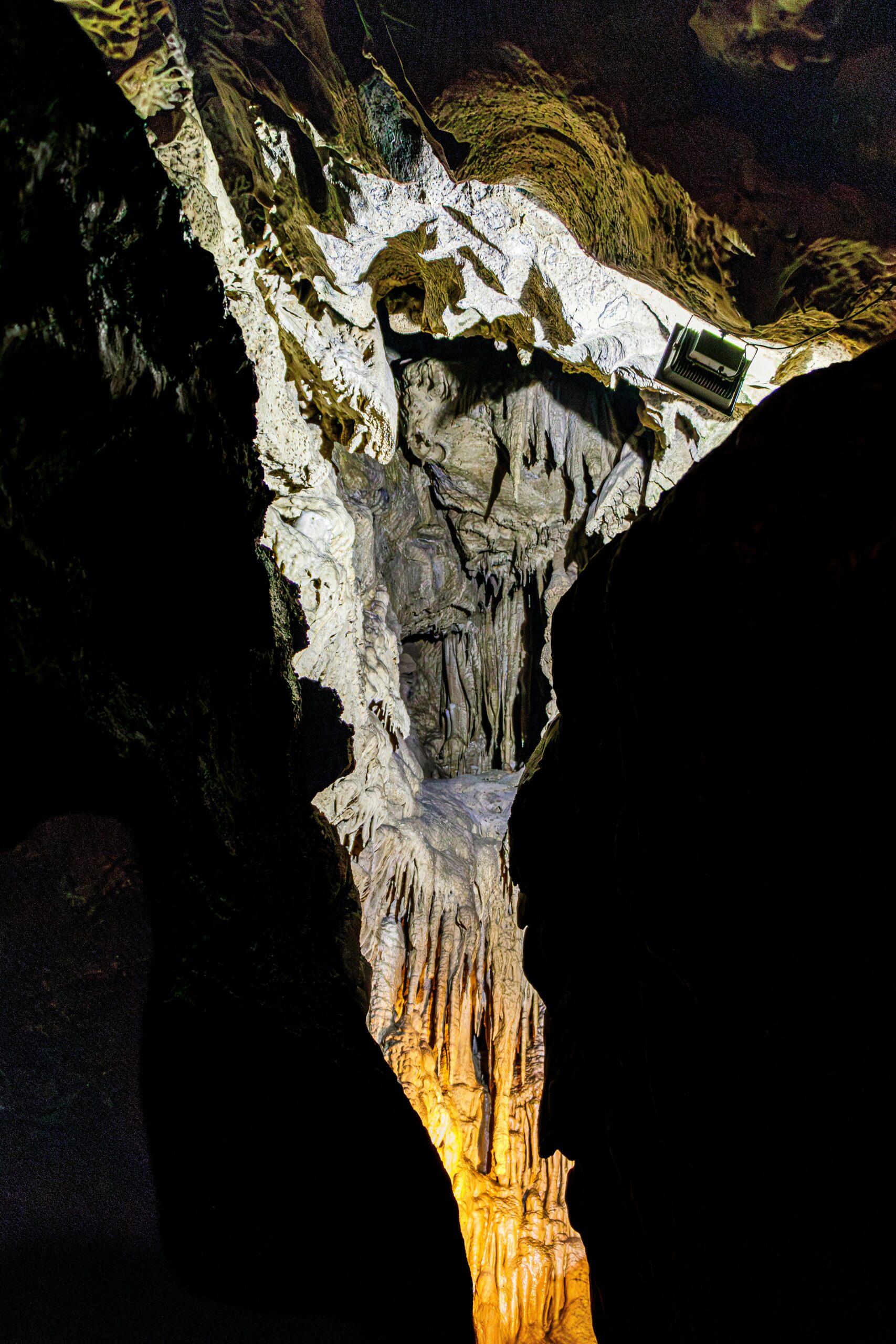
It started, and it ended, with a bad bargain in the mountain caves of Tora Bora. I have nothing but time now for the what-ifs and the whys, but every trail I follow leads back here. So long ago, our unit swept through the sprawling tunnels, seeking Taliban. Conlin and I were the youngest in our squad. Back home, his age didn’t stop him from getting into bars, and the broken tooth he got from fighting didn’t stop him from grinning. Our lieutenant always put us together, thinking my cautious nature would temper his wild one. Conlin called me “Dad,” then the whole squad did.
After days of not seeing an enemy, the light on my helmet caught the eyes of a cowering Afghan boy. He held something out, as if in offering for my mercy: a pottery lamp so small it would fit in my hand, ornamented with intricate blue and green swirls. I was mesmerized.
“Clear!” I yelled as I backed out of his dark corner, pocketing the lamp.
As we exited the cave complex, a staccato of shots scattered shrapnel from the rocks. Conlin slumped against me. I turned and saw the boy holding a gun just as he took a bullet. As the boy fell, his eyes bored into mine. In the pocket of my fatigues, the lamp shuddered. On the ground, Conlin’s last smile still played on his lips.
I accompanied Conlin’s flag-draped coffin to his hometown. His mother and kid brother hugged me hard like family. Mama Conlin sent me home with a handmade quilt and made me promise to write. I can’t say exactly why I never did it, but it could have been because of the shadow.
A man’s shadow, unfaded by light, followed me since Conlin’s last day. Only I could see it. I thought that if I could ditch the lamp, the shadow would leave too.
On the way to rejoin my unit, I threw the lamp from a Black Hawk. It disappeared into the scrub. It was back in the foot of my sleeping bag that night launcher, but it was sitting on my meal tray when I got dinner on the base.
When I was discharged from the Army, I traveled the world, hoping to leave the lamp behind, convinced that the shadow would not follow me if I didn’t have it. I dropped the lamp in an Indonesian volcano only to find it between the threadbare sheets of my hostel bunk. I chucked it off Tower bridge in London, but it was back in my pocket when I paid for my drink at a pub.
Every time I found it, it quivered under my touch. The shadow lingered nearby.
I told a monk outside a temple in Bangkok about the shadow dogging me.
“Make peace with your sorrow and guilt,” he advised, blind to the shadow lounging in the grass at his feet.
That monk was right. It was time to stop running and set down roots. I bought a house and a few acres in a backwater town, moved in with two duffels, and made my thrift-store bed with Conlin’s mom’s quilt. The county hired me to work road maintenance. My second summer there, every man between eight and eighty was in love with the girl from the feed store, but nobody so much as me.
Jennifer Day was lemonade in the heat and sunshine after a storm. She glittered with magic when she laughed. She wore her strawberry blonde hair in long braids, and I never saw her have a bad day. When she rang up my order, being close to her burned off a little of that dark fog that hovered over me.
In hopeless moments of intense longing, I had an intuition that the lamp held answers. Since I was settled, the shadow didn’t follow me so much; it seemed to lurk inside the lamp. Jennifer had her choice of men. I was shy, surly and serious. Why would she choose me? I held the lamp close and thought of her. That was when the shadow emerged, thickening from a light shade to a smoky form to something like a real man. His robes were dust-colored, and above his head a hat floated like a plume of smoke.
“What are you?” I asked, knowing it sounded rude. I didn’t know what else to say to a man made of smoke.
“I am a djinn,” He said as if it were obvious.
“Like a genie?”
“Something like a that, yes,”
“What’s your name?”
He shook his head.
“Okay, I’m gonna call you Jack.”
“How may I serve you?” he asked in a rich baritone.
“I get three wishes?” I asked, remembering a cartoon genie.
“Three, or ten, or none.” He grinned like it was a joke. I set the lamp down and turned away, not wanting to tangle with this dark being. Out of the corner of my eye, Jack faded to shadow then disappeared into the lamp.
Nightmares of Jennifer falling for Dean Ratliff from the next town over kept me from sleeping. Jack was the answer to my angst. Knowing the consequences, I made the wish anyway.
She blushed and agreed. The date was magical. Her smiles evaporated my self-doubt. For once, I felt at ease, like myself. She even seemed to think I was funny. I dropped her off with an electric kiss. That night, pain tore from my neck through my spine to my fingers and toes. I fell to my knees and tried to keep breathing. I knew it had something to do with Jack; I pulled myself to the mantle to grab the lamp and summon him.
“Jack, what is happening?”
“Every wish has a price.”
“Why didn’t you tell me?”
“You never asked.”
“Is it always pain?”
“The price depends on how difficult it is for me to acquire. She liked you, but you could not have captured her heart without my magic, so it was a little bit of pain.”
A little bit of pain. I convulsed on the floor.
Once we were in love, the memory of the agony seemed more than a fair price. We married within the year. Our Fern was born first, then baby Brooke. Jack faded to “the djinn,” which faded to a mist in the corner of my eye. The lamp no longer gravitated to my hand. It became a dusty relic on a shelf, from another time and another place. I thought of it less and less.
Happiness was sweeter since it had taken an unnatural intervention to make it mine, but the thought of the bargain brought a bitter aftertaste. I felt that I lived my life in the time between the lightning that lit up the sky and the thunder that would come crashing.
One late summer day, Jennifer hosted a party and invited our friends and family. I was never much for socializing, but something about her made it easier for me to be around all those people. She and our girls wore matching cornflower-blue cotton dresses. They looked like storybook fairies, spreading good cheer to all our friends who saw them. Jennifer made sure everyone had enough to eat and someone to talk to. A parade of sticky-handed children followed her around like little ducks, asking for treats or fetching things she asked them to bring to guests. The They held hands, singing
Ring around the rosie
Pocket full of posies
Ashes, ashes,
We all fall down!
After three rounds, Jennifer fell to the ground on cue, but didn’t get up. I thought she was teasing the kids. Her long hair was splayed in the soft grass, her dress laid out around her. I ran toward her and realized she’d passed out. That sweet summer evening turned to panic. In a daze, I carried her to the car and raced to the hospital.
The next hours were a blur. I only clearly remember my Jennifer, still in her cotton dress and loose hair. My fae queen, confined to the sterile, scratchy sheets and stark neutral tones of the hospital room. She eventually woke up. They transferred us around and around the hospital, running test after test.
A doctor in a white coat with a solemn face told us they’d found a tumor in her brain. It was far gone. There was little they could do. His black eyes betrayed no pity; his practiced way of delivering devastation didn’t allow me to rage or cry. I couldn’t breathe. Jennifer looked away as tears streamed down her cheeks. I knew she was thinking of the girls, but I could only think of how I could not lose her.
Jennifer was quiet on the way home, staring out the window. I wanted to fix this, to offer reassurance that she shouldn’t despair. It’s crueler to make a promise before you’re certain you can deliver. The thought of asking the djinn for anything more felt hopeful but desperately dangerous. But he’d brought us together. What wish-price could be worse than losing her?
At home, Jennifer went to bed. I ran to the den to retrieve the lamp, its swirling design warming under my fingertips. Jack’s ghostly shadow emerged. I could barely make out his eyes, but a wisp of a smile haunted his face.
“What’s your wish, my master?”
“Will Jennifer die of this cancer?”
“Yes.”
“Can you make her better?”
He floated from the corner and glided around the room like a puff of smoke, relishing the freedom of movement, the intensity of my attention.
“I could. Is that your wish?”
“What will it cost?”
“One child.” My throat tightened, preventing me from yelping in a panic.
“No,” I rasped.
He swooped to the other side of the room.
“A fire will kill your neighbors,” he responded, calculating with lives like coins.
“Which ones?” I was disgusted at myself for asking.
He wafted to the window and looked down the street. “The blue house.”
My friend Bill lived there. I thought of Conlin’s broken smile. I felt sick for considering it. My conscience couldn’t bear another death.
“I will pay. Not them.”
The smoky form expanded, then settled on the recliner next to me.
“Of course, master.” He grew thick with thought, his form coalescing.
“What do you want?” I asked him, my voice cracking.
“Your pain.”
“I’ll take any pain.”
He puffed up, doubling in size.
“Make the wish.”
“I wish for Jennifer’s cancer to go away.”
I caught the hint of a smile as he nodded into a puff of smoke and whooshed back into the lamp.
The next few days, I wondered if I’d imagined my conversation with the djinn. But within a week, the color was back in Jennifer’s cheeks. She read the girls from Grimms’ Fairy Tales with more narrative enthusiasm then I’d seen for months. When she cackled as the evil witch, the girls’ squeals and giggles reached me in the next room. When they fell asleep, she asked me to take a walk with her in the moonlight. We strolled hand-in-hand around the yard and looked at the stars. She felt warm and alive and full of optimism. Any price is worth this.
“You’ve got an angel watching out for you,” he said. The lamp vibrated in my pocket. Jennifer squeezed my hand.
I was flooded with relief, yet my jaw grew tighter, and my fists stayed clenched. I braced for agony, and when it didn’t happen, dread grew and knotted me up like a vine.
My Jennifer didn’t die, but surviving gave her a thirst for things I couldn’t provide. She started with a glass of wine at dinner. Then a bottle. I read the girls to sleep so they wouldn’t see her stumble into bed. Maybe this was a phase. I’d seen soldiers overindulge after deployment; many of them went back to normal. But some never did.
Within a year of cancer recovery, Jennifer got a job evenings waiting tables. She said she needed to get out of the house more. Her new coworkers liked to party. I didn’t like that she experimented with drugs, snorting coke with 21-year-old dishwashers, but she laughed off my concerns and soon blew my paychecks on harder highs. She insisted that she was just having a little fun, living out a little youth now that she had a second chance at life.
On Brooke’s twelfth birthday, I brought home our favorite three-cheese pizza. There was no cake, just Funfetti box mix on the counter and no Jennifer in sight. I wished for Brooke to cry. Instead, she calmly suggested we drive downtown, where her mom had said she needed to meet a friend. We passed the picturesque main street for a rundown row of abandoned buildings.
After searching for an hour, we found her asleep in a condemned store’s entryway. Without complaint, my daughters helped load her in the car and rode home silently. We were all lost for words in our own ways. When Jennifer sobered up enough to realize what she had done, she was clean for three weeks. Brooke forgave, settled for a late grocery store cake, and held on to hope.
A few months later, I came home from my night shift to strangers sleeping on my couch. The living room was strewn with bottles, takeout boxes and used ashtrays. My girls huddled in their room eating cereal with sour milk to avoid the party outside. I cleared out the living room of the trash, literal and figurative. I made breakfast and invited the girls out for a warm meal. Seeing them come hesitantly out of their room made me realize they weren’t little girls anymore. Fern, who had been a boisterous small child, grew to a cloistered young woman, her big eyes watching like a deer ready to bolt to safety.
I summoned the djinn but knew speech would push me over the edge. Not wishing to cry in front of him, I stared into his smoky form and said nothing. He hovered nearby. Was there an expression of sympathy in his shadowed face? For so long, my dearest ambition was to rid myself of him. Now he was the only one who really knew me. As my silence persisted, he faded to smoke and hovered over my discontent, my one true companion.
Jennifer withered until she was skeletal and grey. One rare evening when she wasn’t high or hungover, she darkened the doorway of my den. She wore the blue cornflower dress, but the effect was the opposite of what I’m sure she’d intended. The dress hung loose and wrinkled. Her once vibrant skin was sallow and gray, her once strong arms, bony. Her hair was lank and dirty.
“I know you can make it stop.” My gaze slid to the little lamp on the mantle, but I knew she didn’t really know.
She knelt at my feet, eyes red with tears.
“I never wanted to be this. I wish I had died of cancer!”
She stared into my eyes, and I wondered if on some level she knew it was my fault. Why else would she ask this of me?
I stroked her head as she sobbed in my lap.
Any words I thought of seemed meaningless. The truth, too unbelievable. Guilt choked me. My own selfishness, my fear of losing her had turned her into this. On the mantle, the lamp quivered.
When she left, I grabbed it. It fluttered erratically like a bird caught in a net.
Jack unfurled from the spout, expanded, and settled in an easy chair.
“You didn’t tell me I’d pay with emotional pain.”
“You didn’t ask,” he responded.
“Can I undo any of this?” He morphed into a large face.
“You can undo it all,” he said, opening his mouth and swallowing me. I entered the dense fog of his form as scenes took shape:
A few months after the cancer diagnosis, my Jennifer lies in a hospital bed, wilting like the vase of curling pink roses at her bedside. My daughters are beset by grief. I can’t comfort them. I am helpless and heartbroken, and my love isn’t enough to heal them.
We travel back again, before I dated Jennifer. She smiles at Ratliff down at the feed store. She says yes, she can go out with him when she gets off of work. I am alone.
Back further. I’m back in the cave with the boy. We both look so young, probably less than five years apart. The boy offers me the lamp. I ignore him and call for backup. A gunshot. Pain in my back. A second boy with a weapon.
Then we were back in my den, the djinn reduced to human size, nearly solid with a curling mustache. His robes gathered their dusty color, and the tinge of his reddish hat deepened.
“Your wish is my command,” he said. I had it now: a path for preventing all the suffering, from the start.
“Take me back to the caves.”
Smoke and sweat fill my nostrils. I’m eighteen again, staring in the eyes of another scared boy. Instead of the lamp, I take a bullet.
It’s not like the vision he showed me. I am fully present yet still know what could and will be. I have a sense of the futility of the battle we are fighting here. I haven’t met Jennifer yet, and I also know she will have a good life without me. My girls will never exist. The grief for them, not the wound, is what is killing me. Conlin will accompany my flag-draped coffin, hug my mother. I’m barely aware of my unit rushing the cave where I lie.
I close my eyes and imagine the faces of my children. Conlin, panicked, kneels by me and kicks the lamp the boy dropped when he was shot. It clatters across the stone and dirt floor.
As I die, my soul unstitches from my body and lingers nearby. My spirit doesn’t fade. Shadow threads tie me to another vessel. I am pulled towards the lamp, into the corner where it came to rest. I watch headlamps moving through the dark, sweeping the cave, pausing on my body. After all these years, I no longer feel the weight of Jack’s shadow. He is free, free to die, free to rest. Now I am the shadow.
Every wish granted has a price due.
I ache for the lamp to catch someone’s eye on this dark cave floor.