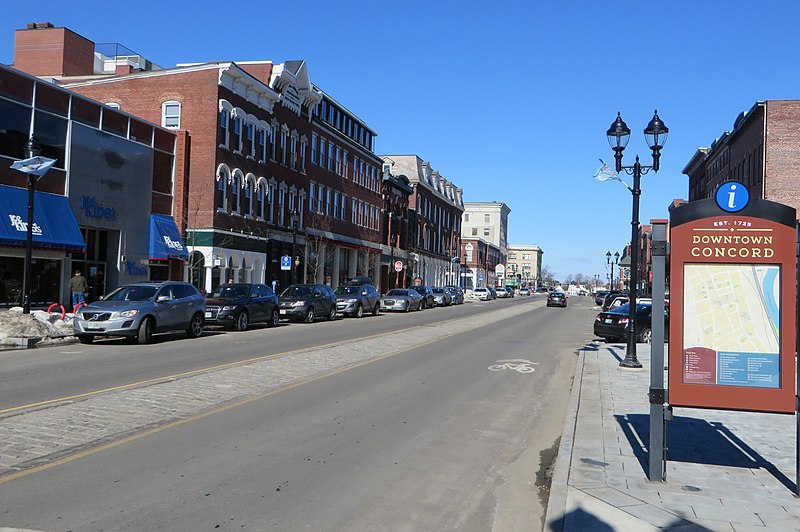
New Nonfiction: The Footsteps of Giants by David James
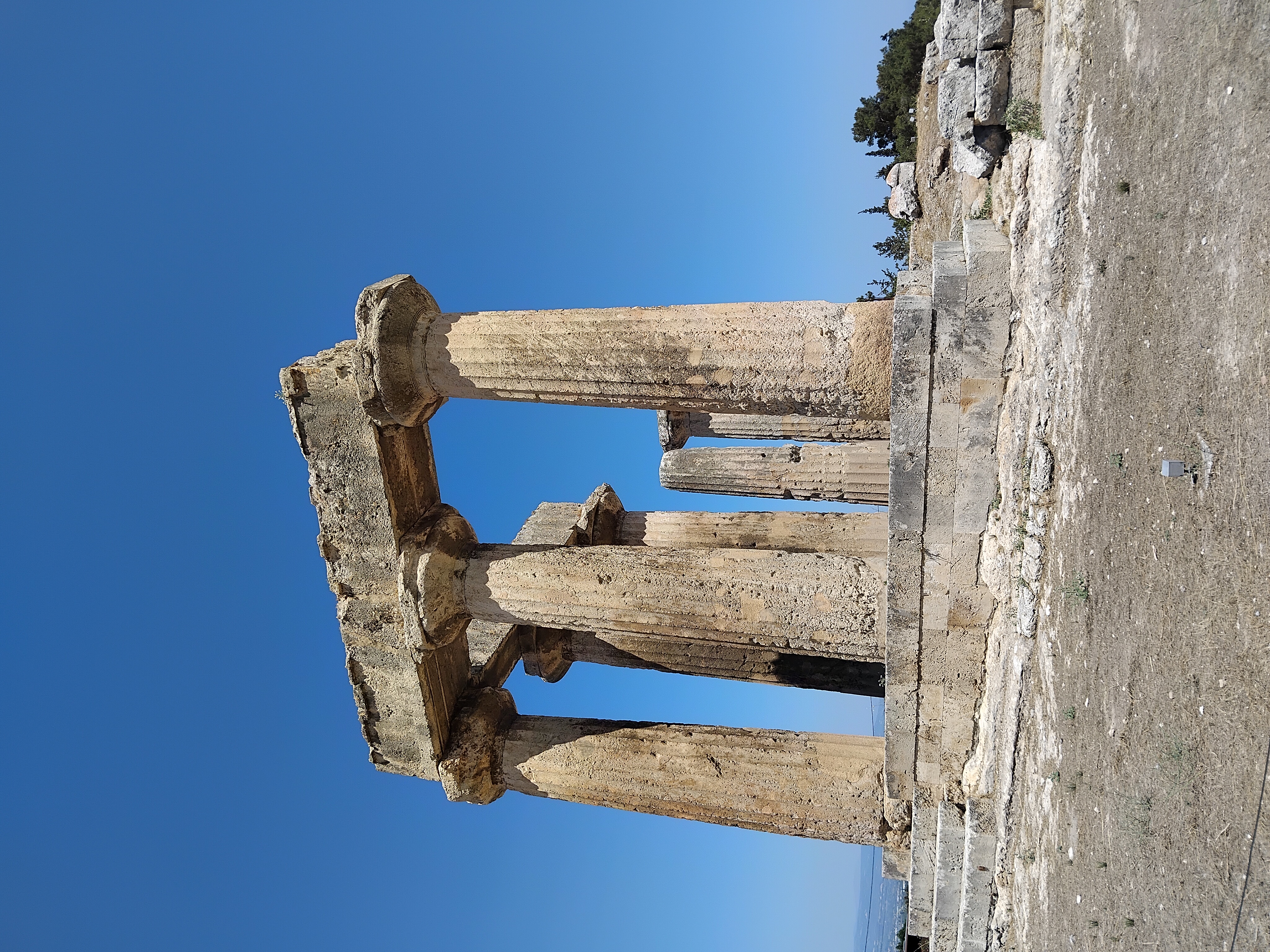
Temple at Corinth

Harold Bloom writes of the anxiety of influence that has afflicted writers going back, in the Western tradition, to Homer. We could stretch the metaphor to include not just writers, or artists, but all classes of people. For military leaders, for example, one recalls Plutarch’s anecdote of a middle-aged Julius Caesar weeping when confronted by a statue of Alexander the Great in the province of Spain. “He had conquered the world by the age of 27. I am 32 and have done nothing!” he said. Alexander himself, during his destruction of the rebellious city of Thebes before launching the invasion of Persia, ordered that only the house of the poet Pindar to be spared the flames. After crossing the Hellespont into Asia he then paid homage to the grave mound of Achilles (his ancestor!) at Troy. Lucian of Samosata in the 2nd century A.D. writes of Greco-Roman tourists visiting the birthplaces of philosophers like Zeno and Epicurus. He also mentions streams of pilgrims to the site in Cappadocia where the thaumaturge Apollonius of Tyana ascended bodily to heaven. Likewise, Suetonius notes that Virgil’s Mantua home or just north to Catullus’ Lake Garda palace were itineraries growing in popularity with well-to-do Romans. Petrarch’s frescoed house in the Euganean Hills near Padua has been visited by poetic disciples since the early Renaissance (I took my students on a school trip two years ago). All this is to say that pilgrimage is not for religious journeys alone, but for any act of traveling that takes us to a place of special cultural significance.

I myself have walked the ancient trail of the Camino de Santiago, visited the holy sites of Jerusalem, and been half a dozen times to Rome, all charged with numinous spiritual energy. Moreover, I have looked upon battlefields dating from the sack of Troy itself, to the Persian and Peloponnesian wars, the Punic wars, to the more modern Napoleonic wars, American Revolution, American Civil War, Italian wars of Independence, and dozens of sites from both World Wars (to say nothing of the two years I myself spent in Afghanistan). Rambling around a Gettysburg, or Waterloo, or the Normandy beaches (not to mention an ancient Thermopylae or Lake Trasimeno) evokes sentiment of strong collective memory and tragic action, but such sites nevertheless remain anonymously hallowed grounds that center around no single individual. Napoleon himself comes closest to a lone evocative “hero” who overpowers the masses of nameless men buried wherever he went, and whose legacy is ubiquitous across Europe and beyond. Seemingly everywhere I go, from Spain, to Egypt and Israel, to Russia, to the Northern Italian plain where I live, Napoleon has walked the ground and left traces to be followed and remembered. I once slept fitfully on the floor of a dilapidated villa over Lake Como which housed a billiard table once played on by the Corsican. Religious pilgrimage, battle and bloodshed, Caesar and Napoleon, these things hold our imagination and compel us to pay respect, even when given begrudgingly. For it can become a respect that is too big, too weighty, almost inhuman. The things that touch us more are the remnants and relics we glimpse of our forebears who were fallible, down-to-earth humans, not deities. Artists, whether writers, painters, musicians, whether giants or geniuses, and of certain kinds and to varying degrees, are all-too-human, and thus allow us to walk in their footsteps, to see ourselves more clearly through them, to be inspired and influenced, even enriched and blessed, by them.

Shakespeare, setting aside Homer, is Bloom’s quintessential artist who was himself uniquely free from the anxiety of influence, while simultaneously creating it in every subsequent writer. Such was not necessarily the case for his earthly estate—his famous Tudor-style birth house in Stratford-Upon-Avon only became a protected property and tourist destination in the mid-19th century due to the efforts of Charles Dickens. It was in fact during this Victorian period when modern tourism at cultural destinations became increasingly popular for the upper classes, and which accelerated again after the end of the First World War for the middle classes. Today, Shakespeare’s house could be considered a model of the overpriced commodification of culture that lacks artistic authenticity. Authenticity is the crucial word here, because it is this that this gives power to the places we seek out, or discover by accident, on our various pilgrimages. I would exchange a simple artifact, or monument, or plaque freely situated in loco for any expensive entrance fee crowded amongst tourists who are often more in search of a momentary escape from boredom than an authentic intellectual experience and its accompanying reverence.

In Venice, for example, there were times during a single day-trip when I wandered without purpose down narrow lanes, away from the sardine-packed tourist routes, haunted by the past, in search of nothing in particular, but open to whatever may come. I glanced up at various times to notice humble marble plaques adorning old buildings: an old palazzo in Cannaregio where Jean-Jacques Rousseau spent a frustrated year as French ambassador; a statue of Carlo Goldoni outside the palace where he was born; another noble palace (which later became the official Casinò of Venice) where Richard Wagner had died. This last contains a poetic inscription written by Gabriele d’Annunzio, who consciously designed his own living tomb and memorial at a sprawling villa over Lake Garda, which serves as both a site for school trips and an ongoing site d’hommage for fascist Mitläufer. In Florence, I once glanced up to find a plaque on the house that Dostoevsky wrote The Idiot while in self-imposed exile after his release from a Siberian prison colony. In Milan, likewise, I espied a plaque outside the old Red Cross hospital near the Ambrosiana where Hemingway recovered from his shrapnel wound, inspiring A Farewell to Arms.

Hemingway deserves his own paragraph, for it is he as much as any other modern writer who has left a solid geographical legacy whence tourists can easily follow. Italy, Spain, France, Cuba, not to mention Arkansas, Florida, Illinois, or Idaho—there are a plethora of houses, bars, and various monuments and specious museums once haunted by Hemingway. His statue is outside the bullring in Pamplona, where one arrives after running with the bulls; Harry’s Bar in Venice charges outrageous prices (and enforces a strict dress code, which is why I was denied entrance) just for visitors to say they drank at the bar where Hemingway sipped copious Bellinis; in Paris there is more than one bar that tries to do the same to cash in on his ‘Lost Generation’ years there; even the town where I work, Bassano del Grappa, has a dedicated Hemingway Museum in the old villa along the Brenta River where his Red Cross ambulance unit was based at the end of the war. His larger-than-life persona (even if this was as much about marketing as reality), and international adventures (big-game safaris, deep-water fishing, multiple wars corresponding, multiple wives left in his wake…) make him a household name and an easily accessible target for mass tourism.

The writer who most warmed to the idea of literary pilgrimage for its own sake is Max Sebald. His novels often consist in his retracing the footsteps of various literary forebears, and investigating the palimpsest of intellectual and architectural history that abounds below the surface of our cities and our lives. In his novel Vertigo, especially, he makes a trip from Venice to Verona, around Lake Garda, and back to Germany. Along the way he writes about the connection to each place of writers like Stendhal, Casanova, and Kafka. In the final section, he reluctantly returns to his tiny hometown of Wertach, where he shares nothing in common with the ignorant villagers. Despite that, playing on the growing fame of Sebald, someone today has newly created a “Sebald path” through the nearby countryside. One of my friends who appreciates Sebald even more than I has made this pilgrimage and confirmed its strange existence.

In both Trieste and Dublin, visitors can follow in the footsteps of James Joyce’s life and works, though I’d wager that very few who do so have ever read anything by Joyce. In fact, there is a statue of Joyce along the Grand Canal in Trieste, near the old Berlitz school where Joyce taught English for 15 years, including to the writer Italo Svevo (who has his own statue). In Duino, near Trieste, there is a romantic castle that once hosted the poet Rainer Maria Rilke and inspired his Duino Elegies. There is a beautiful walking path along the cliffs named after him because of his own typical walks overlooking the Gulf of Trieste. On a hill above Bolzano I once found a path where Freud used to take daily walks during his summer visits, when it was still part of the Austrian empire. In Greece, I stayed in a village with a small beach-side cottage that Nikos Kazantzakis lived in for two years (1917-18) with the real-life Georgios Zorbas. The pair tried to establish a nearby coal mine, which became the basis for the later character of Alexis Zorba of the famous novel (and film). Just outside Geneva, one can visit a chateau built by Voltaire in a town now named after the genius philosopher (genius especially for his unique ability amongst philosophers to make himself rich in order to guarantee his own financial, and thus political, freedom).

If we enter Geneva, in the cemetery precisely, we can find the final magically realist resting place of the Argentinian (but Old World in spirit) Jorge Luis Borges. Indeed, it is in cemeteries in general where we often find and reflect on great lives lived. One of their upsides is that they are free of charge, and generally free of tourists (two things I value more than over-priced and over-crowded), not to mention authentic. What could be more authentic than the final physical remains of a once living spirit who lived, created an artistic legacy, and died. Thus does the Pantheon in Rome become more powerful by containing the incongruous tomb of Raphael (for it is only he and the first two kings of Italy who are interred in the Augustan edifice). The most famous cemetery of all is no doubt Père Lachaise in Paris, where one can find the resting place of scores of famous artists of all stripes, from Balzac to Oscar Wilde. Here you can find surely the most touristed tombs in the world, those of Chopin and Jim Morrison, and yet the lingering presence of the monstrous dictator Trujillo desecrates all around him. In Venice, the island cemetery of San Michele is a place for respectful rumination that is not as populous, but just as evocative as its Parisian cousin. Then to Nafplio, in the Peloponnese, we find the final resting place of that most infamous Doge of Venice, Francesco Morosini, who was responsible for the reconquest of Greece from the Ottomans, at the expense of the destruction of the Acropolis on his orders. Back to Kazantzakis, his own tomb is situated on the Venetian ramparts outside Heraklion, Crete, because his excommunication by the Church meant that he could not be buried in a cemetery. The epitaph reads “Δεν ελπίζω τίποτα. Δε φοβάμαι τίποτα. Είμαι ελεύθερος (‘I hope for nothing. I fear nothing. I am free’).”

In Vicenza, where I lived for many years, there is a plaque on a building on the main piazza commemorating one single night that Giuseppe Garibaldi slept there. It was in 1867 after Venice was finally captured from Austria in the Third War of Italian Independence, and when Garibaldi was very likely the most famous and admired person in Europe. The plaque merely reads “Garibaldi, who cried ‘Rome or Death’, stayed here.” Likewise in Torbole, a windy town washed by the northern tip of Lake Garda, there is a low arch equipped with a fountain and a plaque recounting one single night that Johann Wolfgang Goethe slept there in 1786, on the trip that inspired his memorable Italian Journey. A few blocks away in this same small town there is a memorial to Colonel William O. Darby, a US Army Ranger commander who was killed by German artillery on this spot on April 30, 1945. This was the same day Hitler killed himself, and almost the last day of the war in Europe. This same commander gave his name to the infamous obstacle course, the ‘Darby Queen’, that all candidates at Ranger School in Fort Benning will forever remember.

Nearby Vicenza, and Bassano del Grappa, is the picturesque hill town of Asolo, which was where the British adventurer and travel writer Freya Stark made her home until dying there at the age of 100. Stark was one of the first westerners, and certainly the first woman, to travel alone across the Arabian Desert, and recounted some of her earlier adventures in excellent The Valley of the Assassins. Murals about her life can be seen in the town, and one can also visit her tomb, which happens to be next to the tomb of Eleonora Duse, Gabriele d’Annunzio’s muse and lover, and the greatest actress of her day. Further down the Italian peninsula to the Tuscan hills near Siena, we can find the scenic country estate of Gregor von Rezzori, a German-Romanian post-war writer of the memoirs The Snows of Yesteryear. This estate still hosts a retreat for writers including the likes of Bruce Chatwin and Michael Ondaatje. In nearby Orsigna, an Apennine village near the ancient tree-lined border of Tuscany and Emilia, we can visit the home of Italian journalist and travel writer Tiziano Terzani, whose Letters Against the War greatly influenced my thinking during my own participation in the War on Terror. A film was made there based on his last book, The End is My Beginning. Further down the peninsula in Ravello, overlooking the beautiful Amalfi coast, we can visit the Villa Rondinaia, where the great American writer Gore Vidal lived and worked for decades. And yet another nearby villa on the island of Capri is tucked away near the many villas of the emperor Tiberius, a modernist design that was the residence of the WWII-era Italian writer Curzio Malaparte. This setting is so unique and memorable that Jean-Luc Godard chose it for his film Le Mépris (Contempt).

On Corfu, one can dine at an expensive restaurant called the White House that used to be the residence of Lawrence Durrell, where he wrote his many travel books, and part of his underrated masterpiece, The Alexandria Quartet. It was also here that his good friend Henry Miller spent one year, which inspired The Colossus of Maroussi, his favorite (and mine) among his own novels. Further down on Corfu, there is a palace called the Achilleion which was built for the Austrian Empress Sissi, and was later purchased by Kaiser Wilhelm II, who spent much of his post-war exile there, engaging in his passion for hunting (apparently he had not caused enough death already in the first war) and archaeology. The Empress Sissi also left her mark in Merano, where an incredible castle with beautiful gardens markets itself to visitors today as ‘Sissi’s Castle’, even though she only stayed there for one month.

Back to Napoleon, on Elba Island there is a small palace where the former Emperor “ruled” the island during the nine-months of his first exile, and designed the golden-bee flag of Elba (which was itself a version of the old Medici flag of Tuscany). Back to Garibaldi, there is a small island north of Sardinia that was privately owned by the great general himself, and where he spent his self-imposed retirement and exile after single-handedly conquering the Kingdom of the Two Sicilies and gifting it to the new King of Italy, sine ulle conditione. Back to Venice, one finds a palazzo looking out over the lagoon’s northern expanse where Nietzsche resided for seven of his most productive literary years. Then to Turin, we can look around the Piazza Carignano where Nietzsche witnessed a violent horse flogging and desperately went to embrace the horse, his final lucid moment before the final 11 years of syphilis-induced madness and death. If we continue down the Italian coast to La Spezia, we find the beautiful and aptly-named Gulf of Poets, which was famously visited by Byron and the Shelleys. D.H. Lawrence, who loved Italy (Sardinia in particular), as well as Henry James, also visited this Gulf. Back to Venice (for all literary roads lead not to Rome, but to Venice), one can visit the chamber in the Palazzo Barbaro where Henry James lodged and wrote several works, including The Aspern Papers. Moving to Rome, we find another room near the Aventine hill that hosted James while writing Daisy Miller and The Portrait of a Lady. Back to Greece, we can visit a memorial to Lord Byron, whose poetic heart remains interred at Missolonghi where he died of fever while fighting in the Greek War of Independence. Further south in the Mani peninsula of the Peloponnese, we find the charming sea-side villa of the British travel writer Patrick Leigh Fermor, who fought in the Greek resistance against the Nazi occupation in Crete.

Back to my home of Vicenza once more, there is a little-known plaque on a certain palace near Corso Palladio that reveals it to be the birthplace of Luigi da Porto, the little-known original author of the old story of Romeo and Juliet that inspired Shakespeare. And so we end where we began—with the divine Bard. Guided by him, we can let our anxieties rest and our inspirations lead us where they will, rambling amongst cultural artifacts and collective memory, part of a rich history and an infinite world where giants have always walked.
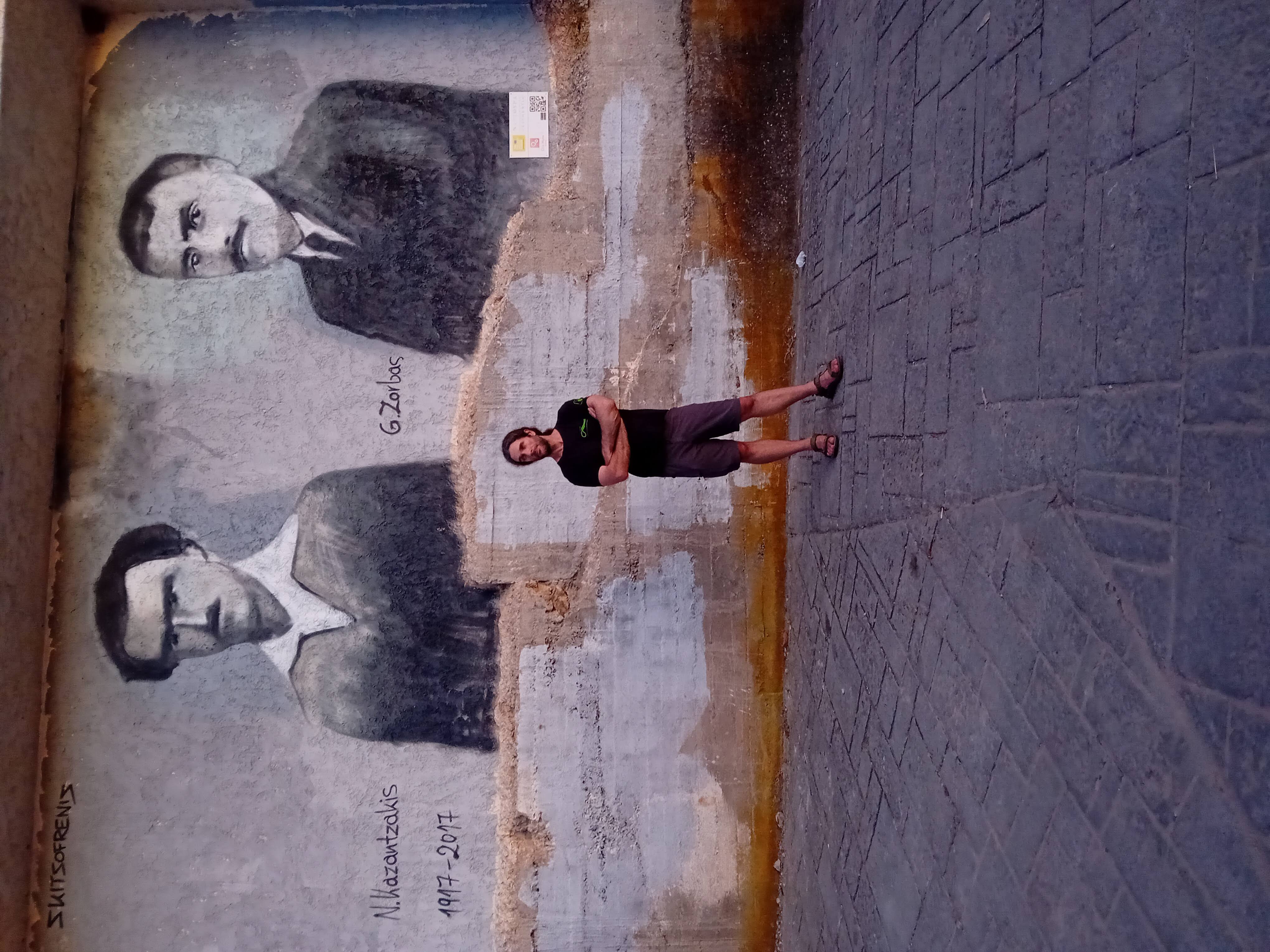
Kazantzakis and Zorba


New Fiction by Eugene Samolin: Narcissus Mask

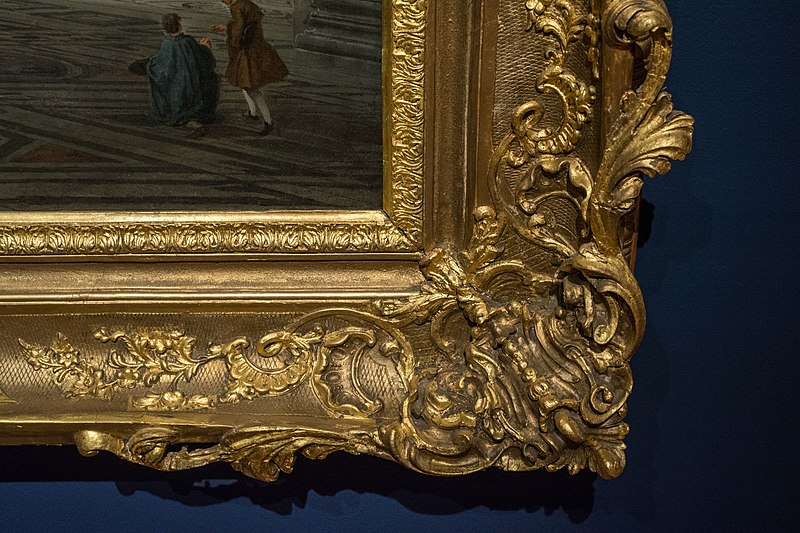
Frame

Olly stood on a chair in his studio with a noose around his neck. “I’ll never love again,” he moaned. He stared at the blank canvas in front of him. I love my paintings, he thought. But they can’t love me back.

The empty canvas whispered: “Olly…”

He sniffed and slipped off the noose, deciding that he’d do the right thing by the canvas and paint it before he died. A last work to say goodbye to the world with. He trudged to his bedroom, tucked under the covers, and drifted off to sleep…


It was night in the forest. He looked around. How did I get here?

The sound of a lullaby echoed toward him from somewhere off in the distance. Now he was moving through the foliage towards it, and he came to a clearing in the woods, where a woman sang the childlike hymn while sitting by a pond which reflected the moonlight.

“Hello?” he asked.

Her song stopped; she turned around, revealing her face. Olly gasped and sat upright in bed. He looked around his darkened bedroom as he regained consciousness and the dream faded from memory. The sound of the lullaby persisted, though, echoing into his bedroom from down the hall.

He untangled himself from his sheets, followed the tune to his studio and switched on the light. A woman strolled around inside the empty canvas, singing the same song that had serenaded him in his sleep.

Olly was astonished. “Hello?”

She turned toward him, revealing a white mask with piercing eyes and red lips over her face. “Hello?”

“How’d you get in there?” he marveled.

“I don’t know,” she said.

“What’s your name?” he asked. “I’m Olly.”

“Olly,” she said slowly. “Sounds familiar. I’m Ella.”

“Ella,” said Olly, scratching his head. “I think I remember you, too. But I’m not sure where from.”

“What do you look like?” asked Ella. “I can’t see you.”

“What can you see?”

“I can see myself,” she said. “Through your eyes.”

“So we’re both looking at you…” Olly pondered. “Can you take off that mask?”

Ella struggled with the mask. “It’s stuck. What’s going on, Olly?”

“I don’t know. But don’t worry—I’m an artist. We’ll figure something out.”


Olly was at the exhibition opening the next day. The portraits of heroes from Greek myth adorned the walls. Orpheus, Aphrodite and Apollo stared into the room. Their eyes twinkled triumphantly, pompously, mocking the frail imperfections of their human onlookers from deified perches of immortality.

“What is it that inspires you to paint?” asked a journalist from the local arts intelligentsia.

“I paint in order to know myself,” said Olly. The journalist scrawled away in her notepad. “With every painting, I reach inside and take a piece of myself and transmute it through my paintbrush and onto the canvas.”

She laughed. “Nice metaphor.”

He nodded in all sincerity. “I’m serious. I picked up the technique by accident when I did my portrait of da Vinci, and apparently he used it on the Mona Lisa to paint a part of his soul onto the paint, and that part is still alive today, looking out at the crowds who come every day to admire and adore her.”

The journalist pointed at Aphrodite. “So, is there a piece of you inside this painting here?”

“As a matter of fact there is. There are several pieces, actually, comprised of both organic and ethereal materials, which—”

“Olly!” bellowed Bruno, lumbering boisterously in. He gripped Olly’s hand and gave it a shake. “Keeping well?”

Olly nodded. “I’ve got a new piece coming along.”

Bruno roared. “A new piece!” He smiled at the journalist. “Good for your head, but not for your soul. I asked about your soul. You, Olly, you. Are you keeping well? How is your soul?”

“That’s the thing I’m saying about this piece. I think I may have raised the transmutation process to a whole new level.”

Bruno laughed incredulously.

“I’m serious, Bruno, there is something about this new portrait. Otherworldly powers are at work.”

“That’s good,” said Bruno. “Now don’t forget, the Art Monthly interview’s next week, yeah?”

Olly lit up. “Yes!”

“Then the Arts Festival fortnight after.”

“Oh, yeah, I forgot about that,” said Olly, beaming. “My mind’s been wandering, lately.”

Bruno clapped him on the shoulder. Rolled up shirt revealed strong biceps, he smiled nonchalantly, unsympathetic to Olly’s mental alienation. “Olly, my good man, step back and smell the roses once in a while, eh?”

Olly nodded. “Okay, I will. Thanks, Bruno.”


Olly burst into the apartment and raced into the studio.

“Olly!” cried Ella happily, and she danced a jig. “You’re home!”

Olly looked at her, still amazed at her appearance in his canvas. He’d half-expected her to not be here when he got home, that she was a figment of his imagination, created by his ego to counterbalance his manic depression and prevent the loss of hope. But here she was, right before his eyes in the canvas, with a mind of her own, completely outside the range of his influence. He looked at her in amazement. “I figured it out,” he said, slinking off his jacket.

“Hooray!” said Ella. “So tell me, what’s going on here?”

“Well, I learned this trick, see, where I can take a part of myself, like an emotion, or an ideal, and transmute it into the paint as it hits the canvas when I’m painting a picture of something, or someone.” He pushed the canvas containing Ella into a position where he’d be able to look at her and another portrait of Orpheus simultaneously. “See that portrait of Orpheus?” he said, looking partially at Orpheus, who was plucking his lute, and Ella, as he said it.

“Wow. Incredible,” said Ella softly.

“I’m going to put you right up next to him so you can hear it.” Olly turned the canvas around and put it against the canvas containing Orpheus so that they almost touched.

“Listen closely,” he said, pressing his ear up to the canvas as he held Ella close to Orpheus. Ever so faintly the music played; Orpheus plucked surreal melodies from his lute.

“Is that real?” asked Ella.

Olly nodded. “As I painted, I channeled my creative juices through a filter of musical inspiration and released them into every brush-stroke on that canvas. And as the painting emerged, I could see those bits of myself, those parts that I had infused into, over and on top of the actual paint, and I listened closely and could hear the basic tone of the lutes sound, the general rhythm of the melodies. And with that feedback it became easier and easier to tap into that same part of myself and get it out and onto the canvas, and so the music emerged.”

“What did you imagine when you painted me?” asked Ella.

“Nothing, that’s the thing, I never painted you. But the other night, I interacted with the canvas you’re now a part of. I loved it, in a way, loved it more than myself, which isn’t much, but it was enough to keep me going another day. Even though it was a canvas and incapable of love, and I’m a human, we were nevertheless equal.”

She walked around in circles in the canvas, processing what he’d said. “You’re brilliant,” she muttered, then she stopped. “So I’m the part of you that loves.” She spread her arms: “The best part of you!”

“I don’t think so,” said Olly.

“You said it yourself,” said Ella. “You put your last shred of love into me. Beyond me, there’s no love left in you.”

Olly searched his feelings. He raised his eyebrows. The pain was gone. And so was the love. There was nothing left of him on the inside. No more creative juices. He was empty. All that remained was his body, his outer shell. He patted his chest to make sure it was there. “You might be right,” he said.

Ella nodded sympathetically. “You must feel horrible right now, without me, without any of the good left in you. But even though it seems to you like you’re all bad, it’s not the way it is, because I’m the better part of you, and I love you more then you love me. See?”

“Are you talking in riddles, now?”

She smiled self-indulgently. “I’m good, aren’t I?”

Olly chuckled. “You are good,” he said, looking up at her shiftily, aware that she was watching him through his own eyes; she couldn’t see the evil expression growing on his face. “But the thing is, Ella, the thing is…everything happens for a reason, yeah? I think the reason this has happened is because, it’s like Bruno said, I need to focus on my soul. Do some soul work. And now that my feelings are gone, and I no longer care, believe it or not, strange though it may seem to you, I think I like it better this way. I freed you, that’s what I did―I freed us, both of us.”

“What are you saying?” she asked.

“I think we’re better off apart. It’s not you; it’s me.”

She was incredulous. “I am you. You are me. Which means that by loving you, you’re loving yourself. And by denying me, I’m denying me.”

He furrowed his brows. “That doesn’t make sense.”

“Trust me, it’s true,” she said firmly. “You’re in denial. And besides, what about me? Spare a thought for me, Olly. What am I to do? Trapped in here, all alone, full of love, nothing to do.” She watched herself through Olly’s eyes as she tried to scratch away the canvas as a way of escape, to no avail.

“It’s not my fault you got trapped in there,” he shrugged. “Besides, you’ll be okay. I’ll take care of you, entertain you, like a pet. We’ll hang out together, I swear.”

She flushed with anger, furious at the turn of events. “It’s your fault!” It took all her will, went against all her instincts, to commit an act of emotional abuse against Olly and deliberately turn away from him and ignore him. As she did so, she lost her sight and simultaneously disappeared.

A lump caught in Olly’s throat. “Hey! Where’d you go?” She didn’t respond, and Olly felt queasy, on the verge of fainting, as parts of his soul were sucked into the empty space left by his unanswered question and forever lost in the void. Some kind of metaphysical connection existed between himself and Ella in the canvas, now. In order for him to be happy, Ella would need to be happy, too.


After a sleepless night, Olly entered his studio and approached the canvas, which he tapped with his finger. “Ella? Come out, come out, wherever you are!”

Silence. “I’ve figured out a way to fix this situation,” he said.

Ella turned around and appeared again. Despite the mask, she was beautiful. “Really?”

“Sure. I don’t know how to get you out, but I think I can transmute the rest of myself into the canvas as well.”

“You would do that for me?”

“I’ve realized that if you’re not real, then I’m crazy. And if you are real, then this way we can live together in perpetual bliss, untroubled by the cares of the world. Either way, it’s a win-win.”

Ella thought about it. “For you it’s a win-win. But I’ll be stuck here, inside the painting,” she said. “And it won’t be true love. We’ll only be loving our self.”

“You’ll be loving me, actually. I’m going to paint myself in as the landscape around you. I’ll be your whole world, your everything.”

“But it won’t be real!”

“Relax. You won’t know the difference. It’ll be like a dream for you, a beautiful dream.” Olly picked up his paintbrush and began filling in the landscape around Ella. He decided to paint her in a clearing in the forest by a pool. As he painted, his body was transported into the canvas. He started with the ground, and as it appeared on the canvas, his feet disappeared from the studio.

“There has to be a better way,” said Ella, panicking. “A way for me to get out of here and become a part of you again.”

“Isn’t this what you wanted?” said Olly. “To be together again?”

“Not at the cost of our identity! Don’t do it, Olly! You’re only trapping yourself.”

“I’ve thought about it,” he said as he painted away his legs into the painting. “And I’m happy to settle for ignorant bliss.” He began painting, singing the lullaby as he did, to help ease Ella into a state of narcosis.

Tears welled in Ella’s eyelashes as she watched herself through Olly’s eyes running around the canvas, looking for a way to escape. Before long the foreground, replete with a deep pond, was finished, and Olly began working on the thick foliage of the forest in the background. His legs had all but disappeared, and all that was left of him was his torso, floating in the air. He sang happily as he brushed away.

Ella couldn’t help forgetting what was going on; the world became more and more like a dream. She began to weep. The tears that fell down her face began to wash away the mask she wore in the painting, and her vision shifted from Olly’s eyes to her own, gradually immersing her into the world of the painting, where it seemed to her as if she was awakening from a dream that she couldn’t remember.

Olly’s arms had disappeared, now, and there was nothing left but his head. He put the paintbrush in his mouth to paint the last of himself into the canvas.

Ella looked around at the forest, dimly aware that something wasn’t right, that she had to do something, to take some action, to get out of here. The distant echo of Olly’s voice singing the lullaby momentarily triggered her memory, and she realized what must be done. She calmly went to the pond and knelt over it, seeing her face for the very first time. As she peered at the reflection peering back at herself in the pond, it all came flooding back, and she remembered how she’d gotten here in the first place, how she’d come to set the trap so she could be free, and it had gone according to plan. She smiled. She was no longer afraid. She leaned into the pond and waited till the final notes of the lullaby were being sung before falling in and immersing herself into the loving embrace of her own reflection.


Bruno swung his convertible around the corner and skidded to a halt out the front of Olly’s building. He grabbed his crowbar, marched up the stairs to Olly’s apartment and knocked. “Olly? You missed the Art Monthly interview, and the Fine Arts Festival. What’s going on?”

The light of the hallway flooded into the darkened apartment as the door burst open and Bruno stepped in. “Olly?” The apartment was silent. He turned down the hallway and marched into the bedroom. Empty.

He went to the studio, switched on the light, and was struck numb by the sight of Olly’s large face, which stared into Bruno’s very core from the reflection of a pond within the canvas.

Bruno clutched at his heart and dropped to his knees as Olly’s penetrating gaze pierced through the shell of Bruno’s frustration and wrenched every last shred of empathy from him. The air caught in his throat, rendering him incapable of breath, and he kneeled there on the studio floor suffocating for several interminably long seconds as his mind grappled with the painting’s incomprehensible beauty. Olly wore a singular look of sublime love that captured everything good in humanity. His eyes twinkled triumphantly, mockingly, from a perch of immortality, down upon Bruno, humbling him into a crumpled lump of self-loathing that trembled piteously on the studio floor.

Try as he might, he was unable to tear his eyes away. Tears came unbidden to his eyes as he saw how impossibly short humanity fell of the ideal represented by the integrity of the young man’s face in the painting. He thought about how he’d used Olly, how he’d taken him for granted, how he’d secretly despised him, when all Olly had ever tried to do was inspire people to build a better world for everyone. He was wracked with a bout of guilt that shuddered over him in heaving sobs, and he was swept away, far away from the present, carried across an ocean of forgotten emotion, and finally washed up on some distant shore, never to be the same again.

Bruno tore his eyes from the canvas and looked back upon the ordinary world, which appeared bland, lifeless, grim in comparison to the timeless splendor of the painting. He wheezed and wiped his tear-stained face with his sleeve as he took the necessary time to compose himself before taking out his phone and calling the authorities. “Hello, police? I’d like to report a missing person.”


Weeks later, Olly’s self-portrait hung on the wall of an expensive restaurant overcrowded with fancily dressed people who chattered gaily.

Looking out from beneath the surface of the pond and into the world beyond, he could see them all, dressed in their cocktail suits and dresses, oblivious to all that lay outside the boundless egotism of their own self-absorption. He heard the timbre of their voices, but the words were all the same: “Olly,” they mocked. “Olly-Olly-Olly-Olly-Olly.” Their faces, too, were unknowable to him—every single one wore Narcissus’ mask.

He called out to them, trying to help them to see true beauty, to know the real love that was here for them in these layers of paint, so they could escape from themselves and not need to hide their true faces behind the grandiose facades they wore. But the water muffled his screams, and the people laughed all the harder at their own wit, their joy increasing inversely in proportion to his suffering. He thrashed about wildly, trying to move, trying to change, trying to do something, but it was no use: he was unequivocally trapped beneath this watery grave, irrevocably framed within the borders of this canvas, immortalized indefinitely with this heroic expression on his face, unable to ever close his eyes, to look away.

He wailed in unfathomable agony, “Ella!” and yearned with all his might for the people he saw to give him even a cursory glance, to take in just a portion of his quintessence, and save him and themselves both. But they were so engrossed in themselves, so taken in by their own quintessences, that even when a pair of eyes chanced to look in his direction, they saw nothing of him beyond the parts that reflected themselves.


New Fiction from Thomas Mixon: “Strong Feelings of Sympathy and Horror”

A little stoned, on the screen porch facing the invisible grunts of New Hampshire spring peepers. Something night, something woods, something long sleeve. Lou looks down into mostly darkness. They can barely see the plaid pattern. One of Alex’s, figures. You can swear off a person, but still wake in the middle of the night wearing her damn shirt you swear you didn’t go to bed in. You can be a person, listening to thawed frogs, little creatures literally frozen the month before, and only hear her voice, though it’s been two months since she’s been gone, only taking half her clothes.

The two of them made it through the pandemic, the election, Lou’s own thaw, cracked egg, the fucking whirlwind of body and mind and for once in their fucking life not having to deal with it alone, coming out stronger on the other side, all those cliches. Alex going back to school, Lou moving north for her, buying a house neither could afford separately, making fun of the debt, together, making fun of work, leaving work, making fun of the Olympics, fuck you Intel, fuck you AI, fuck you 2032, working off a little laptop in the forest, tall trees on all sides swaying in the wind like they’re bound to fall, but they don’t, or, OK they do sometimes, but not on the house, far away. The turbulence of the 2020s transitioning to perpetual hurricunt of the new decade, tyfool, all puns but no groan, Alex gone.

Gone over such a stupid thing, compared to everything before. Lou gives the finger to complacency, somewhere in the nearby vernal pools, with one hand, undoes the buttons on Alex’s flannel with the other. They open the door and throw the shirt into the yard. Half-dressed and shivering, they root around in the dark for the rest of their ex’s wardrobe, tossing pants and hats out the windows. Living up here, can’t even have a proper blowup scene, end of a dirt road, no chance of anyone driving by and wondering why the mess. Had they broken up in Mass, they could have given the suburbs the expected show. But no, they were fucking bulletproof, made it through everything, only to lose it after all the hard things. Now it’s all soft things, mud, rain, hurt by flannel, hurt by others’ smiles, smiling back, pretending to everyone at their new job that they are this quirky and fun kid who happens to be in their mid-thirties. It’s cool. Yeah, I love New Hampshire. No, not born here. Why’d I come? You all have the best maple syrup. Change the subject. Hey, look at my new piercing!

#

The unicopters paused over the New Hampshire State House, longer than planned. There were just under 200 in the sky, hovering quietly above the gathered, applauding, crowd. They had left from Hanover that morning; another crowd, a set of speeches, the procession of the chosen students, standing before the doors of each aircraft as they opened automatically. June, the semester had just ended, the passengers mostly undergrads heading home. These models could make it safely to Michigan, to the west, the Carolinas, down south; all autonomous, all single occupancy, electric, and irritatingly plastered with Live Free or Die, on the sides.

That they had to pass over the State House first, before scattering to their destinations, was ridiculous, political, unnecessary. The design had come from two Dartmouth grads; for years they had tried to get the state to invest, no luck. New Hampshire only kicked in a little bit, at the end, once it was clear these things were special, were getting buzz. The state stamped their motto at the last minute, so the football field still reeked of paint, as everyone waved the unicopters off.

Downtown Concord was a mess of closed streets and temporary grandstands, so Lou drove in from the east, parked in a strip mall lot across the Merrimack River, and walked along the Route 9 bridge toward the ceremonies. They wished they had a hat, even one of Alex’s, lost to the forest; it was hot and stupidly muggy. They wished their camera worked; their phone was cracked and stupidly old. Mostly they wished they could have thought of a good reason not to attend. They were not, and had no desire to be, a real journalist. But, they had forty pages of magazine to fill by end of summer, and this little show was sadly the biggest thing in New Hampshire.

At least since the legislature passed the latest round of abortion restrictions, at the end of their spring session. A month ago, GOP clowns barely containing their glee, emboldened by the new governor, leaning in to the fucking circus mentality of the campaign, egging on the protestors, begging for a pie in the face, wearing chunks of banana cream on their foreheads for days, defiance kink, ringmaster high. The opposition did their best, showed up, filed lawsuits. But it wasn’t looking good.

Lou passed a small band of them, protestors holding signs, snakes in the shapes of uteri, Margaret Atwood-inspired bonnets, homemade everything. The demonstration was being kept far back from the festivities; even most of them stopped chanting, when they saw the first of the copters take its place downtown, waiting with the clouds, for the others.

A small square past Storrs Street. Eagle something? Atrium? Umbrellas, brick, a good enough view of the sky without Lou needing to push further on, close enough to the action.

Of course, in retrospect, it was still too close. The swarm of machines dipped in unison. Just a little bit; the cheering turned to one collective gasp. Then faint clapping again, as they all ascended back to their original altitude. Hmm, didn’t think that was part of the program. Lou tried to check their phone; stupid thing, too slow. Then the things dipped again, but seemingly at random. The little vessels jerked groundward, then back up. Something wasn’t right. No one was clapping anymore.

The Republican Speaker of the House found a microphone, started asking people to remain calm and – wasn’t able to finish his sentence. The unicopters started plummeting, on the crowd, on the State House, on the street. There were explosions, fragments of bone and tar, screams. Lou was knocked down some steps as the crowd ran. They dragged themself as far as they could to the side, under the lone umbrella that hadn’t yet been overturned. They covered their head and heard the parade of impacts, all down North Main, panicked footfalls of those separated in the confusion, survivors moaning and circling tragedy in real time. They stayed down until someone (a medic? not in uniform) shook their arm. Lou swatted the hand away, limped past people running in all directions, until they reached the highway, crossed the median in a daze, stupidly, and sat with their back against the guardrail, facing away from the disaster, toward the river.

#

By the time their leg feels good enough to cross the bridge back, they’ve forgotten which lot they’ve parked in. To Lou, it seems at least an hour must have passed since the mayhem, yet firetrucks are still streaming in, the echoes from shouts and glass breaking still bouncing off, one can see even from the river, an unrecognizable downtown.

It may as well be a different country, the other side of the Merrimack, though. Plenty of cars in all the lots, people walking into stores. Lou’s got the vague sense they should call someone, but no names pop into their head, let alone a string of digits. They follow a family into Books A Million, hypnotized by the group’s normal gait, the unfazed parents, the unpretentious children.

When they see a photo of the newest iPhone on one of the magazines, amongst the periodicals, they get the bright idea to look at their own phone. Still unsure who to dial, Lou tries someone named Mary it looks like they tried to call fourteen times this morning. Line disconnected, odd. They then pick a name at random from their contacts, Lionel. No luck either, but wow the guy’s timbre is soothing, on his voicemail. Lou’s lucky it’s one of those long ones, where the person must be wonderfully eminent, conscientious, and leaves a ton of info, who else to reach out to in case of something urgent. Considerate, beautiful. They are murmuring into the device, mindless appreciations, without hearing the beep, not realizing they are leaving a message.

They see someone wearing a “Tamra” name badge, in a Books a Million polo, watching them with concern over the racks.

“Excuse me, where is Lionel.”

“Lionel? Are you lost?”

“It’s just, he’s got a, very sonorous.”

“There’s no Lionel working here.”

“Tamra though, that’s a pretty name…”

And then they pass out.

#

Smell of burnt coffee, Bates Motel cushioning. Must be in the cafe section.

Lou shifts from slumped to sitting, unnecessarily dusts themself off. Tamra is holding a phone.

“There’s no need, I’m fine.”

“Er, you fainted.”

“I haven’t eaten.” Lou blinks, scans the cafe menu without taking in the words.

“I wouldn’t,” Tamra warns. “But, water.”

She’s back in second, somehow, with a glass of mostly cubes, and a little piece of paper.

“What’s that?” Lou asks, chewing the ice.

“From the community board.” Tamra hands them a card. “If you need it.”

Lou reads aloud. “Crisis Center of Central New Hampshire.”

“You can use my phone if you’re in trouble.”

“I was, it was.” They look around for a TV. It’s a cafe, not a sports bar, so. “Are we, under attack?”

“OK I’m definitely calling the police.”

Lou scoffs. “I think they’re busy.”

Tamra hesitates, puts the phone away, looks out the front window. “It’s awful.”

“Yeah, I slept bad before, so, this will be fun.”

“Wait, you were there?”

“Barely, I was lucky.”

“Um you look like shit.”

“Um yeah it was a fucking horror show.”

“Sorry, I mean, sorry. You just, I wasn’t sure.”

“If I looked like shit?”

“No, you do.”

“Thanks.”

“You kept saying something about Lionel.”

Nice voice, Massachusetts, Cultural Council. Ah, all coming back now. “Someone I used to work with.”

“Yeah. I thought like, abusive boyfriend, and…” Tamra trails off.

“Not quite, or, never.”

“You’re not in trouble?”

“I think I just strained, pulled something.”

“Or, you know, PTSD.”

“Time will tell, Tamra. I’m Lou.”

“I already know. I’m crazy.”

“Crazy like clairvoyant crazy?”

“Almost. I remembered your septum piercing.”

Lou lifts their hand to their nose. Barbell still there, no tearing.

“Where?”

“Aren’t you, working at NOM now?”

“Interesting, it’s, not that big a publication…”

“I flip through every page of every magazine we get.”

“Is that your department or something?”

“Nope, just control freak type thing.”

Lou tries standing. Nope. “Do you still have a copy?”

“Blah, it was last month, so no,” Tamra says, sitting down. Finally.

This is nice. “That’s OK,” Lou says, instead.

“You don’t have one?”

“I do, plenty. I was just going to tear my photo out.”

“What! You looked cute.”

“It’s insane, that they’d do a profile on me.”

“I think sweet, you looked cute.”

“I was just supposed to be the tech grunt, website content.”

“K, you already get a promotion then?”

“Sort of. The Editor, she just, up and left.”

“For real, forever?”

“Absconded to Massachusetts.”

“Smart lady.”

“Mary, yeah, that’s who Mary is.”

“You’re doing that mumbling thing, again.”

“You said I was cute, two times.”

“You were, are.”

“Sorry. I’m mad with power.” Lou stands, stable enough.

“I like it.”

“I don’t. I think I’m the new Editor.”

When Lou leaves, they’re still holding the Crisis Center card, Tamra’s number penned on the back.

#

The details on the malfunction are released within days. It may not be a malfunction. A young postdoc fellow at Dartmouth, Cindy, is being held in federal custody. Suspicious syntax in her code, an unusual amount of commented sections. She says it’s poetry. But officials are wary. They have avoided releasing anything thus far, but today a few sections were leaked to the press.

nh failure / experiment that only ends / with everyone pretending / autonomy means just for men

sycophants pull down / their pants to check who’s hardest / whose dick swells most for hurting girls / who’s the best bad bill / filer the granite state / has yet to spawn

i wish the adamantine beasts / below the flying blades / meet some sunny day / and crushed concrete / is indistinguishable / from their meat

Oof. That last one. Sounds damning, but, what does Lou know about verse?

They are looking up the word “adamantine,” when the first submission comes in. It arrives from the contact us link on NOM’s website. Lou still doesn’t have access to all Mary’s folders, inboxes, and has been dreading getting a complaint via the generic comment box, or a question they have no idea how to or if to respond to.

The submission’s not a complaint. It’s, more poetry. From someone “South of Manchester but with a White Mountains ethos.”

They say calamities insist

The weakest parts of us

Fall from our souls

And leave remaining

Only our best

To wrest the metal

Back in place.

This time, we rest

Only when our roads

Sparkle with a diamond

Shine, and we remember

Them, the blessed,

Who gave their lives

Without knowing why,

So we could attest

To undivided spirit,

Present, stressed,

Yes, but unbroken.

Lou is thinking, that was, sincere? Then they get another submission. And another. Some with real names attached, others anonymous. Lou wants to write each back, make sure they know they’re writing to a quarterly mostly food magazine. But, they make a new folder on the desktop, arrange them by time received, start playing with the layout, for a few, just in case.

By the end of the week, they have more than enough to go cover to cover. It would be a departure, but Mary’s run a few pages of poems before, when no new restaurants were opening, when the magazine couldn’t feasibly do another feature on the same corn maze or apple orchard it had already covered extensively, multiple times during previous seasons.

The question still remains, is sincerity enough? There are some obvious bad ones, but the majority seem, just fine, maybe a little trite, but how original can you be about a bloodbath that’s captured the entire country’s attention? Lou could get away with this, devoting an entire issue to these remembrances, these little poignancies, in honor of everyone injured or dead. Lou needs to get away with this, they’ve got literally nothing else. Accounts locked, Mary missing; shit, this is really how it is.

They send an email to the lawyer representing Cindy, why the hell not. Maybe she’ll elaborate on her leaked lines. Certainly not expecting an exclusive, her freshest criminal justice metaphors, not to NOM, at least. But, Lou’s thinking of a front cover. If they could get permission to use something from the villain (plaintiff…) herself, that would definitely get some attention, sell some ad space for the fall.

They make a call. Tamra answers.

“I was wondering how long you’d take.”

“Tell me everything you know about poetry.”

#

Turns out, not much. But, Tamra suggests an outing. Flyer she’s seen tacked to the Books a Million community board, picture of a peace sign, open mic night in Warner, thirty minutes north or so, at a cafe called Warless, local poets promised.

Warner, interesting. Lou may not be a reporter, but some easy searches show that’s where Cindy grew up, graduated high school from, a decade ago. If she wasn’t being held in federal prison, who knows, maybe the kind of place she’d hang out, congregate with rural creatives, farm type beatniks.

While Lou’s driving up there, Lionel calls.

“Please tell me you are not still in New Hampshire.”

“I am still in New Hampshire.”

“Come back to civilization, Lou!”

“Don’t you know I’m very important now.”

“How bad was it?”

“Twisted ankle. Lots of smoke. Things I can never unsee.”

“Jesus, Lou. I really thought, when Alex left.”

“I’d rather not say, the mortgage, a lot.”

“Mass real estate is insane.”

“Yeah I’m stuck here. Got a date, though.”

“Hot damn! Go get em, tiger.”

“Tyger, tyger, burning bright…”

“Impressive. All the readings I invited you to.”

“I know. I’m late to the game.”

“Poetry is very serious, Lou, not a game.”

“I’m headed to an open mic night, right now.”

“For your date?”

“Yeah, work maybe, too.”

“Good luck, have fun.”

“If I need some like, line break, advice…”

“You call me. You call me if you need to escape south, also.”

“I did call you, your voicemail saved me, I think.”

“I’m not kidding. Your state is devolving.”

“They just copy Texas, Alabama, we’ll get a heads-up.”

“Do you think that kid fucked with the code?”

“Fuck if I know, Lionel. I wouldn’t blame her, though. Is that OK?”

“Suffering aside, in a vacuum, lots of people would agree.”

“New Hampshire’s worse that devolving.”

“Seriously I know some well-off jerks, love to have you, however long Lou.”

“New Hampshire’s a fucking hole, a black hole, it for real sucks in all the loonies nearby, your state, the Berkshires aren’t all Tanglewood and roses.”

“I know, there’s a new gun shop, down the road from the Norman Rockwell museum.”

“Idiots in Vermont, idiots in western Maine, pent up rage from worse people in better states than mine, who come here, to fulfill their worseness.”

“I pray for women, every day.”

“Gonna take more than prayers, Lionel.”

“Amen. Have a fun time tonight.”

#

Warless Cafe is attached to the back of the town’s Unitarian Universalist church. Lou meets Tamra outside, little hug, both squeeze onto a bench near the order counter. Inside, the place is packed, mostly because it’s small, probably thirty people or so. Lou’s steadying their coffee as the barista keeps walking past, delivering drinks. Tamra’s balancing a BLT on a plate, on her lap, it falls, she lets out a big sigh and eye roll.

They talk briefly between poets reading elegies very similar to the ones Lou’s received since the tragedy. Maybe it’s the setting, this unsubtle conscientious objector vibe in here, lots of protest photos on the wall, that makes each recitation feel tired. Like, how terrible how terrible the wounds, but also how strong how strong we must be, we must not meet violence with violence, we must acknowledge the pain, but seek counsel with our better angels.

You know. No details of the shards of glass and human flesh bouncing past the bystanders’ faces. Where’s the poem like that? For sure, it would kill the mood in here, but Tamra already seems bored. Maybe Lou’s paying too much attention to the acts? They try to ask Tamra about the bookstore, or her life, or anything. Is she still mad about the BLT? Wasn’t this her idea, what else did she expect from a small town? Lionel wouldn’t be caught dead in here. It’s nothing great, but again, it never promised to be, the cafe name is a bad pun, should be a warning, right off.

Lou’s about to suggest maybe they go out for drinks, real drinks, somewhere else, instead. But then the barista passes them again, delivering nothing but himself to the microphone stand. He’s about to speak, puts a finger up, behind the counter briefly, dims the lights, giddily reappears. A ham, yeah, so Lou’s expecting something very melodramatic. But the guy starts performing a, poem? Something, from memory, or he’s making it up on the spot. It sounds, a lot like Cindy. Bits about the hopelessness of men, how they’re the dregs, some strange metaphors involving sediment, gathering up useless matter, setting it ablaze. It doesn’t make a ton of sense, it contradicts itself. It has hushed the crowd. Even the what-seems-to-be regular knitting club clique near the back, stop their work, listen.

The barista excoriates the state. Begs for annexation from Canada, Mass, New York, anyone. He speaks of his hometown and the shame, the shame of still being here, and strangely the people here, in this very hometown, are nodding their heads. At the end, he references Cindy’s last name, in a long list of names, of those working towards disMENbering the status quo, misquotes her leaked code:

anyone defending / autonomy for men / is good as dead / already

When he’s done, the lights go back up, it’s intermission, Joan Baez on the speakers. He thanks the other barista, is about to make someone a latte, does a double take. He walks right up to Lou, bends down, peers close at their face, rummages through the book rack near the entrance, comes back to the bench holding the previous month’s pages of NOM.

“Please don’t do a feature on us.”

“Jesus, if I knew a nose ring would, do this.”

“I beg you. The food is terrible.”

“Wouldn’t know, you knocked my date’s sandwich over.”

He appears to notice Tamra for the first time. Gives her the once over.

“I may have saved you from diarrhea, for real.”

“Refund, apology?”

Tamra is standing up, is adjusting her bag as she gives a weird wave.

“Soooo I should be heading back.”

“You sure?”

“Yeah, I’ll call.”

“Um OK.”

She leaves. The barista sits down next to Lou, who is still processing the goodbye.

“That’s some shitty customer service.”

“I’m not kidding, the bread’s stale.”

“I kind of do now, wanna write something.”

“This is me, imploring you.”

“We’re technically a lifestyle publication…”

“The owner, he’s delusional, cheap.”

“…with merely a heavy focus on food.”

“So NOM, like Not Only Meals?”

“North of Manchester.”

“That’s classist as fuck.”

“You’re rude as fuck.”

“I’m Zeke, I’m sorry, where’s your friend?”

“My date, probably blocking my number.”

“Could be worse, in federal prison.”

“You know Cindy?”

“Know her? We were practically the same person.”

“So you should be locked up, too?”

“Maybe, if anyone would publish me.”

“That why you never left home?”

“Low blow. I did move out, last year.”

“You stayed here, though, in town.”

“Yeah. Cindy was always way smarter.”

“She’s on trial for conspiracy.”

“Wait here.”

Lou shouldn’t. Zeke seems like a tool, Tamra’s stormed off, they already have enough material for the fall issue, last thing they need are angry musings from a semi-eloquent hick.

What Zeke brings back to the bench, though, aren’t poems. They’re pictures. The first ones he pulls out he says aren’t the best; it’s Cindy being presented with medals, trophies, in various auditoriums, in her teen years.

“She was, is, a genius. Math bowl, debate, spelling bees.”

He shows Lou more. The good ones. Photos of Cindy writing in the hallway of some school building, head down, in a notebook. Apart from the awards photos, and a few with her laughing next to an awkward looking younger Zeke, she is alone. She is jotting down something furiously, or gazing off into a distant space. She is walking her dog in the dark, lost in thought. She is in her car, arms straight out, but chin thrust to the roof, exasperated. She is someone New Hampshire was bound to lose, one way or another. She is presented first place ribbons, pinned to her by quote reasonable men, who denounce very obvious evils, like the Confederate flag, but who then, since they are so quote reasonable, take their self-assessed moderate cred, and come up with quote sensible voting restrictions, laws for female bodies, lower taxes to make the schools quote earn their place in the community. They were going to lose Cindy. They have her in custody, but they’ve lost her.

#

The state loses Lou, too, shortly after Zeke gives them the albums.

They accepted the photos, the good ones, decided to scrap the poem content, publish a whole issue with portraits of Cindy inside. They left Warless, Warner, tried to call Tamra, had no luck, emailed Cindy’s lawyer again. Zeke swore he had permission, owned the copyright, everything was taken with his camera, but Lou wanted to make sure.

A week went by, nothing from the lawyer, simplistic texts from Tamra, she saying no no all is good, just busy, maybe in a couple weeks? The New Hampshire Legislature, in a special session held in honor of their fallen colleagues, doubled down on the abortion law, no exemptions for incest, rape. Then, they passed a real Rumpelstiltskin of a state terrorism bill, everyone who read it said it couldn’t pass federal muster, everyone who didn’t read it chanted its talking points, loved it, considered it law already.

The lawmakers must have directed the state troopers to their positions, as well, comprehensive strategy, scary version of safety. Lou hadn’t been keeping up with the local news. They were stressed, they were picturing overturned cars as they showered, as they slept. They were out of weed.

Down to Massachusetts, since it still wasn’t legal in New Hampshire. As they crossed from Nashua to Tyngsboro, they noticed the brown and yellow Dodge Charger, not hiding at all, parked right behind the Bienvenue! Lou assumed they were being paranoid, pulled into the gas station instead, but sure enough the state trooper pulled out, as soon as the first NH plate to leave the dispensary did, crossed over the border, lights on. Oh fuck that. They tried Methuen, same thing, even goddamn Salisbury, little beachbum Salisbury had a cop on the north side of Lafayette, ready to pounce.

They couldn’t go more east, the ocean, didn’t feel like going more south, so headed back towars Concord only to collect their things and call Lionel, to ask for his wealthy friends’ numbers.

#

A little stoned, in the basement of a retired college president’s harborfront villa, Boston, board member of the Humanities something. Lou gets an email from Cindy’s lawyer. No, the defendant does not authorize any use of her writing or likeness, for any popular culture publication. Furthermore, the defendant has no idea who any person named Zeke is, strongly advises that any purportedly consensual images be immediately destroyed. Anything less than full cooperation will result in…

Lou zooms in on the photos, the ones with Zeke and Cindy together. Shit, of course those are photoshopped. Of course they almost went to press with the collected works of a stalker as their total content. Of course they try Mary again, line still disconnected, decide to leave a rabid voicemail on a completely rando person’s number.

They could reinsert all the mediocre poems, still make the printer’s deadline, but they draft something for NOM’s website, instead.

The resignation is not necessary, will not be read by many. Lou types up their account of the devastation. It lacks sentiment, dwells on the lone umbrella left to them to shield their body, their head, from debris. They work themself into a sweat, remembering. They take off their shirt, it gets stuck on their septum piercing. They yank the cotton and accidentally rip the ring out. It bleeds, it hurts, Lou curses, Lou cries. Lou takes a picture of their own, uploads the wound underneath their homepage statement. They google “great disaster” and find this, from a 1912 New York Times op-ed:

“…the hundreds and hundreds of people who have sent us verses about the loss of the Titanic…may be moved to share our own wonderment at the audacity they showed in attempting to deal with such a subject. For very few of those hundreds and hundreds of people had any other excuse for trying to write, other than the fact that the great disaster had excited in them strong feelings of sympathy and horror. They all took it for granted that, being thus moved, their verses would give poetical expression to their emotions.”

And then, below the picture of their inflamed nostrils, they list the names, actual and fake, of every person who sent the magazine some stanzas. Just the names, no comments about or excerpts from their work. They close their laptop, dial Alex.

“Why are you calling me.” No pleasantries, icy. She left in winter and forever wrapped the season around her.

“We’re both on the mortgage,” Lou says, throwing up in their mouth a little.

“We had an agreement.”

So did we, Lou wants to say. “I left, I’m never setting foot in New Hampshire again.”

“Good, don’t blame you.”

“You must know someone in real estate.”

“I’ll get on it, this weekend, Lou.”

“Handle it, everything.”

“That’s fair, thanks.”

“Just take care of it Alex.” Also, I still love you, but better to be all business, aloud, and romantic on all the silent frequencies, where it doesn’t count for shit.

“Fine, Lou, but I’m not splitting –”

“And don’t ever call me again.”

“What? You called me –”

They hang up. Another edible. They ruin the retired college president’s towels. They make good on their word; in the future, they don’t so much as cross the Ipswich River. Cindy is found guilty. Zeke moves back in with his parents. Tamra takes off for Burlington. Lionel passes away, respected and loved. There’s another attack, another draft. Warless in Warner goes up for sale, is turned into a tanning salon. Unicopters become ubiquitous, but are called something else, and look different. Amateurs write banal but mostly harmless rhyming couplets. A few idiots are prosecuted for incitement. Many idiots are not prosecuted for upholding the “law,” denying human rights because a bunch of doofs wrote down their discrimination and got some other doofs to sign it. The UN is ignored. The Supreme Court’s expanded, but it doesn’t go well, it gets worse. A lot is ricocheted, lobbed through the air without much force, returns stronger than anticipated. A lot of people don’t like this, a lot do.

On the next major anniversary of the sinking of the ship, the New York Times reprints the op-ed Lou found. With every tragedy, more and more of us investigate our mood, as if that mattered. We pencil our enthusiasm, wonder how a thing could happen, wonder at the pieces put together, afterward, as if our words were stone, and supported anything, except their own created tension.