Fourteen chairs loiter, emptied, no young bodies adjusting for the next lesson, hand-raising, class-clown antic, contemplative talk, pat show of teen contempt, rhythm beaten with pencil, palm, bouncing knee, jouncing heal, wise-crack, step in the impossible problem never to be solved. Instead, more of the same news, the same vows taxiing the hellish hallways of feigned intention but never taking off—the same dazed moments of the dead. Perhaps their freed spirits now see through the coal-black tunnel of some eternity right into the next school’s beehive of victims. Perhaps they still shadow their three steady mentors who stood staunch ground in the slow-motion flow of high-speed ammo. The clip of names shoots holes clean through law’s callous gut—
PUT_CCCCCCCCCCCCCCCAaron, Helena, and Alex, Carmen, Peter, Cara, Chris, and Meadow, PUT_CCCScott, Alaina, Martin, Alyssa, and Nick, Jamie, Luke, Gina, and “Guac” Joaquin—
PUT_CCCCCCCCCCCCCCCCCCCCCCwhose roll call claims only an absurd third of a minute, while their totaled lives witnessed nearly 5 thousand wheels of the moon through some 75 trillion miles. But unlike the pull of that implacable moon, the glib fever of ‘prayers and condolences’ can’t turn the tide of memory’s radiating its fixed fissures scored by shards of glass and bone. Here, we’re left to settle the moonscape ofToo Late for those whose expelled footsteps befuddle us. And lauding immortality soothes no better. We know we relax at our children’s peril, run rash risk of shoring up the open/closed-carry-frenzied fight, take false hope in the bundles of white-washed bills. Anthony Borges took five bullets to shield twenty surviving friends, sacrificed his soccer stardom because somehowheknew what he had to do. His lacerated back and shattered femur scream in a language we now must teach across America.
New Poetry by Pawel Grajnert: “Michigan”
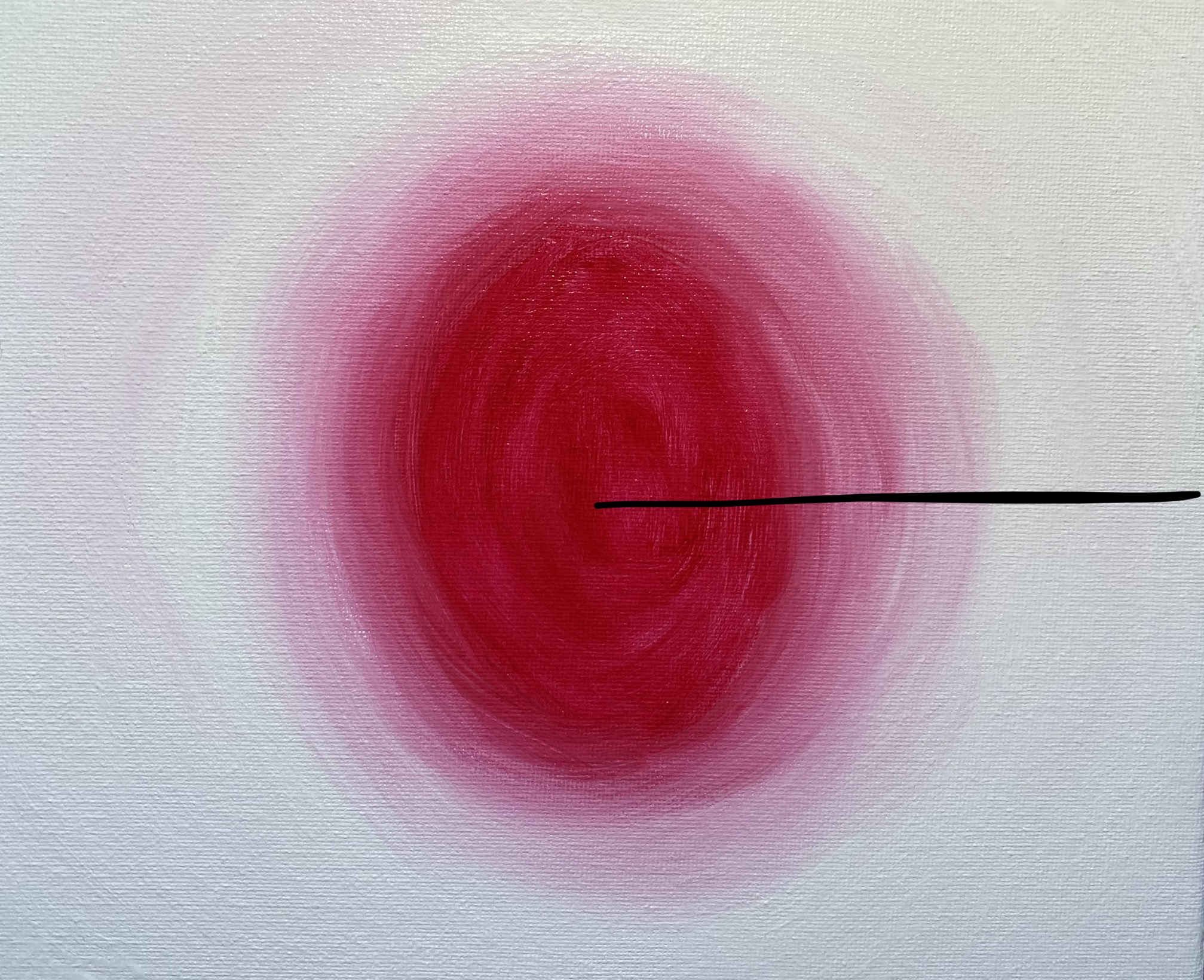
PARTICLES THAT FLOAT / image by Amalie Flynn
Michigan
Before the salmon-full, PUthe alewife-less, PUtropic blue Mussel-filtered water,
Was a green lake PUT_CCCCCCof indigenous fish.
A fishing industry.
Before that logging.
After eradication.
Before that trading.
Before that, words of people comprehensible over and around us –
Before most of ours – PUthat’s the take,
PUTif you’re wondering –
Describing the bounty. The ease of it.
The rise and fall Of waves on an inland sea, One of the great Cycle-keepers.
Let the gunk go down its gullet Is one way back to the true Inheritance of all that violence.
The other is to let The moist, rising earth – PUthe great Kankakee – Absorb – more than once more The particles that float about, PUand entomb them In some future peat.
New Poetry by Ben White: “Cleaning the M60 – 39 Years and January 26, 1984”
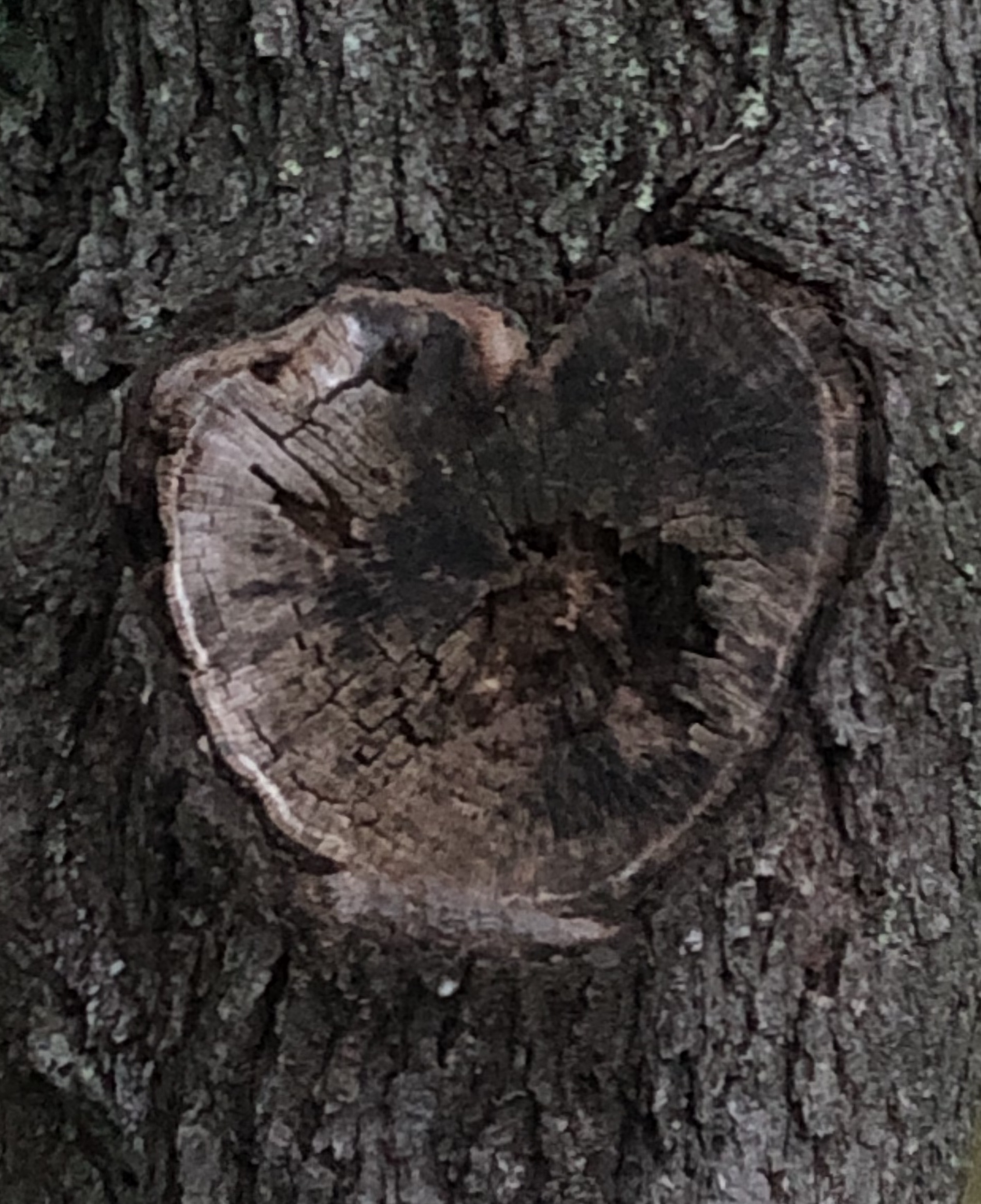
TO FLESH BONE / image by Amalie Flynn
39 Years
The death Of a soldier Was an accident, A waste – PUT_CCCCCCA shame, So the anniversary Is nothing to celebrate – PUT_CCCCCCOr forget
January 26, 1984
Back on the continent At the 1stand 51stInfantry – A battalion that doesn’t exist anymore – The Cold War was fighting a strange peace With weapons and tension Wanting to release a dimension PUT_CCCCCCOf battle prepared, PUT_CCCCCCTrained for, PUT_CCCCCCAnd ultimately expected While volunteers selected Stood ready in the West And along the borders PUT_CCCCCCAwaiting orders to mobilize When one cold January, Thursday morning Soldiers had to realize The power of 7.62 mm ammo Tumbling into the chest PUT_CCCCCCOf a brother in the band With manslaughter unplanned And wounds giving the medics An ambulance to ride in PUT_CCCCCCUntil the doctors PUT_CCCCCCAt theKrankenhaus Opened up the chest And showed them what One M60 round PUT_CCCCCCCan do To flesh, Bone, and what A few minutes ago Had been functioning, PUT_CCCCCCDistinguishable organs.
New Poetry by Kat Raido: “Blood Goggles”
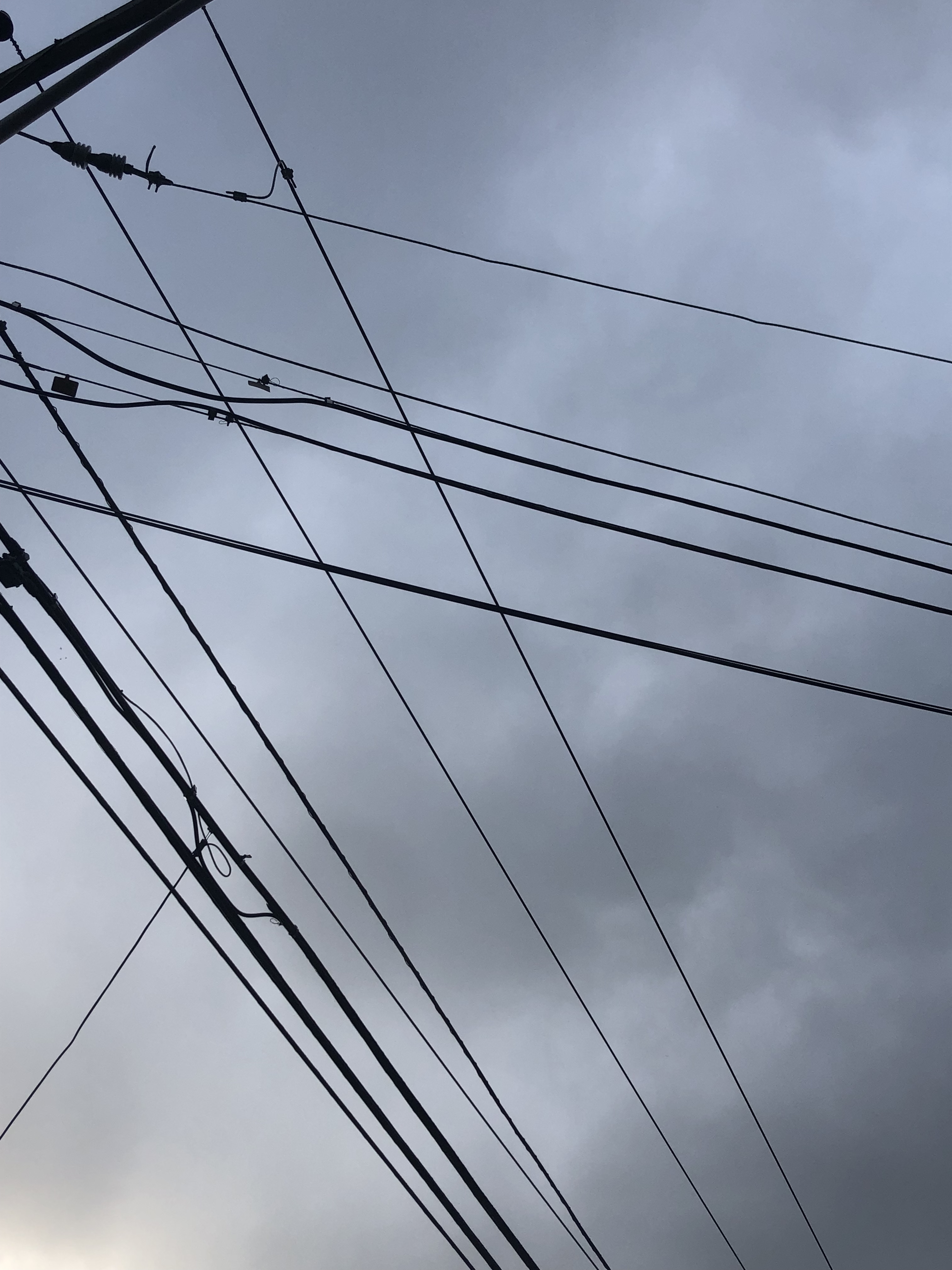
LICKS THE VEINS / image by Amalie Flynn
Walter Cronkite left footprints in the gravel of Saigon but he didn’t tell you their names didn’t show you the morning commute of an accountant in Hanoi
they televise bedsheets replacing blown out glass in homes of blown out people but not the Arab Renaissance Bookshop which opened its doors in 1966
fire hoses are used to extinguish human spirit courage licks the veins like flame and the only parts of war they can’t powerwash away are the bloody crevices under their own fingernails.
New Poetry by Amalie Flynn: “Strip”
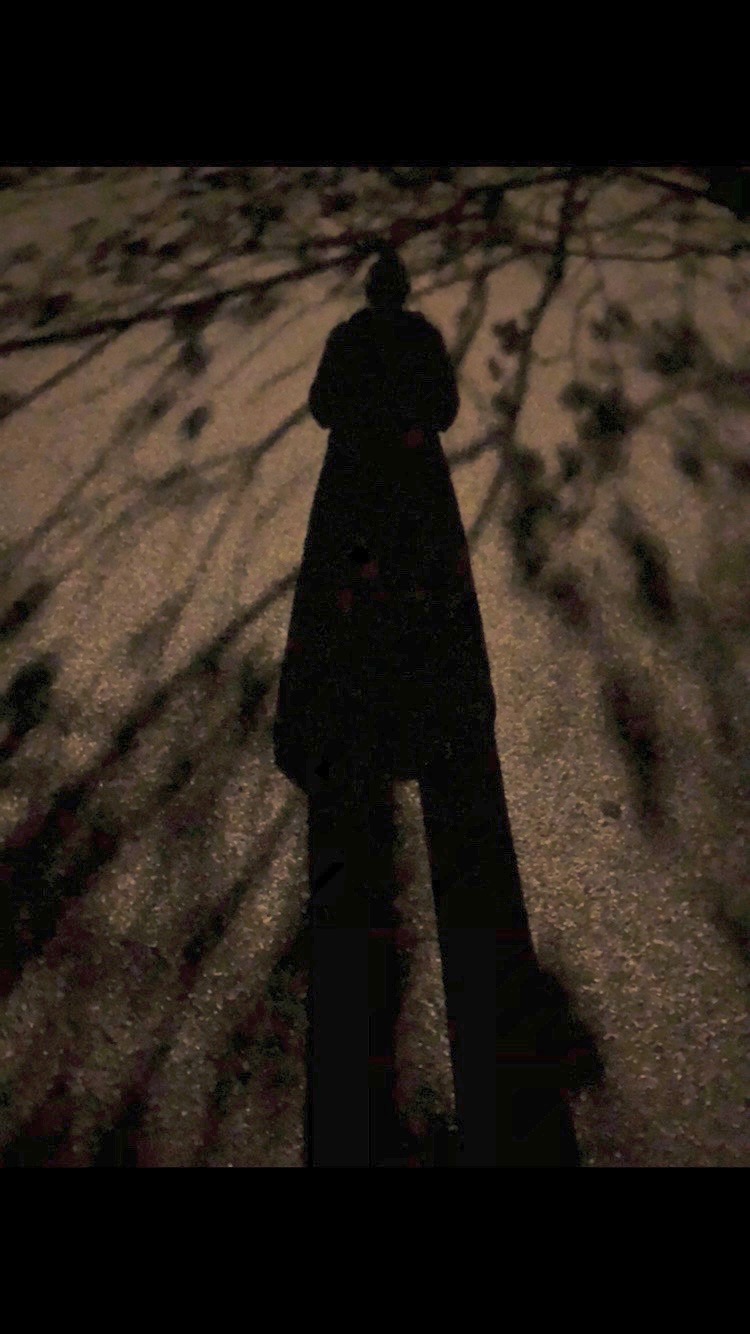
CROWN OF LAURELS / image by Amalie Flynn
Strip
On my computer screen terror
Attacks and kills and shifts into
What comes after
This strip of neighborhoods or
Houses a hospital hit
Like carved out carcasses of
Dust and dead bodies bloody
And gray bloated flesh
An eyelid stuck a skull cracked
Open
The close weave of a sweater
Knit into the charred skin
Of a child of a child of a child
How this happens
Again and again and again
Arms and legs twisted back
Or out of socket
How this cannot be unraveled
Because war wears
A crown of laurels made out of
Eye lashes tiny teeth
Dead lips a corsage of
Brain matter soft and shot point
Blank or bombed this
Bombardment
Of matter
What should matter but doesn’t.
New Poetry by Damian White: “Alabaster Clouds”
VOLUPTUOUS ALABASTER CLOUDS / image by Amalie Flynn
On the walk back from the d-fac
in Kandahar I almost peed in my uniform
pants a long way from home
we were laughing uncontrollably like other
things we could no longer control
having birthed two children each and left
them in someone else’s competent care.
Incontinent overseas
on a mother of a mission drilling
cavities filling them with a matronly
patriotic responsibility for health care
stones crunched beneath our boots
we stopped and bent over shifting
weapons we carried on our hips like kids.
We almost cried in the dark after dinner
absent from bedtimes reading
The Giving Tree aloud, sent
voice recordings stateside for storytime
my son and daughter heard
me reading, heard I love you
no laughing though.
Remember how tough we had to be
for babies to sit on our bladders for nine
months only to leave them four years later
promising to return once our tour of the war
was over we were bent on becoming militant
mothers chuckling again with our children
thank you for finding life funny on the way back.
New Poetry by Luis-Lopez Maldonado: “Virus Como Chocolate” and “Pancho Villa, Cesar Chavez y Luis Lopez Madonado”
YELLOW ORANGE RED DEAD / image by Amalie Flynn
Virus Como Chocolate
In the Dead of Summer I wake to every color but the black in my eyes the dry in my mouth the fake justice tattooed on a flag stars in drag locked-up in a box at the top-left: you see, we will continue to smile even without teeth without peace without the privileged never leaving our sheets because rainbow rainbow rainbow rainboi
In the Dead of Summer cotton linen nylon shut my mouth and I cannot swallow cannot sing cannot moan and on hospital beds others foam facetime the new normal birds running into the windows into reflection into sanitized jail where you cannot pass Go and collect $200 cannot stop it from coming and claiming what’s already dead: expiration date dripping off forehead dripping into IV bag into a collapsing body
You see, because China because virus because Trump the greatest country in the world is dumping dumping bodies like trash because no masks no beds no ventilators no vaccine: and winter into spring into fall into lockdown and I can’t tell the difference between water and chocolate anymore
Pancho Villa, César Chavez y Luis Lopez-Maldonado
Race floats back and fourth between us
because Amerikkka is still wrong, still shooting
our people from behind, raping us from behind,
pushing us to the side, brown bodies bruised like bats,
our lungs lives livers struggling to survive in the streets
whites claim as only theirs. Green trees turn
yellow orange red dead, and still we are the only immigrants
in this country no-where-togo-no-where-tohide-no-where-todie.
Siguemos peleando su batalla hermanos compadres.
Popular kulture is peachy as puke, candidates like Trump
trying to build a wall in our land to keep us out,
calling us rapists drug lords thieves and illegals:
But my tongue will never hide behind brown lips and I will
continue yelling fuckyou’s and chupa mi verga güey! I will
stand tall, gold crucifix wrapped around brown throat
and fist up towards heaven, pounding the sky with orgullo.
New Poetry by Sofiia Tiapkina: “To Forget or Not Maybe,” “Grasping the Sky,” and “Airless Embrace”
THE SILENT SKY / image by Amalie Flynn
to forget or not maybe
to forget or not maybe
to fight for memory or not
i’m here i’m she
lying on my back underneath me
blue cherries of bruises ten backs
all pierced by bullets all riddled
no one seems to cry here this defenseless death is unshared with any and all
i look around at people all around still people these old trees outside what a spring so wildly
blooms and dies with a scream
i rise from my knees or maybe just
think that i rise i was a teacher
what remains of the school now
walls shrubs suckle blood from the soil
i taught them to never
kill people and now
i’m face to face
with the killers of children hands and face changed the maples turned perfectly crimson too soon
broke my
spine and soul i would tell them if i still taught never kill anyone
i rise from my knees call out to god
god i accept everything i
understand the end of life
i accept it i am desecrated
why do you punish me
with this life
after death
Grasping the Sky
Inside us: a piece of
sky, blue and rusty,
smelling of winter and
gunpowder.
Who will see us as we crawl, chasing
the shadows of the clouds?
She reanimates the land.
The bombs, and bullets, and bodies took
its breath away and send it straight into cardiac arrest.
The scars of war are on her palms and tongue,
but she keeps going because without the land,
her heart will stop, too.
Land—земля—zemlia: a greenplace, a birthgiver, our bread.
She puts her hands around it and tries to close off
the wounds of horror and destruction and
deathdeathdeathdeath
that the inhumans opened with their hungry teeth.
Sometimes, when the blood stops rushing through her ears
or between her fingers,
she hears the echo of “brotherly nations,” “local misunderstanding,”
“child actors.”
The land moans under the weight of
countless bones.
We carry no
prophecies under our skin.
The silent sky
floods our mouths.
Who will hear us climb up
the lifeless mushrooms?
He rebuilds the house.
A new foundation in place of his ancestors’
home built with tears. The missile took
the walls, but the kitchen table is still
standing in the middle.
House—будинок—budynok: a warm place, a safehold, our nest.
He drinks tea at the kitchen table.
One year anniversary,
he feels the explosions
reverberating through his ribs.
His daughter would have turned three.
His wife would have put a pot of
lilacs by her crib.
He drinks tea at the kitchen table of a murdered house.
It’s hot and bitter, and for a minute, he forgets
a new future of new houses with
no one inside.
Everything we wanted
was in the sound
of the sky without
the stench of corpses.
Who will remember us if
the task ahead will take a generation?
They reconstruct their homeland.
Too many questions, too little time: where
do they fit between now and then;
how do they embezzle millions yet fight corruption
as never before; what are dignity and justice and fairness
if the debris of a shelled hospital hide
the broken pieces of mothers and newborns.
Homeland—Батьківщина—Bat’kivschyna: a free place, a seeing glass, our hope.
They won’t live to see it without blood and tears
soaking its black ground. How do they repair machine-gunned hearts?
How do they rebuild a cracked-open sky?
They reconstruct their homeland as the bombs
try to bring them to their knees. Too many
questions, too little time. But the question,
“Will we live?” is not one of them.
Millions of hands breaking the chains
shout the answer louder than
air raid sirens.
Inside us: a whisper
of summer, when sunflowers
grow from the ash.
Who will catch the birds
pecking out a path between
the sky and wheat fields?
No one. Our wings hold the glory of freedom.
airless embrace
i miss you like i miss the sky
cold so painfully blue
angels must have
dripped blueberry juice
from the clouds
i want to tether myself
to the sky-whispers
embrace them bury my
face into their warmth
but it doesn’t make you here
i stalk the shore scooping
up birds beaks
black with blood
you used your skirt
to wipe off the
red from their feathers
why did you
let go
the earth drinks soot
i’m thirsty for
the sound of
your smile
under the winter sun
on the shore
i pick the nightingales
curl my toes to find
the damper sand
the soft homes of crabs below
i hold the memory
of your hair
between my fingers
i miss you
until i fly out of
the soil’s arms
and the sky
catches me
in its thousand
blue hands
New Poetry by Steve Gerson: “Our Prayers”
TEETH MUZZLE SPIT / image by Amalie Flynn
Our Prayers
where are the shields /we need/ to stop the blast of bullets Glock and AK assaults? that overwhelm the blue in our veins? that enter our brains our schools the bodies of children with unicorn backpacks? that enter our workplaces inundated with anger our streets with late-night drivebys? church service blood spattered bibles shredded commandments torn as if by raptor teeth muzzle spit? while senators say our prayers are with you?
New Poetry by Luis Rosa Valentin: “Desperate Need of Help”
New Poetry by Jennifer Smith: “So This is My Career?”
BLANK AND CONFUSED / image by Amalie Flynn
So, This is My Career?
Ecstatic to deploy, I qualify on 9MM handguns—
Battle ready Air Force lawyer to defend both Iraqi and Enduring Freedom
Engineers advance to the front lines:
spend billions, move like lightning, build tents, site trailers,
provide food, water, and air conditioning. Our soldiers’ beddown
enables our fight for Oil
Sign off on this funds request, the Engineers demand
What is our mission? I ask
Make the Afghans modern, the Department of Defense
replies. We will build 200 police stations, use a US blueprint
to cut costs. The villagers can reign in their warlords
What do the Afghans want? I ask
The US Generals look blank and confused
the second-floor bathrooms flood—the
Afghan soldiers’ Islamic practice of making wudu requires them
to wash their feet in waist-high sinks before praying salah
I fly in a contractor’s Russian MI-12V-5 helicopter to inspect one remote station
for future construction claims. Are there any? I ask
We bribe the local warlord—to keep the peace, the Lieutenant says in a whisper
New Poetry by Jim Kraus: “Amphibious”
ABOUT TO DISAPPEAR / photo by Amalie Flynn
AMPHIBIOUS
In Hokusai’s “Kanagawa Wave,” the boatmen
look like a school of masquerading fish
about to disappear into the vast trough between waves,
the scene a masque for the knowing seascape.
Underwater, Ahab,
pinned to the great white
creature, like a wave that has
disappeared into silence.
In memory’s slow dancing,
flesh now dissolved,
seafloor muck covers bones
and shark-tooth nodules.
Out of the bubbling methane,
Ahab is reborn with tripod limbs
and tiny feet, the wooden leg
now a trail of seafloor slime,
amphibious.
New Poetry by Todd Heldt: “This Is A Drill, This Is Only A Drill” and “Suffer The Children”
ACTION IS PRETTY / image by Amalie Flynn
This is a drill. This is only a drill.
They voted to abolish history.
There had been no commercials.
We didn’t know which wrong to fear most,
and nobody got the joke.
When the polls ran out of ballots,
somebody hurled a beer bottle
through a church’s stained-glass window.
Peace officers deployed
pepper spray for the white kids
and bullets for the black.
You should expect to see things
like this in democracy. Because
the cost is always
what the market will bear.
We all went home or to jail,
or to hospital or morgue, grateful.
America in action is pretty,
the Blue Angels swooping in for the kill
as spectators cheer from the beaches below.
We don’t even know who we are fighting.
Someone is crossing himself.
Someone is crossing the border.
War is just how we learn geography,
and someone scaled a wall
to pick your corn. Good people
are unarmed and
defenseless in church,
and no one will tell us straight
which group of not us we should bomb.
Suffer the Children
12000 kids in detention
300 shot dead in their schools
200 bombed by drones
the ones we don’t know to mention
and the ones the future will starve
my two who are safe in their bedroom
who cry when they are scared
New Poetry by Justice Castañeda: “There Will Be No Irish Pennants”
PRESSED AND WITHOUT / image by Amalie Flynn
There Will Be No Irish Pennants
“Discipline organizes an analytical space.” [1]
Field Day & Inspection.
Windows shut blinds open half-mast. Sinks will be bleached, faucets are to be
pointed outward, and aligned. The toilet paper roll will be full. The shower handle
will be left facing directly down towards the shower floor. Waste basket will be
empty, cleaned out with no stains or markings, set between the secretary and the
window, where the front corner meets, farthest from the door.
Beds will be made showing eighteen inches of white; six beneath and twelve above
the fold. The ends will be neatly tucked at a 45 degree angle. One pillow will be
folded once and tucked in the pillow case.
A shoe display will be at the foot of the bed and will consist of one pair of jungle
boots, one pair of combat boots, go-fasters and shower shoes, in this order. All
laced left over right.
Each lock will be fastened on each locker and secretary, all set to ‘0.’
Inside one wall locker, hanging up there will be: one all-weather coat, one wolly
pully sweatshirt, one service ‘A’ blouse, two long sleeve khaki shirts—pressed
with the arms folded inward, four short sleeve khaki shirts, three cammie blouses,
two pair of green trousers, three pair of cammie trousers, and one pair of dress blue
trousers, in this order. All shirts will be pressed and buttoned up. All trousers will
be pressed and folded over. All clothing will hang facing right. All hangers will
face inwards, separated uniformly by one inch. On the shelf inside the locker,
starting at the inner most edge, there will be six green skivvy shirts and three white
skivvy shirts—folded into six-by-six squares, six pair of underwear folded three
times, six pair of black boot socks, folded once.
The markings will be last name, first name, middle initial, stamped on white tape,
no ink spots or bleeding. All collared shirts will be marked centered on the collar;
on all trousers and belts on the left inseam, upside down so when folded over they
read right side up. On all underwear markings will be centered along the rear
waistband. On all socks markings will be on the top of the left sock. All covers
will be marked on the left inner rim.
On top of the wall locker covers will be placed, from left to right as staring at the
wall locker, one barracks cover with service skin, one piss cover, one utility
cover—pressed and without Irish pennants.
Irish pennants are not permitted.
Stand up straight. Arms to your side, thumbs along the seams of the trousers,
shoulders back, chin up. Heels and knees together, with feet pointed outwards at a
45 degree angle.
Eyes. Click.
Ears. Open.
Attention.
[1] Michel Foucault. Discipline and punish. 143
[2] Two faucets in each barracks room.
[3] Irish Pennants are loose threads or strings coming out from the stitching.
New Poetry by Carol Everett Adams: “Rabbit Trails”
THE TEXAS DUST / image by Amalie Flynn
RABBIT TRAILS
in the Texas dust. We’re flat in the dirt
so we can poke around down there with a long stick,
while above us bullets fly and children
hold up their honor roll certificate shields.
You say blankets are the answer,
and backpacks and better officers and armed teachers
and doors that shut like Vegas vaults to keep your money safe,
keep your money safer than my child.
I forgot what we were talking about.
New Poetry by Corbett Buchly: “Messages from Below”
SWAM AMONG STARS / image by Amalie Flynn
messages from below
the radio signals emanated from the depths
commuters puzzled over the whistles and squawks
that cut through their favorite programs
cryptologists went to work
but the waves soon turned to beams
tunnels of coded energy
aimed not at humans
but at a point somewhere near Wolf 359
first assumed to be a submarine human colony
but scans showed no excess carbon emissions
so dolphins were next guessed to be the cause
no one suspected the humpbacks
as the oceans acidified and the air warmed
the whales were busy
at last their solar ships rose from the sea
and the whales ascended
as if rungs laddered from deep to deep
born of the sea they swam among stars
New Poetry by Jehanne Dubrow: “Poem for the Reader Who Said My Poems Were Sentimental and Should Engage in a More Complex Moral Reckoning with U.S. Military Actions”; “Epic War Poem”; “Tyrian Purple,” and “Some Final Notes On Odysseus”
PLUM OF GALAXIES / image by Amalie Flynn
Poem for the Reader Who Said My Poems Were Sentimental and Should Engage in a More Complex Moral Reckoning with U.S. Military Actions
Today I didn’t say divorce PUT_because I was sickened by PUT_CAAAAAAAAAAAAAAthe news
from Afghanistan, translators and their families PUT_CAAAAleft waiting at the gates,
while American personnel PUT_CAAAAAAAAAAAAAAAAAAlifted off
in the wide indifference of their transport planes.
I said divorce because PUT_I hadn’t made room PUT_AAAAAAAAAin the cabinet for my husband’s things,
and he was angry PUT_CAAAAAAAAAAAAAAI did not leave
a vacancy for what he carried home from war.
I was tired of him PUT_stacking bowls PUT_AAAAAAAAAon the top rack of the dishwasher,
a policy PUT_CAAAAAAAAAAAAAAAAAAI can’t abide
when the lower rack is an open country PUT_waiting to be washed clean. PUT_CAAAAAAAAAAAAAAForgive me, reader,
for the weakness PUT_AAAAAAAAAof my marriage.
I didn’t say divorce PUT_because my husband would rather a drone PUT_CAAAAAAAAAAAAAAhover above
a wedding procession, PUT_CAAAAAAAAAAAAAAAAAAthe party far below,
embroidered dresses glinting, small mirrors sewn into the hems.
He prefers the drone PUT_fire from a distant, unendangered screen. PUT_CAAAAAnd I believe
killing should come PUT_CAAAAAAAAAAAAAAwith a risk of dying for the killers.
But that’s not why I said divorce. PUT_CAAAAAAAAAForgive me, reader, for the poems
of shelf space and kitchens. PUT_CAAAAAAAAAAAAAAMarriage is not
two ideologies fighting at a table, PUT_CAAAAwhile the soup goes cold
on the spoon. PUT_CAAAAAAAAAAAAAAAAAAMarriage is two people PUT_CAAAAAAAAAshouting about spices,
the ordering of jars—by alphabet or continent— PUT_CAAAAAAAAAas if everything depends
on an ounce of turmeric fading PUT_CAAAAAAAAAAAAAAunder glass.
Perhaps, I said divorce PUT_for all the wrong reasons. PUT_CAAAAAAAAAAAAAAAAAAForgive me
for scrubbing the pot with a bristled brush. PUT_CAAAAAAAAAAAAAAMy fury
at the gold-stained enamel
is almost the same size as my rage PUT_CAAAAAAAAAthat somewhere a helicopter
strikes on civilians in the dark. PUT_Forgive my sentiment. PUT_CAAAAAAAAAAAAAAAAAAAll I can do is keep scraping
the dried burning from the pan.
Epic War Poem
What else but a soldier raging
by his shield. What else but the dutiful.
What else but a battle muralled on a wall,
and Troy a piece of artifice to gaze upon.
What else but the voice a garment
shredded in its grief. What else but ash.
What else but men on wooden ships for centuries.
Their keening is an arrow to the throat.
What else but kings. What else but
the trebuchet of years. What else
but sawbuck fences leaning near a field.
What else but America. What else but
daguerreotypes, a line of corpses posed
within the frame. What else but the guns.
What else but the trenches stuck with mud.
What else but modernity and the long
parade of after. What else but cinders
mixed with milk while the gone are drifting,
processed into smoke. What else
but the skirmishes of scholars,
that language is too little and too much.
What else but brief eras of indifference
when the dead are left alone. What else
but the forged and hammered thing
of poetry, all the failures of our making.
What else but the litany of bombs.
Tyrian Purple
Please, understand: to heave Hector
through the dirt, Achilles must first
cut holes in his enemy’s heels,
Hector threaded like a needle
with leather cord and tied to a chariot
that will pull him around the walls.
Imagine a body strong enough
to be strung like this. Imagine such
stitching is an art, and we call it battle.
Andromache deep in the palace
is weaving a cloak on a wide loom,
wool like the amethyst shadows
beneath her eyes, that vivid sleeplessness.
She’s tacking flowers to the fabric
when she hears the weeping everywhere in Troy.
The bobbin unspools from her fingers
because the warp is a place of order,
and death the cutting shears.
It’s understandable why Andromache
would sit at the loom for hours,
rectangular world where nothing extends
beyond the cloth’s perimeter.
At this point in the war, everyone has lost
the thread of narrative, any reason
beyond armor and the carrion birds
with their beaks like sharpened secateurs.
Who wouldn’t want to take up some craft,
pottery, perhaps, or painted scenes
on funerary stones. Don’t hands need
occupation when the city is besieged.
Probably, a reader believes it frivolous—
these fibers dyed the plum of galaxies,
all that great, oppressive sky
and the murdered looking down
from their fixed constellations.
Even Andromache finds a pastime.
It’s late in our history to condemn
the ways people spin out a war,
how they twist the days like fibers
on a spindle. Imperial purple.
Purple of bruised loyalties. Unfadable
purple that stains the maker’s skin.
SOME FINAL NOTESON ODYSSEUS
Ithacans! Stop this destructive war; shed no more blood and go your separate ways, at once! – The Odyssey, 24.531-533
When the goddess cries out,
her voice is a mountain against
the fighting. But the old soldier
keeps running—war like weather
in his ears, a summer storm,
in his pulse the tossing waves.
At such a time it is difficult to see
Odysseus was a child once.
He learned from his father
the names of trees, the orchard
full of gleaming suns called apples,
the private ripeness of figs, grapes
clustered like families on the vine.
He touched their dusty skins.
Yes, even he had been a boy
who held a wooden sword,
the shadows creeping on, and
they lengthened with the night.
There are decades of water,
islands and islands between
that child and the man.
The body is said to harden,
the heart of course as well.
For someone like Odysseus anger
is an unrestricted flame.
When the goddess cries out
she is saying, worship reason
instead. But it takes her own father—
a god and his thunderbolt
—to cut through the battle.
Stop this war, he says.
According to the story, Odysseus
lays down his weapons then.
And what then? What then?
Poems always end before the peace,
the orchard overgrown now.
No one wants to read a scene
of the old soldier pulling weeds,
pruning the wildness back, his arms
still strong but not with violence,
and the air no longer stings
like lightning touching down.
No one wants the old soldier slicing
a plum the way he used to take
his dagger to the belly of a rival,
the war that fed him once a taste
he barely can recall. Most nights
his chin is red and syrupy with juice.
New Poem by Sandra Newton: “Naught”
PIROUETTE OF WORDS / image by Amalie Flynn
NAUGHT
There is naught to be done for it:
We are over
As the ocean is over its attraction
And is now crawling
Back from the shore,
Having fucked it thoroughly.
We are done
Like steak on a grill,
Sizzling and aromatic,
Waiting to be devoured.
We are finished
As a wood floor sanded to undeniable
Smoothness and shine,
A surface of beauty concealing
The pitted underbelly of it all.
Or like promising to explain to others
What happened to us.
Over, done, finished,
Is all we need to say
Or want
While the gifted interpreter
Turns a pirouette of words
And keeps you safe
With her basket of naughts.
New Poetry by Sharon Kennedy-Nolle: “Soundings”
HOLE IN ME / image by Amalie Flynn
SOUNDINGS
Things,
your black b-ball shoes,
loose-laced, open-tongued,
curse one corner;
your books, benched, titles turned down;
your trophy array, glitterings speechify
—steering far from the sirenic
roar of your closed room—
The tulips drip,
yellows slackening,
some randomly red-lined
with a quirky genetic scrawl,
into a drinking glass
you left …
Listen, all I can do
is endure for a word
in edgewise.
However I heave and haul,
the lines come back hooked empty.
So fuck it,
boots, shoes, shirts, books
Throw them all in
the hole in me,
landfill in
free fall
spiking off
the split bark of winter trees
down fire-escaped stories
through the uneasy laps of whitecaps,
to thud some sandy bottom
where you came to tossed rest.
Such depths, no fathoming?
New Poetry by Lisa Stice: “Our Folklore”
FIND MYSELF LOST / image by Amalie Flynn
Our Folklore
Long ago, you were molten rock, and I—
well, I spoke the language of bears.
But now that I have been out of the forest
for so long, all the words and grammar escape
me, and I often find myself lost. And you—
well, you are often mistaken for a statue
in this solid state. No more rumblings and
agitations. We are both quiet these days.
New Poetry from D.A. Gray: “Cactus Tuna”; “We Return from the Holy Land. God Stays”; and “Reverse Run”
FARMER OF ROCKS / image by Amalie Flynn
Cactus Tuna
A semi-sweet taste
of watered-down nectar
bleeds out from the prickly
pear nestled PUT_Aon a crown of thorns.
In the desert you once
sneered over rifle sights
at the farmers drawing PUT_Arakes over the sun-
baked ground, and now, PUT_Aas atonement
you’re a farmer of rocks
and what comes with them.
Stained fingers tear through
leathery skin. Sometimes you
forget you’re standing
alone in a cactus patch PUT_Ared trickling down.
Grace is not this –
living on what grows where
nothing had a right to grow,
seeds fine as sand PUT_Ahide between teeth.
And crows, refusing to starve,
land unafraid, pick through
the rinds, eat, take flight
scatter seeds on rocky places PUT_Aand among thorns
even on tops of walls,
and maybe it’s resilience PUT_Aor spite
something finds purchase here.
We Return from the Holy Land. God Stays.
The mystery is often in the gaze of men
and women waiting for the sky to speak.
We used to spend days in the desert
waiting until the sky whistled and then
we wished we hadn’t.
Someone’s former
home, now sharp edges of cinderblock
cut upward through our soles. We kept
walking through the desert; everything
radiated, catching us in the crossfire.
* * * * *
We spend days in the Hill country
beneath a blistering sun, a clean sky,
traces of blue that have faded,
burnt off but for the edges by noon.
‘Say something,’ we shout in our minds,
looking up as if it’s God. Eventually
the sky speaks in the language of wind,
fear fills our hearts. Still, we knew
it would be this bad, yet wanted so much
to feel something – until the moment we did.
Run in Reverse
In dreams the ball bearings and nails and flame
are sucked backwards out of the truck, along
with the screams, and the shrapnel enters
The IED, a makeshift paint can half buried in sand.
The boy’s face heals, his body slides back
into the passenger seat and after a momentary
glare at this pained country he turns and smiles
at the driver. It’s a calm hundred-degree morning
and the Baghdad street is filled with shoppers
carrying bags, laffa bread, eggplants poking
out the top, Turkish vendors serving doner kebab,
their angry looks toward the truck
have softened now and they’re joking.
***
Some days walking with my wife, I turn,
walk backwards just to say something silly.
It’s that moment that seems truest. She is
looking at what’s to come just beyond my shoulder,
no regrets about the past, and I’m trying to hold
on to what we left, moving against my will
into the future blind, the scene I’m trying
to make sense of, moving farther away.
New Poetry from Tanya Tuzeo: “My Brother, the Marine;” “My Brother’s Shoebox;” and “My Brother’s Grenade”
WAR HAS DONE / image by Amalie Flynn
my brother, the Marine
the recruiters come weeks earlier than agreed—
arrive in alloy, aluminum with authority,
military vehicle blocks our driveway
announcing to the neighborhood
they’ve come for a boy here
who will have to go—
though he sits at the top step
and cries
i follow them,
strange convoy to Staten Island’s hotel
where all the boys are corralled—
farmed for war, becoming weapons
of mass destruction
when before they picked apples
at family trips upstate
a hotel lobby—last stop before using lasers
to blow off golden domes,
silence muezzins in the crush
of ancient wage and plaster—
Hussein’s old siberian tiger left thirsty,
watches other zoo animals
being eaten by the faithful—
just like a video game
i clamp onto my brother
beg him not to go, we could run away
he didn’t have to do this—
recruiters quickly camouflage me,
am dragged outside—my brother lost
did not say goodbye
or even look at me.
my brother’s shoebox
the room across the hall is inhabited again,
home now from another tour
like sightseeing from a grand canal
where buildings are art
and storied sculptures animate street corners—
my brother returns a veteran.
i want to remember who this person is,
or at least, find out what war has done.
he leaves with friends to drink—
that is still the same,
later tonight
he might howl at our parent’s window
or jump on my bed until the sheets froth,
uncaring and rabid.
but i don’t wait for him to come home
and begin searching the room
that is his again.
it is simple to find
where people hide things—
a shoebox under his bed
that wasn’t there all these years
furrowed by sand
and almost glowing.
i open to find drugstore prints,
rolls of film casually dropped
for a high school student to develop—
silver halide crystals take the shape
of shattered skulls
goats strung and slit
a school made of clay
blasted in the kiln of munitions
“KILL ZONE” painted across its foundation—
each 4×6 emulsion a souvenir
of these mad travels,
kept to reminisce and admire.
my brother’s grenade
my brother’s room in our family vacation home
has embossed wallpaper, indigo or violet
depending on the light that filters through the mountains—
and his grenade in the closet.
i saw it looking for extra blankets,
thought it was an animal resting in eiderdown
kept by my mother in one of her tempers
but it didn’t move
and so
i picked it up.
inhumanity held beneath iron’s screaming core—
a pleasant weight,
like the egg i threw across the street
detonating onto the head of boy
who said i kissed him but i didn’t,
is it like that for my brother?—
fisted mementos of thrill?
seasoned by cedar sachets,
neatly quilted metal shimmered as i turned it
forbidden gem, his holy relic—
i placed it back in the closet and began making dinner,
said nothing.
the slender pin preserves this household
where our family gathers
unknowing a bomb is kept here—
my brother roasts a marshmallow
until it catches fire, turns black,
plunges into mouth.
New Poetry from Sam Ambler: “Gnats” and “Made Him Strong”
OUR STRUGGLING LIMBS / image by Amalie Flynn
GNATS
Evening fire sparking over Sutro’s rim,
igniting cirrus dragons drifting away from the sun.
Jules and I, enthralled.
Sitting placid on the stoop outside our home.
Cuddling.
They swarm out of the alley from behind.
Catching us. Latching hold onto each
of our struggling limbs.
Like gnats they buzz: “Faggots!” Stuff socks in our mouths.
Drag us to dark playgrounds, the depth of sandboxes.
Fists in our faces. Cleats. Blood. Pipes.
Bone splinters under their boots.
Cold chains gird my torso. Handcuffs biting wrists.
One yanks my hair back: “Look what happens to motherfucking queers!”
They rip Jules’ pants apart. Jules’ teeth buried in cotton.
Fingers splayed, broken. Knees popped out of sockets.
Ass opened.
Laughing. Noses dripping.
One forces my eyelids like a glassless monocle.
Jagged bottle crammed past Jules’ sphincter.
Jules passing out.
Leather circling around. Beating shafts of meat.
Ejaculating on Jules. Laughing.
Jules coughing. Crawling.
As they flit past his sod-bed,
Jules swats at gnats.
MADE HIM STRONG
From an early age, he knew he was not, could not be,
like other boys. He was fine with that. It made him strong.
New Poetry from Shannon Huffman Polson: “On Orthodox Easter in Mariupol”
BETWEEN THE CRACKS / image by Amalie Flynn
On Orthodox Easter in Mariupol
We finished our jelly beans
red and yellow, purple, green,
the last bite of chocolate, unaware
that over in Mariupol
on this most holy day
sleepless mothers cradle children
on a steel factory floor.
Christ is Risen!
But in Mariupol people lie crushed,
the crossbeam too heavy,
cold factory chimneys rising cruelly
against the grey sky.
Nobody steps in from the crowd
to carry the cross.
There is no crowd
but circled tanks
in Mariupol.
Where is the Risen Christ
in Mariupol?
Outside the factory
mud is drying, small flowers
pushing up
between the cracks,
the birds returning, unaware
that inside people wait
in darkness,
the factory made for steel,
not people—
they sit
in vigil,
waiting.
New Poetry from Nidhi Agarwal: “The Goddess Incarnates;” “Cow Dust Hour;” and “Emancipation”
WEIGHT OF DUSK / image by Amalie Flynn
THE GODDESS INCARNATES
At midnight, on a seat of five skulls
I worship the slayer of illusions,
The Maharaja (King) gifted me thirty – three
Acres of rent – free earth, (1)
I have planted seeds of your devotion (Bhakti)
In the soil of my bones to perform corpse rituals.
The world calls me mother – crazy and love – mad,
Your status comes alive in my skeleton,
Oh, Mother Kali! Tell me
If the Goddess incarnates.
– Ram Prasad Sen
COW DUST HOUR
I dwell on the ferocious cremation grounds
Yearning for my Mother Kali!
She carries waxing gibbous on her forehead,
The Sun grows larger in her right pupil,
The Moon drips from the two corners of her left eye,
She burns the demons in the catacomb of her three eyes.
You cannot carry her consort in your palm,
He keeps her love and fury in the ocean of his heart.
I am restless, this longing to meet my
Mother will swallow me.
Oh, Mother! I have transposed to a ghoul
Your disciples are my friends now.
They claim,
Between the day and night –
When twilight rises to the throat of the sky,
The hours of Sun and darkness make love,
There is no period of half – light,
I will meet you at,
The time of Union.
EMANCIPATION
My eyes brim with the weight of dusk,
Emotions conflagrate in my heart
Burning the corpse without fuel.
This dawn I am returning to my house
To constellate my belongings.
The entrance is clouded by the
Scattered scars of my childhood,
Every drawer is sealed with the secrets of
My disappointments.
Today, I let go of my failures and rise
From the floor,
As soot rises from the throat.
With every effort to clean the house
My spine travels to the nucleus of my brain
Showing me the way to the bedroom.
At the bedroom’s door,
I stand startled by the view.
The Mother Goddess is coming together
With the God of Mountains,
Consuming my form and liberating me
From prison.
New Poetry from Jeffrey Kingman: “Matriarch,” “Josephine Marcus Earp,” and “Marching: Sophia Duleep Singh”
OCCASION THE BELLY / image by Amalie Flynn
MATRIARCH
ninth great-grandchild
spits up peas
seventh and fourth
declare themselves winners
I bundle the children into categories
high-shouldered daughters gobble minutes
trikes in the hallway
my sidewinding wisdom
laughs into a hanky
why is it I depend on the perpetual
tweed skirt
try reading
a mother
nursing triplets
attagirl
I suppose getting it right doesn’t matter
pull the flowers from the earth
an isolated pea is a tiny thing
JOSEPHINE MARCUS EARP
cowboys were the bad guys PUone cow hides behind the last one
it was a bad sum PUinaccuracies plus chickens
instead traded on horse hooves
kicked up dust and stray dogs
she wanted to be PUtaken seriously
staked instead a vagabond
her husband’s posture straight to the sky PUpointing now to the headboard
the tombstone didn’t think of her
left with her own version
they rifle through the undergarment drawer PUfor the sheriff’s girl
MARCHING: SOPHIA DULEEP SINGH
voice rattles
a high window
the lyric ricochets
then straightens PUUUUUto the upper register
breath comes
from the diaphragm
for the belters
on occasion PUUUUUthe belly
trailing skirts out of fashion
wives sing wild
wrapped in bedsheets
to jump from a crawling baby PUUUUUUUUUUUUUUis not a dance
talk of a women’s parliament
words are for lemmings
feet do the work
until the pointlessness is stiff limbed
dogged bobbys
the street scuffle an avant-garde PUUUUUUUUUUUUUUUUUUUballet
she fell down during the struggle
mud on her dress
New Poetry from Laura King: “Orange”
MY ACIDIC PAST / image by Amalie Flynn
ORANGE
It’s June, and a few stubborn ones
still hang on the trees.
We stand on the back of the pickup to pluck one—
so easy to peel, this old girl the sun has sugared
since December’s sharp tang.
Now it’s sweet as honey, sweet as candy,
sweet as that boy child
who wrapped himself up in his binkie,
his raw thumb firm against his upper palette,
who sat on the stairs facing the wall
because I’d snapped at him again.
Why was I upset all the time?
Though everyone forgives me, no one forgets
my acidic past; bright orange, raw rage.
New Poetry from D.A. Gray: “Our Backyard Apocalypse”
EARTH SLIP THROUGH / image by Amalie Flynn
Backyard Apocalypse
We set small bowls of sugar water
on the garden’s edge. Bees were scarce
since the freeze which had almost finished
what the pesticides had started. Still,
some survived. PUT_CHARAWe studied the blossoms
of plants, the parts we’d ignored before,
of squash, and peppers, and eggplant
and others. We moved pollen from one
bloom to the next with fine paintbrushes,
working early while the roof still blocked
part of the sun. PUT_CHARAIt was unseasonably hot
that year, much like other years,
and we walked on the cracks that formed
in the dirt. PUT_CHARAWas a time when the sweat
of our brow, the smell of our bodies,
made us keep our distance, wanting
showers before contact. PUT_CThen, something changed .
We began to walk, dirty hand in
dirty hand, lingering in our dry
garden even when the heat rose.
There was so much more to lose.
We could feel the earth slip through
our fingers, still we held tight,
we would carry all that we could.
Poetry from Eric Chandler: “Hetch Hetchy”
THERE’S A DROUGHT / image by Amalie Flynn
Hetch Hetchy
There are two signs on
The towel rack.
One says, “cozy” and explains that
The towel rack
Heats your towels.
It’s next to the switch
That fires up
The electricity to the towel rack.
That fires up
The coal fired power plant.
The power plant
Sends up the gas.
Is the drought because the power plant
Sends up the gas?
Either way, there’s a drought.
I looked down through that gas at the
Hetch Hetchy reservoir.
White bathtub rings surround the low
Hetch Hetchy reservoir
Because of the drought.
The second sign on
The towel rack
Says they won’t launder what’s on
The towel rack.
Only what they find on the floor.
All the water in the city comes from
The Hetch Hetchy.
They’re conserving water from
The Hetch Hetchy.
They hope you won’t mind.
Enjoy your hot towels.
“Hetch Hetchy” previously appeared in Eric Chandler’s book Hugging This Rock
New Poetry from Lisa Stice: “Water Cycle”
SMALLER WE ARE / image by Amalie Flynn
Water Cycle
No matter where we are, the oceans
meet us in some form. PUT_CHARAAAAAAAAI am small
and my daughter (who is only eight) –
is even smaller PUT_CHARAAand still, our dog is smaller
yet, then there are those microscopic zoe-
and phytoplankton PUT_CHARAAAAAand the not so micro
fish that eat them and so on PUT_CHARAAAAAAAAAAAand once again,
oil casts a poisonous rainbow on the Pacific.
Optimism is difficult to catch these days—
evasive like a baitfish PUT_CHARAAAAAAit’s so small, and we’re
so small, and the smaller we are (like my daughter
who is eight), the more we truly believe PUT_CHARAAAAAAAAAAAAAAAAAAAthis can’t
happen again.
New Poetry from Ben Weakley: “Beatitudes I,” Beatitudes II,” “Beatitudes III,” “Beatitudes IV”
THE BROKEN SKIN / image by Amalie Flynn
Beatitudes I.
The Lord blessed us with knowledge. Twin curses, good and evil.
Why else plant the luscious tree there, where we were bound
to find the fruit? The purple and shivering flesh never lacks
in spirit. The ache and growl of our naked bellies are the price
for the moment’s delight. So, we gorge and the juice drips
sticky down our chins. Let angels have the eternal heaviness
of paradise; ours is the moment. The act, willful and with intent.
Advised of the penalties. Done poorly. Knowing
this kingdom cannot last. Looking beyond the gardens
for a more convincing view of heaven.
Beatitudes II.
Are we not also blessed, we who praise PUT_the clear night and its silence?
Betrayed by the absence of stars, we mourn PUT_a billion-years’ light no longer burning.
We whimper at the withered grass burning, PUT_the breathing forest burning, the one PUT_CCCCgreat and living ocean boiling and burning.
You who created time, who is before all things, who will remain after the ruin, PUT_will you be waiting for us in the cool garden?
Will we lie down with you in the dew-damp grass? PUT_Will we be comforted?
Beatitudes III.
Are the meek blessed tonight in their bundled and stinking shelters PUT_beneath frozen bridges? Are they blessed with patience in their waiting
for the Lord of compassion? For the Lord that suffers with?
They suffer together. Their children will inherit the suffering PUT_of generations,
the split lip of submission, the broken skin of the earth.
Beatitudes IV.
Blessed. From a word that meant blood.
Latin for praise. Blood and praise to the hungry; they are weak.
Blood and praise for the thirsty. For those who bathe
in fetid water. PUT_CCCCCCWhat are words
to those who hunger in a gluttonous world?
To those who thirst beside the brackish rivers,
choking on garbage? We say, wait for righteousness
to come from above. But they have starved
in their flesh so that our spirits could be filled.
Poetry by Amalie Flynn + Images by Pamela Flynn: “#150,” “#151,” “#152,” “#153”
Flow #150
SPIDER / 150
Thick in Louisiana swamps
Atchafalaya Basin
Hot cypress shooting out
Stretching in that bayou
Where pipelines
Pumping black gold oil
Cross across the swamp
Like spider veins.
Flow #151
TRACKS / 151
How I find tiny cuts
The skin of my inner
Thighs outer lip my
Labia
Cuts from his finger
Nails small bloody
Crescents
Like beetle tracks.
Flow #152
SPOIL / 152
Or deep in a swamp
How oil companies
Create canals
Push earth into piles
Push mud into banks
These spoil banks or
Dams
That block blocking
Water so it cannot
Flow.
Flow #153
CLAM / 153
The sky is full of trees
Now after
After he hits me over
The head
With a pipe metal pipe
Hard on
The crown of my skull
Bone and
Suture cracking like a
Clam shell.
Pattern of Consumption is a year long project featuring 365 poems by Amalie Flynn and 365 images by Pamela Flynn. The poetry and images focus on the assault on women and water.
New Poetry from Virginia Schnurr: “Touchstone” and “Valentine for Lewis Carroll”
VALENTINES IN ME / image by Amalie Flynn
TOUCHSTONE
My child’s fairy-tale quilt is frail:
the wizard ripped, the prince bald,
the fairy’s wing clipped.
Only the wishing well and frog prince survived
camp, college, the conception of my grandchild.
My eldest daughter wants the irreparable
repaired for her daughter, Maeve Arden,
named after a Shakespearean forest.
No longer willing to stitch painted pomp
I sketch a new quilt: a forest where the snake waits,
the dark trips, death lives behind every mushroom:
reality feelingly persuades me what I am.
My cataracts removed, I have a grander vision for Maeve’s covering.
I add the fool with his
books in running brooks, tongues in trees.
Absolute in my giving
savvy to the darker side of things
my needle pokes the sweet uses of adversity.
VALENTINE FOR LEWIS CARROLL
Purchased by an old woman
for her grandniece
I’m a blue plastic Valentine bag.
I have on me
a rabbit from Wonderland
whose creator liked
little girls without pubic hair.
I sit all year
on a doorknob
awaiting the day of hearts.
I’m singular,
not a carelessly covered box
but reusable.
My child places
her carefully labeled
valentines in me.
Unfortunately, this year
will be my finale.
My rabbit will hop off
offended by the onset
of hair.
New Poetry from Marc Tretin: “Justin Alter, Slightly Drunk, Addresses Maya, Who Is In Egypt” and “Maya Ricci Alter After Excavating A Pyramid South Of Zairo”
HOT WIRES SCALD / image by Amalie Flynn
JUSTIN ALTER, SLIGHTLY DRUNK, ADDRESSES MAYA, WHO IS IN EGYPT
Now as I am hungover and queasy
stumping about the tilting house
and sappy as my face is green,
Maya, your sculpture of Qetesh,
that goddess of sex and ecstasy,
whose torso of clear pink plastic
has a heart made of puzzle pieces
dangling from wires that run to an
automated external defibrillator
normally used to shock
a rapid cardiac rhythm
back to normal, stares at me with eyes
filled with both desire and despair.
Though feeling embarrassed
I touch the pink nub you meant
to be her clit and a soft whirr starts, then
puzzle pieces spin so fast they tear, and scatter
and the bare hot wires scald
the insides of her perfect breasts.
I pull the plug, but the smell of burnt plastic
fills our bedroom despite the open windows.
Why do you have to be gone so long?
MAYA RICCI ALTER EXCAVATING A PYRAMID SOUTH OF CAIRO
As I stooped beneath the
standing sun within the
meter-by-meter carefully
measured order of this
archeological dig and
brushed pottery shards
and papyrus crumbs through
a sieve to sift out the sand,
the heat’s strong hands
touched me like a half-
wanted lover, whose warmth
is too familiar with my
body to refuse and that’s
why when Jamaal, the site
boss said, “You look
overheated.
Cool off in my trailer.”
“Yes,” I said, knowing I
wanted to betray Justin
but not knowing why, so
after we had sex and while
I was thinking how can I
use this experience,
I saw Jamaal shave with
a straight edge then I saw
the dead-on right image for the God Set,
a cave-sized skull made of razor blades,
entered by stepping
over teeth made of sharp knives
into total darkness
except for a weak light
piercing this skull
through one of its eyes
and in that eye is a web
and tangled in its threads
are Zipporah and Justin.
Their faces, formless rags.
Their bodies sucked out hulks.
New Poetry by Michal Rubin: “I Speak Not Your Language” and “Omar Abdalmajeed As’ad of Jijlya”
MAN AND LAND / image by Amalie Flynn
I speak not your language
I, born from the womb of
my mother’s remembrances
wrapped in the cocoon
of her story
PUT_CHARACTERS_HEREAAAAAAAAAAyou, amongst the trees, the earth PUT_CHARACTERS_HEREAAAAAAAAAAbelow littered with unpicked olives PUT_CHARACTERS_HEREAAAAAAAAAAthe story of Hagar and Yishmael PUT_CHARACTERS_HEREAAAAAAAAAAis your womb
my skin a scroll,
an epic of what was
my skin like tombstones
etched with numbers
PUT_CHARACTERS_HEREAAAAAAAAAAthe remains of the broken down PUT_CHARACTERS_HEREAAAAAAAAAAhome in the arid field pasture PUT_CHARACTERS_HEREAAAAAAAAAAyour diary PUT_CHARACTERS_HEREAAAAAAAAAAcarved in the stone
PUT_CHARACTERS_HEREAAAAAAAAAAYou laugh in pleasure PUT_CHARACTERS_HEREAAAAAAAAAAyour small act of defiance PUT_CHARACTERS_HEREAAAAAAAAAAyour urine naturally marks your PUT_CHARACTERS_HEREAAAAAAAAAAterritory which PUT_CHARACTERS_HEREAAAAAAAAAAI have marred
I feel its warmth running down
my sweaty shirt
my tongue tied in shame
PUT_CHARACTERS_HEREAAAAAAAAAAyou are telling your story
I speak not your language
and it’s 2pm
the radio announcer
reads out names of
lost relatives,
maybe they have survived
PUT_CHARACTERS_HEREAAAAAAAAAAyours, they live in a tent PUT_CHARACTERS_HEREAAAAAAAAAAsomewhere PUT_CHARACTERS_HEREAAAAAAAAAAwithout radio announcements PUT_CHARACTERS_HEREAAAAAAAAAAyou guard the stones PUT_CHARACTERS_HEREAAAAAAAAAAthat have survived
Omar Abdalmajeed As’ad of Jiljilya
Haaretz newspaper reports 3am Omar Abdalmajeed As’ad is stopped by Israeli soldiers on his drive home, after spending time with friends.
the moon is smiling, oblivious to the rattled
heart thumping against the white shirt
buttoned tightly over a late-night dinner
of rice and maybe thick lamb stew
3:05am The soldiers demand that As’ad step out of his vehicle. They argue with him for 15 minutes.
Hebrew and Arabic mingle in a snake-like dance
or a sword fight with only one sword
and one victor
always
the same one wins
3:20 am The soldiers walk As’ad to an abandoned yard, where they handcuff him, lay him on the ground, gag him and blindfold him.
the rancid aroma of cumin and cinnamon, the
leftover flavor of friends, permeates the thick
gag with a terrifying intimacy of living in a dream
of dying on the cold dusty ground
3:35am Soldiers lead two more detainees to the yard. One of them notices As’ad is lying still on his stomach.
his full stomach is pressed against the small pebbles
as 78-year-old skin surrenders to the indentations
branding As’ad
declaring the kinship of man and land
as the almost full moon still is in oblivion
3:45am Two more detainees are brought to the yard. No one is handcuffed apart from As’ad.
his hands bound to each other clutch fleetingly
moments stored in his wilting veins
toddlers joyfully
squealing love making
lamb stew sweetness of pistachio-
filled baklawa
4am The soldiers free one of As’ad’s hands and leave the yard.
not bound together the hands no longer harbor
As’ad’s stored moments
they “rest” upon the spillage of his life
leaving handprints
branding the earth
the kinship of land and man
4:09am One of the detainees calls a doctor after noticing As’ad is unresponsive and his face has turned blue.
no flickering of the moonlight to mark
the moment As’ad’s blindfolded eyes dimmed
the absence of air bluing
the wrinkled face
stillness
4:10am A doctor arrives at the yard from a nearby clinic and tries to resuscitate As’ad.
the white shirt ripped dusted
with the land no longer white
and new hands part the sea
of stillness in a futile effort
to infuse life into
this body an empty vessel
zip tie on its wrist
4:20am As’ad is brought to the clinic and medics continue to treat him.
neon flares no more moonlight
frenetic world life-sustaining measures violent
clanking desperation against As’ad’s bare chest
desecrate the holy stillness
of dying at dawn
4:40am
The doctor pronounces As’ad’s death
One commander will be
rebuked
two subordinate company and platoon commanders will be
dismissed
I never thought of you
as a hopeless romantic; this was news to me.
Are you still meditating? Meditate
on this:
You can take the Mulholland Highway across
the ridges of two counties
and stay high a long time.
We parked there once in your subcompact
in love and unconfined.
From the afternoon shade of a scrub oak
I remember the ridge route home,
the silhouettes of Point Dume and your profile
in the afterglow.
Since then I have been a jack of all trades
and a master of nothing:
unremarkable, unsubstantial, undignified;
unresolved, unremembered, unconceivable;
unqualified, unpublished, unreadable.
I looked for you in the county beach campgrounds
where you went with surfers from your high school.
I looked for you in all the places I heard you were in love.
I looked for you where rumors sent me.
I looked for you in the hills of Northridge
where we walked around the fault lines.
I looked for you among the barstools
from Venice to Ventura.
I looked for you in old Beach Boys songs.
I looked for you in stacks of photographs.
I looked for you in the bottom of a glass.
I looked for you stranded after a concert.
I looked for you at the Spahn Ranch.
I looked for you in the bittersweet words in books.
I looked for you in unsold manuscripts.
I looked for you in the margins of old college notes.
I looked for you in every woman who looked at me.
I looked for you in dharma talks.
I looked for you in shrines.
I looked for you in my next life.
I don’t think my karma is right.
Forty years on the hard roads of two counties
and I am
still.
New Poetry by Chris Bullard: “All Wars Are Boyish”
THE MELTDOWN MEADOW / image by Amalie Flynn
All Wars Are Boyish
Autopilot on self-destruct,
we went joy riding on tanks
into the thermal wasteland.
The static of roentgens played
like parked ice cream trucks
on the detection equipment.
Playgrounds went incendiary
as squalls of cluster bombs
skipped over the pavement,
but our camo HAZMAT suits
insulated us from the acts
we had been ordered to take.
They were on the run, maybe,
or counterattacking. We took
rations beside a napalm campfire.
Jets among the sweep of stars,
scorched amphibians peeping
in the meltdown meadow,
what more could a kid ask for,
except dinosaurs? They were
already working on them in the lab.
New Poetry by Rochelle Jewell Shapiro: “Each Night My Mother Dies Again”
FALLS ON NIGHT / image by Amalie Flynn
EACH NIGHT MY MOTHER DIES AGAIN
Each night the phone rings— Your mother has passed. Each night I expect to be relieved, but night falls on night.
Each night she is the mother who makes waffles,
batter bubbling from the sides of the iron, the mother
who squeezes fresh orange juice, and serves soft-boiled eggs
in enchanted egg cups. Each night I squint into her face
as she carries me over the ocean waves, her arms my raft.
Each night she refills Dr. Zucker’s prescriptions
for diet pills and valium. Each night she waters her rosebushes
with Dewar’s. Each night I see her hands shake,
her brows twitch. Each night she adds ground glass
to the chopped liver, rubbing alcohol to the chopped herring.
Each night she puts a chicken straight on the lit burner
without a pot. Each 2:00 a.m., Mrs. Finch from 6G phones— Sorry to say your mother is naked in the hallway again. Each night my mother is strapped into her railed bed
at Pilgrim State, curled into a fetal position,
her hands fisted like claws.
Each night she calls to me
from her plain pine coffin, calls me
by the name she gave me, the name
she hasn’t forgotten.
New Poetry by Stephen Massimilla: “Wounded”
CAPILLARIES OF ROOTS / image by Amalie Flynn
WOUNDED —to Laura
Bleating thing without wool
Thunder without sound
Ghost of wooded peaks, of constricted arterial waters
There is a dog inside the heart, voice bursting
Interminable silence, blown-open iris
Over organs buried deeper in the earth
where capillaries of roots still bleed orange dust
Leave me be, hot tongue of fireflies, PAAAAAcracked pharynx of ice
Do not ask me to slip PAAAAAdown among green nerves of water-weed PUT_CAAAAAAAAwhere the flesh of the sky
is unmoving and fruitless
The moon still hovers in its surgeon’s coat
But do not try to satisfy the dead
who hold on with claws like desperate fevers
Leave my sutured skull of empty ivory forever
But pity me; put an end to this much hurt
PUT_CAAAAI am love, I tell you
and all the quick wings accumulating
as restlessly as the breaths
PAAAAAAthat were once inside
these wheel-crushed, wind-scattered leaves
New Poetry by Kevin Honold: “A Brief History of the Spanish Conquest”
RADIANT AS NOON / image by Amalie Flynn
A Brief History of the Spanish Conquest
Tell me again of that fabulous
kingdom where a single
ear of corn is more
than two strong young men can carry, where cotton
grows untended, in colors never dreamed of,
to be spun by gorgeous slaves
into garments that lie
cool as cornsilk against the skin and shine
radiant as noon.
*
How sordid and predictable history can be.
Within sight of the prize
but out of ammunition, they
lowered three men down the volcano’s throat
to fetch sulfur for gunpowder. PUT_CAAAAAAAAAAAAAAAAAAAAThis
was the vision
prefigured in the prophet’s eye:
three men curled in a basket peering
back across the centuries,
their dewy starving faces so
desperate with hope
as they dissolve in a yellow mist,
felons set adrift.
*
North by west toward the cities of gold,
the soldiers in rags walked half-bent
with hunger and dysentery, nursing
grievous wounds sustained in hit-and-run attacks
by moss-troopers talking Choctaw.
Beside the mother of rivers, the horses sickened and died
but the soldiers, being less reasonable,
proved less destructible.
At disobedient towns they dragged out
chopping blocks to punish malefactors
and departed in a shower of ash, their legacy
a heap of severed hands slowly
clutching at flies.
*
But the much-sought golden cities sank below the horizon
like the tall ships of fable. For the Spaniards,
the age of miracles ended
somewhere in southwest Arkansas. The palaces of silver
turned Outlaw Liquor Barns, Triple-X Superstores,
the stuff of vision a mustard-colored mix
of smoke, dust, emissions
from riverside refineries and coal
plants along the Mississippi where squadrons
of John Deere combines like barn-size locusts
roll in drill order over the dry land,
half-effaced by squalls of chaff.
At night the fields burn.
Stray flames browse the blackened
shoulders of the interstate,
crop the stubble beneath the billboards.
*
In the state park south of Hot Springs
I fell asleep in a chair in the heat and woke
to a titmouse perched on the toe of my boot
with that peculiar weightlessness
shared by birds and planets
and I searched without hope for my place in the book.
Buzzards killed time there, their shadows
slipping across the iron ground
like fish in a shallow pool
while Time gaped PUT_CAat the spiders that battened PUTon the flies that
swarmed the rotten
windfall apples.
*
Tenochtitlan.
At the imperial aviary, we found
a pair of every kind of bird in the world:
parrots and finches in profusion, brooding vultures,
egrets, ibis is sacramental scarlet.
Seahawks stooped and banked
through that hostile truce and we marveled
at God’s prodigality, His exuberant
inventiveness, then piled tinder
to burn the thing to the ground.
Flames sheeted over the soaring
lattice dome like the fleet
shadows of clouds. For a time,
the structure smoldered,
a hissing wickerwork steaming as it cooled.
Here and there, a bird crashed the skein of ash
like a rogue comet bursting
the flaming ramparts of the universe.
Charmed in place, we held our breath,
beside ourselves, like couriers
trapped in a snowglobe, blinded PUT_CAAAAAAAAAAin a tempest of embers,
astonished at the work of these hands,
the everyday miracle of destruction.
New Poetry from Gail Nielsen: “Something Like Nightfall”
BLACK LACE TREES / image by Amalie Flynn
SOMETHING LIKE NIGHTFALL
something, like night falls
slow, as if
nothing in the world has ever moved
but distant hope descending, still ablaze
days soften to wonder
what else leaves
silhouettes these black lace trees
fades from me
it is you from my life
steadily, quietly
as celestial movement
New Poetry by Doris Ferleger: “Praying at the Temple of Forgiveness,” “Internal Wind,” Driving Down Old Eros Highway,” and “Summer Says”
TURNING EVERYTHING AROUND / image by Amalie Flynn
Praying at the Temple of Forgiveness for Zea Joy, in memoriam
Last Monday you threw yourself,
your body, dressed in red chemise,
in front of a train.
It was your insatiable hunger
for a more tenderhearted world,
your husband said at Shiva.
Now no one will get to see
what you saw from inside
your snow globe where you lived,
shaking and shaking,
breaking into shards
of ungrieved grief, unanswered need.
I will remember
how tirelessly, with your son,
you worked to help him turn
sounds—coming through the implant
behind his ear—into speech,
speech into understanding.
Everyone will remember
how you skipped across the dance floor,
waving pastel and magenta scarves,
and prayed to angels.
O, dear Zea, your human bones
thin as the bones of a sparrow—
the way you could fold
your body to fit anywhere.
Rest now. You have succeeded.
INTERNAL WIND
When you died, our son
became my son; I watch
through your eyes
and mine how he lifts
his whole body into
a long accent à droite,
arms taut, wrists impossibly
rotated back, fingers and toes
also pointed back
to all the hours, years
of practice in turning
everything around.
~
Over the hollow
you left, our son stretches
his fingers across
frets and strings
in C minor,
Bach’s Etudes
the way you taught,
the way you closed
your eyes, nodded, satisfied—
our son will remember.
~
Remember how
he watched you deep-
breathe into yoga postures?
Now his own focused flow
heals what Western doctors call tics, quiets what Eastern doctors call
internal wind. Listen
how our son calls
to his yoga students
what he learned
at your knee: Effort brings the rain—
of grace.
~
When our son and I argue,
I feel homeless, divided,
until I remember how you
and I took turns massaging
his neck that ached from its day’s
staccato singing—
~
Sometimes I can see his tics
as flawless, meticulous,
a body expressing itself
with perfect diction.
DRIVING DOWN OLD EROS HIGHWAY
Me, in my Q50 with its hot flashes and warning beeps,
heading toward Sweet Desire, New Jersey, where my love,
soon 70, will woo me with mango, melt the mushy pulp
in my mouth—or perhaps he naps.
You, CeeCee, painting the walls pink in the tiny house in Pullman,
recently moved in with your old college flame, coming so easily
against his new ceramic hip, just the friction of it. You say
your pelvis never quite fit with anyone else, including your soon-to-be-
ex-husband of 30 years. Me, with a G-spot suddenly. A rainbow
of chaos tunneling through me when his fingers find it and flutter.
And long live the reckless tongue. The old-fashioned clit-kind
of climax. Like a young planet rising. Oh, how old and greedy I am
for that whole-body wave and chill and quiver and release.
You, purposely avoiding that whole-body wave of shiver,
as it reminds you of your ex’s dogged insistences.
For your 60th, your daughter gifted you with a mini vibrator
on a rubber ring for your index finger. Asex-thimble, you joke.
Sex over 60 seems unseemly to talk about, CeeCee,
but it seems more ungrateful to say nothing at all.
You and I speak of what our mothers couldn’t give us.
Daily I pray at the temple of Venus.
SUMMER SAYS
Pay attention to
your heat, your survival—
the tree rooted in your garden
is a sequined vernacular, a cashmere sweater.
Because nothing matters in the end
but comfort and the bending light.
Summer says, I will be the room you die in.
You will dream, neither of regret,
nor in the language you were born into.
A stranger will comb your existential threads.
You had thought, for instance, humans
were gerunds or harps bent
on playing in a diner that serves
black coffee and hard donuts.
You ask, What is the past?
What is it all for? Summer says, The wound of being
untaught. Says, hungry.
Says, the cypress is a hospice,
says, falter, falter, falter,
bloom bloom bloom—too soon
a pall will keep you company.
New Poetry by Mary Ann Dimand: “Earth Appreciation” and “Lusting, Stinting”
THIRSTED FOR SWEET / image by Amalie Flynn
EARTH APPRECIATION
Behold this clod, umami of mould and mineral, worked
by millipedes, slowly digested
to a richness by mycelium—and fruiting,
fruiting with an explosion of possibility.
If I could put a frame around the wind—
a thin one, black, a way to point out
wonder—then we could see the paths
of gnats and sparkling moths, amazement
of maple key and mated dragonflies, tiny
rainbows in fog and flake and droplet.
LUSTING, STINTING
How we thirsted for sweet
achieving, to have the world
gush warm reward. Or drip,
or trickle, even ooze—some
something to fulfill the easy augurings
that graceful makings yield
swift returns. They yield,
in fact, to power, and to time
that’s flowed by us while
we labored and we crafted worth.
And so we climbed to pierce
time’s trunk, so carapaced it seemed
indivertible, a steely force
to move unwilling worlds. The spile
that wounded that fierce power
drew life from every hand
it touched, spilled spirit
that sighed forth and wreathed
the ray of time. But we succeeded.
Drop by stiffening drop the instants
fell, encasing empires, globing
moments—each honeyed gall,
each bittered rapture. I don’t know—
the others may be suckling sweet. But here
in my eternity, I feel the sucking wound
that is my life, steaming into snow. How
I wanted. How I failed, in getting.
New Poetry by Ricardo Moran: “ABBA-1975” and “On the Street”
TAG EVERY WALL / image by Amalie Flynn
ABBA-1975
Abba’s lyrics, like water
shot from La Bufadora,
mingle with volcanic steam
from metallic pots of corn.
And the scrape on my knee
from chasing the seagulls
bleeds, but does not hurt.
On this Sunday, the ocean breeze slips
in gossip between vendor stalls
as young men in speedos walk past.
Tables of silver bracelets tap my eyes
and ABBA’s Spanish melody
carries on my tongue
before any English syllable
ever arrived. Before the summer ended
when it tore me
from the sands of Ensenada
to a desert north of the border,
to a land with tongues
unfamiliar and stiff.
And now when I fall
chasing my shadow, my ABBA
lyrics cannot permeate
foreign soil. Cannot stop the pain.
On the Street
Run naked through the streets
and shout, “Make love to me!”
Tag every wall in a turf war
with quotes from the palatero,
from the child who yearns for love,
from the gay son who hopes his father
will welcome him,
this time.
With your sharp and fast tongue, mesmerize
passersby as they get caught in the gunfire
of stanzas and sonnets,
popping the air.
Bellow on the street corner
of how love abandoned you,
how your life is empty,
how you aborted your dreams.
And every day it rips into you
of every opportunity you threw away.
I want that on the wall.
I want all the pain and hurt
to get out of bed, to grab that bullhorn
and run naked through the streets.
New Poetry by Michael Carson: “Politics”
BLAME OUR BRUISES / image by Amalie Flynn
Politics
Every 20 years or so boys dress up
And kill each other for fun.
It’s the way of the wrack of the world
The wind of our imagination and our love.
To blame our costumes for our beauty
Is like to blame our bruises for our blood.
The chime is what drives us, what ticks
Our tock forward to the next spree.
The foreshortened humiliation,
The immaculate imprecation,
Is neither what we fear or what we covet.
Man is. Rats are. Take what you can
While the day is rough
Move lengthwise into the past
And blame god for never enough.
New Poetry by Kevin Norwood: “Rabbits in Autumn”
THE LUSHEST GRASS / image by Amalie Flynn
RABBITS IN AUTUMN
Who will find our bones in a thousand years,
bleached and brittle under the unyielding sun,
scattered in dried grasses by feral dogs or vultures?
Who will hold such curiosities, not knowing
that we stopped here to kiss and murmur
that our love would outlast the moon and stars?
Who will hold our bones, never to imagine
that under the same sun, we once made love
on the lushest grass, under a sapphire sky?
In autumn, the fox lies in wait, hearing rustling
in the tall grass. Having eaten, the fox moves on.
There are no questions of why, or how, or when.
Smoke rises acrid in the air; the sun sets earlier
each day; the grapes shrivel on the vine. Time
is the fox; we are the rabbits. Please, hold me.
New Poetry by Joddy Murray: “Aphrodite Urania,” “Chronos After Castrating His Father,” “Grandpa Uranus, Rainmaker,” and “Uranus’ Genital Blood”
WOMB OF FOAM / image by Amalie Flynn
Aphrodite Urania
From a womb of foam I
came to be a woman, heavenly
gestated from Father, who also brought
weather, seasons. He is a castrate
and timeless, the bluest of planets.
As a warrior, my courage
is to stand by my brother while his
hunger weakens him, devouring
days, years – his children. My
courage is to persevere while
the sand under the waves carve
portraits of Mother – her power
quietly stronger than anything else,
ungrounded, unfathomable.
Chronos, After Castrating His Father
The sickle Mom gave me was super sharp, so all I had to do was, like, sneak up on the old
man – who always ignores my AWESOMENESS anyway and has so many fucking kids like
he’s the king of the freakin’ universe – get underneath that nasty tunic he wears (with the
blood and guts of all the meals he eats but doesn’t need to eat cuz he’s a God and all), and
from behind simply grab ’em, slice, and run like hell. Why did I think this would be a good
idea? Just because I hate the man, and the way he treats Mother is shit. But it was easier
than I thought. He didn’t follow, just shrunk down to the ground where his ball blood was
splattered and I could tell as I ran that there would be giants and furies and monsters
born out of that blood. I hoped the sea would bury his testicles as I tossed them as far as I
could, standing on a cliff, sure that all would be better now and my time here would calm.
Grandpa Uranus, Rainmaker
My grandfather no longer visits
with his blued capes that cover everything –
his foamy genitals an island for
Aphrodite. My name, Urania,
is his and my sky is his, the
sodden breezes still spray
my eyes so I look up. Don’t bother
charting the skies. Astronomy
is family. Look for me when you
are angry, I’ll kiss your temple
and promise you your future
and pray to my grandpa, the
father of giants and furies and
all that I turn from in my shadows.
Uranus’ Genital Blood
When my son cut off my testicles
and threw them to the sea, I thought
about those cherries I left for you
in a porcelain bowl by our bed.
His reason, Gaia? You, my darling.
So I’ll sire no more children, darken
the skies no more, abate the thunderstorms,
give the bloodied sickle away
and make some Phaeacians as I do.
Time himself, Chronos, betrayed me
and I’ve set a growing hunger in him.
What beauty could come of this
or the sea? Beauty itself?
New Poetry by Emily Hyland: “Rehab Day 1,” “Rehab Day 4,” “Rehab Day 9,” “Rehab Day 11,” and “Rehab Day 19”
THAT PARTICULAR REGION / image by Amalie Flynn
REHAB DAY 1
He hadn’t told me, hadn’t stopped drinking
drank beer in the hallway near recycling
where people bring garbage and broken-down boxes
he guzzled, and I was here on the other side of the door
thinking him sober,
reversing redness and the inflammation
from an otherwise young and healthy liver
and I was sober—
how would it help for me to sip a glass of wine
while he drank water with our chicken piccata?
My first thought after drop-off was rebellion
to pull the cork from a long glass throat
and pour full garnet into stemware
I wanted that right again. In my home
the right again
to not finish a bottle and know
it will still be there in the morning
Then I felt a kind of shame
I checked him into a rehab facility
and all I could think of was wine
to unleash my desire for want
drove hours home like a Christmas-morning kid
thrashing through ribbons and crinkled paper
so soon as it was in sight
enrapt and hungry for vice.
REHAB DAY 4
He’s been in rehab four days now, four days without hands on my body
how indulgent that every day I’ve had hands plying my nerves into delight
delight like the tickle and lick of sharing a bed with the same person
and when I finally call my dad, my dad who I’d been avoiding telling
I tell him how lonely it was to arrive back home after leaving him there
with nurses in their face shields, yellow gowns, and their masks
and the globe eyes of his counselor, who stood just back on the sidewalk
and my dad says with unintended harshness that he takes back
as soon as the truth hits the mouth of his phone: You don’t have to tell me that
at least he’s coming back and I imagine him there alone, barefoot
in shorts with a solid color shirt, some sort of mauve, doodling spirals
and checker-box patterns at the kitchen table on a yellow legal pad
in felt-tipped pen while he talks to me, and I remember how in the month
between funeral and stay-at-home, he was well-booked—every day
somebody stopped by with a crumb cake. Baked goods multiplied
on his countertop: cookies mutated into blondies into muffins into baskets
filled mostly with crinkle paper with pears and crackers atop and underneath
the suffocation of plastic tied with ribbons. We worked in shifts
so he would not be alone, alone where he watched her for months and months
and months and months, he danced with her bald in her walker. Oh, how
she resisted that walker until she fell over! How there was a friend each day
on the calendar for lunch, how we took turns staying the night
frying two eggs with toast in the morning—he always ate breakfast—
the plate hearkening back to the diner in Waldwick. How he does not have a return.
My call—a child seeking solace from a parent who only understands
in the way the child will only know as real in some future
hard to materialize in the livingness of abundance and relative youth
how he too was young once with a wife who had long hair she permed
curly and he would tug on her locks under their blankets. When I say future
I see Jim again, clear-eyed with warm hands playing my rib cage,
The National on in the car as we drive up 95 to some version of our life
twenty-four days from right now.
REHAB DAY 9
of course the doctor finds a cyst
on my left breast uphill from sternum
rolling around like a glass marble
of course this is the first day he calls
of course I cannot tell him this news
washed from normal humdrum stress
he swims in progress
and my secret would not serve him
any more than it serves my own
malicious asshole cells
dense like perennials since puberty
of that particular region
of course I cannot even examine
the terrain of my own human lumps
with one arm raised like a branch
fingers ambling around suspicion
every time I’ve been terrified
I’ll find what mom found
and it all feels like oatmeal anyhow
and he’s helpless from there anyhow
to distract from my cycle of peering
into imagined crystal balls and storylines
seeing only the worst, seeing coffins—
if he does not know he cannot worry
and I cannot put that upon him now
make him worry for me
while he does so well in there
REHAB DAY 11
It’s time to take the IUD out.
This is what I think about today, my body
doesn’t want this preventer centered anymore.
I remember the day it went in:
man-doctor’s hand inserting copper
I winced. He said I know, I know
generic bedside assuaging
irked my nerves I sharpened back No, no, you actually don’t.
And mom came along for support
all frail in her bird limbs, climbed broken
into a chair next to me at the outpatient place
and pain got to the point I needed her hand
to squeeze like citrus pulp out of my grip
as something external opened me up—
I want to be opened from the inside instead
dragged ragged in the riptide of giving birth—
I realized I’d break her frame of softening digits
and knuckles of chemo bones if I juiced
so I unfelt her skin and took hold of my gown
wrung into wrinkles and sweated holes
it’s only a sheen of thin paper anyway…
When he comes back, he will come back
to some levels of absence—and so in turn
open space comes back in, to come in
like syrup into my hungry self.
REHAB DAY 19
His absence heightens hers
so this is how I communicate with mom
I feel each breast one by one smushed
between a plastic pane and its baseboard
goosebumps prickle against machine sounds
in a room alone with the rumbling
inherited path toward lobular cancer
where will my tissue light up a mammogram
like a late-summer campfire sparkler?
Today the ultrasound is a shock
The technician skates a roller over my mound
and I see with clarity a round black orb
She talks to me lump to lump
on the same table she undid her robe years ago
except her skin puckered like a citrus punch
breast vines weighted
by clusters of rotting berries, overripe
mine are bright on the doctor’s screen
netted fibers the rind of a cantaloupe’s dry skin
I see roadways toward lactation
and roadways toward demise
and this marble eye from god
like an omen is benign
has come out as a reminder
of how to spend my days.
* Variation on second line borrowed from Barthes’s Mourning Diary *Last line borrowed from Anne Dillard quote, “How we spend our days is how we spend our lives”
New Poetry by Maggie Harrison: “Clutch and Bless”
MY RASPBERRY HEART / image by Amalie Flynn
my heart is a raspberry juicy yet taut fragile temporal eat it now before it degrades and leaves a tasteless piece of itself smeared on the basket. my raspberry heart lives in the moment but not my gut my gut dreams unpredictable digesting whatever latest bout I’ve consumed pandemic fear fear of white supremacists
CLUTCH AND BLESS
my heart is a raspberry PUT_Cjuicy yet taut PUT_Cfragile PUT_Ctemporal PUT_Ceat it now PUT_CAAAAAbefore it degradesPUT and PUT_Cleaves a tasteless PUT_Cpiece PUT_Cof itself PUT_Csmeared on the basket.
my raspberry heart lives in thePUT_CAAAA moment PUT_CAAAAAAAAAAAAAAAAAAbut not my gut
my gut dreams PUT_Cunpredictable PUT_Cdigesting whatever latest bout PUT_CAAAAAI’ve consumed PUT_CAAAAAAAAAApandemic fear PUT_CAAAAAAAAAAfear of white supremacists PUT_CAAAAAAAAAAindignation PUT_CAAAAAAAAAAincarceration PUT_CAAAAAAAAAAplayacting colonization with real guns on the range PUT_CAAAAAAAAAAa night in jail to protest police violence PUT_CAAAAAAAAAAhope for change PUT_CAAAAAAAAAAthe audacity to hold it PUT_Call of this roils PUT_CAAAAAmy gut PUT_CAAAAAAAAAAterribly
tangled in the past PUT_CAAAAAit’s what I ate yesterday and am now PUT_CAAAAAAAAAAtransforming PUT_CAAAAAAAAAAAAAAAAAAto expel in thePUTA future
my raspberry, my beating heart PUT_CAAAAAAAAAAcrush it, suck it through your teeth, and savor